


 RBA Signals More Rate Hikes as Inflation Risks Rise
  Philippines Current Account Deficit Seen at $19.1 Billion in 2026
  Trump Secures Russian Diesel Deal as US Fuel Prices Surge
  Nasdaq Falls as Oil Prices Surge Ahead of Bank Earnings
  Gold Prices Hit One-Week High as Oil Falls, Fed Rate Outlook Weighed
  Asian Currencies Steady as Dollar Nears 18-Month High Ahead of US CPI
  Visa Wins China Approval to Prepare Domestic Payments Expansion
  IMF, World Bank Meetings Face Global Economic Risks Amid Iran War
  European Stocks Rise as Oil Prices Fall Ahead of US CPI


 Add as a preferred source on Google
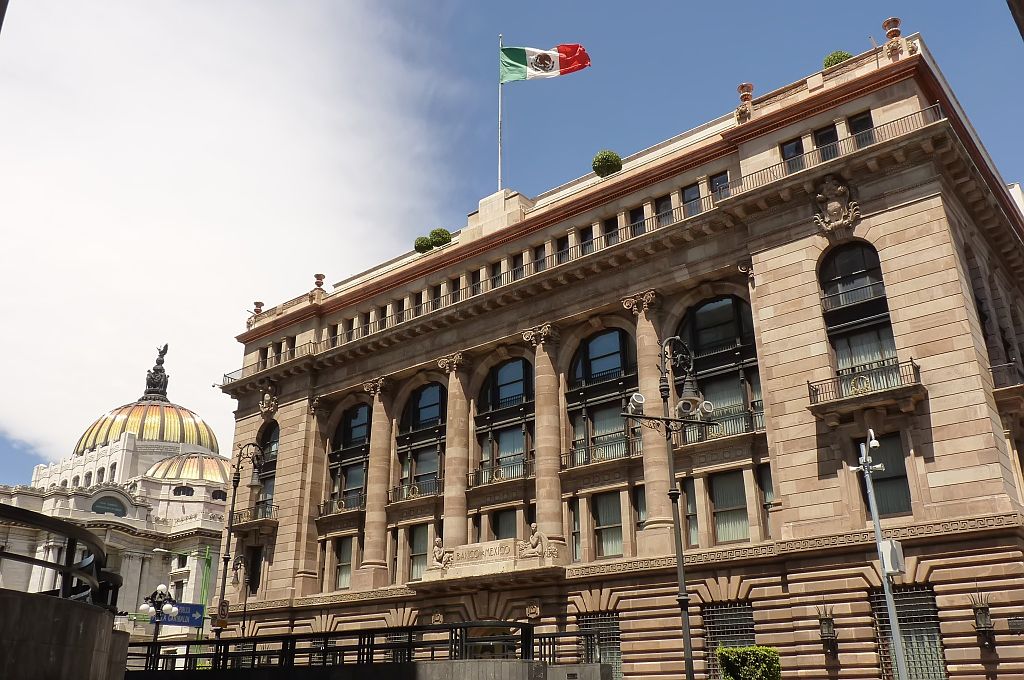
The central bank of Mexico is expected to raise its benchmark interest rate further in the near term, especially in the context of a tightening move by the United States Federal Reserve. The central bank has increased interest rates by 325 basis points since late 2015, with the policy rate currently at 6.25 percent. This highlights the authorities’ proactive response to increased inflationary pressures and their attempt to better anchor inflation expectations, Fitch Ratings reported.
Fitch has lowered its growth forecasts to 1.5 percent for 2017 and 2.1 percent for 2018, with risks skewed to the downside. The downward adjustment reflects continued economic uncertainty stemming from the negative spillovers for Mexico from possibly increased protectionist US policies. The new US administration has not clarified its approach to many issues that will affect trade, workers’ remittances, and financial flows between the US and Mexico.
It has confirmed its intention to renegotiate the North American Free Trade Agreement (NAFTA). But other statements made during the campaign period, such as taxing or blocking remittances, have been less prominent since the election. Tightening migration controls could increase deportation of undocumented immigrants and affect remittances flows, which in turn could affect consumption. Domestic demand will be weighed down by both consumption and investment.
Higher inflation, constrained credit growth and reduced consumer confidence will conspire against consumption growth. Uncertainty over the possible changes in the US stance over trade and migration policies towards Mexico could negatively affect domestic and foreign investment.







