


 US Officials Meet Houthis in Oman Amid Yemen Offensive
  DOJ Will Investigate AI-Related Crimes, Attorney General Blanche Says
  Google Changes EU Spam Policy Amid Antitrust Scrutiny
  US Bans Canadian Alcohol, Motorcycles as Trade War Escalates
  US Confirms Weapons in Orbit as Space Tensions Rise
  Vietnam, U.S. Firms Plan 29 Deals Across Energy, Tech and Aviation
  Nvidia-Groq AI Chip Deal Faces U.S. Antitrust Probe
  US-China Experts Push AI Nuclear Safeguards to Prevent Military Escalation
  SEC Probes Banks Over Situational Awareness Hedge Fund Collapse
  Banking scandal rocks Brazil’s politics and the country’s presidential election in October
  Australia Tightens Student Visa Rules, Targets Migration Cut by 2028
  Texas Republicans Turn Against AI Data Centers as Election Backlash Grows
  Judge Blocks Trump Rule Limiting Foreign Student Visas
  North Korea Vows to Expand Nuclear Arsenal Amid U.S.-Led Military Buildup
  Japan, U.S. Discuss $19 Billion GlobalFoundries Chip Plant
  US Judge Dismisses Imran Ahmed Deportation Lawsuit
  Rodrigo Duterte Makes First Public Appearance at ICC in 18 Months


 Add as a preferred source on Google
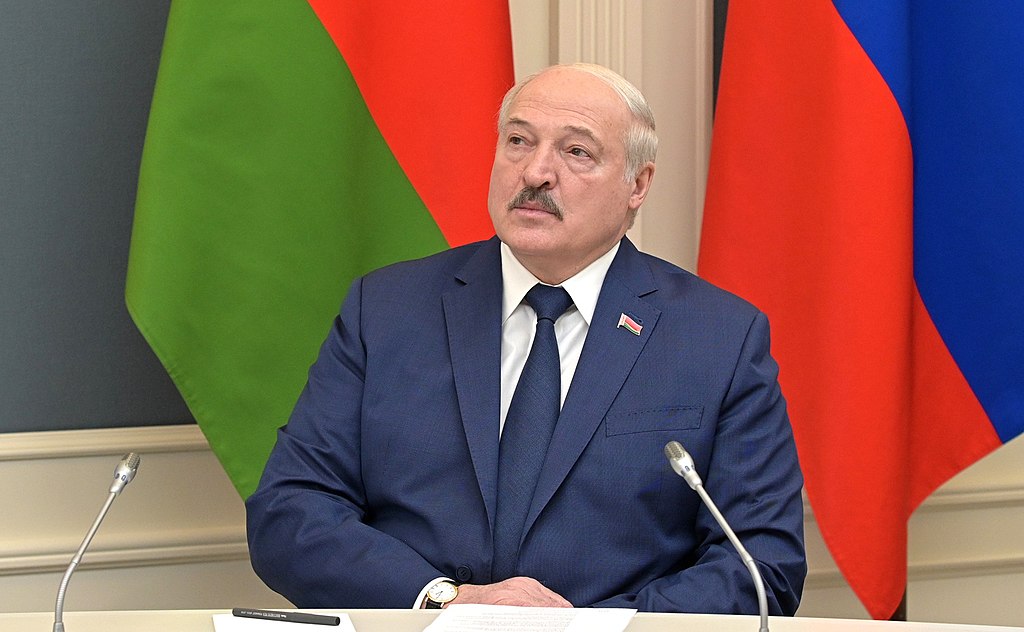
Belarusian President Alexander Lukashenko has released 123 prisoners, including Nobel Peace Prize laureate Ales Bialiatski and prominent opposition leader Maria Kalesnikava, in a major political breakthrough tied to negotiations with the United States. The move came as part of a deal brokered by an envoy of U.S. President Donald Trump, under which Washington agreed to lift sanctions on Belarusian potash exports, a vital sector for the country’s economy and a key component in global fertiliser production.
The mass release marks the largest single freeing of political detainees by Lukashenko since the Trump administration began diplomatic talks with Minsk earlier this year. Belarus, a close ally of Russian President Vladimir Putin, had long been isolated by Western governments due to its violent crackdown on dissent following the disputed 2020 election and its support for Russia’s invasion of Ukraine.
Trump’s envoy, John Coale, told Reuters that negotiations could lead to the release of up to 1,000 remaining political prisoners in the coming months, potentially in one large group. He said that if Belarus were to free all political detainees, most remaining U.S. sanctions could be lifted, calling the arrangement a “fair trade.”
According to officials, nine of the freed prisoners traveled to Lithuania, while 114 were taken to Ukraine. Bialiatski, co-winner of the 2022 Nobel Peace Prize for his long-standing human rights work, appeared visibly aged but relieved as he arrived in Lithuania and reunited with exiled opposition leader Sviatlana Tsikhanouskaya. Speaking to Reuters, he said the broader human rights struggle in Belarus would continue, noting that many people remain imprisoned.
Maria Kalesnikava, a central figure in the 2020 mass protests against Lukashenko, described the moment of freedom as overwhelming joy after years in detention. She was reunited with fellow opposition figures in Ukraine, though some relatives of political prisoners remain behind bars.
U.S. officials say the outreach to Lukashenko is partly aimed at reducing Belarus’s dependence on Moscow. While the exiled Belarusian opposition has welcomed the prisoner releases and credited sanctions for forcing concessions, it continues to urge the European Union to maintain pressure for democratic reforms, accountability, and an end to Belarus’s role in the war in Ukraine.







