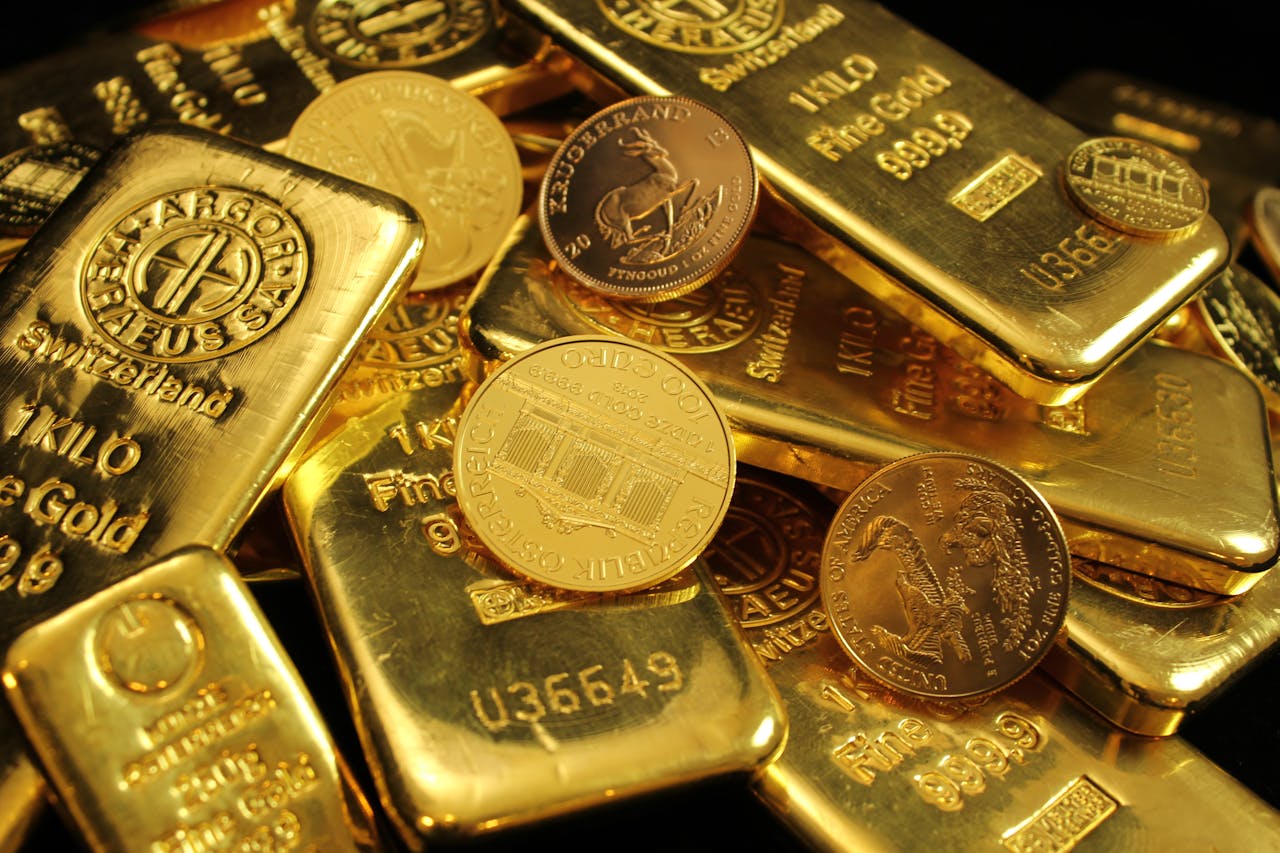
Gold prices edged slightly lower in Asian trading on Friday after posting strong gains earlier in the week, as dovish signals from the U.S. Federal Reserve continued to support precious metals markets. Despite the minor pullback, gold prices were still on track for solid weekly gains, driven by expectations of lower U.S. interest rates and a weaker dollar, both of which tend to boost demand for non-yielding assets like gold and silver.
Spot gold slipped 0.1% to around $4,274 per ounce, while March gold futures declined 0.2% to about $4,306 per ounce in early Asian hours. Even with this dip, spot gold was still up roughly 1.8% for the week, with most of the gains coming after the Federal Reserve announced an interest rate cut and signaled a less hawkish stance on future monetary policy. Although Fed Chair Jerome Powell emphasized a higher threshold for additional rate cuts, markets reacted positively to the central bank’s plan to begin purchasing $40 billion per month in shorter-dated U.S. Treasuries. This move is expected to inject liquidity into financial markets, loosen monetary conditions, and support commodities priced in dollars.
The softer U.S. dollar further enhanced the appeal of gold and other metals, as dollar-denominated commodities become cheaper for overseas buyers. Other precious metals also benefited from this environment. Spot platinum traded slightly higher near $1,703 per ounce and was up nearly 4% for the week. Industrial metals followed suit, with London Metal Exchange copper futures rising modestly to around $11,878 per ton, marking a weekly gain of about 2%. Additional optimism came from expectations of further economic stimulus in China, the world’s largest copper importer.
Silver stood out as the top performer, hovering near record highs. Spot silver climbed 0.4% to roughly $63.78 per ounce, close to its recent peak above $64. Silver prices were up more than 9% for the week and have more than doubled this year, supported by safe-haven demand, supply shortage concerns projected for 2026, and its designation as a critical metal by the U.S. government.