


 Global Stocks Mixed as Oil Falls Ahead of US Earnings
  Samsung, SK Hynix Shares Plunge as China Chip Competition Grows
  Oil Prices Surge Above $106 After Deadly Saudi Airport Attack
  IMF Maintains 2027 Global Growth Forecast at 3.4% Amid Rising Risks
  TSMC Profit Set to Surge 65% as AI Chip Demand Drives Record Earnings
  Binance to Shut Down Crypto Mining Pool Services on November 10
  US Stock Futures Rise as Oil Prices Fall Ahead of Q3 Earnings
  Canton Network Expands in South Korea With Major Partnerships
  Apple Supplier Luxshare Faces US Patent Probe, Sees Limited Impact
  Asian Currencies Steady as Dollar Nears 18-Month High Ahead of US CPI
  Oil Prices Fall as Russia Signals Higher Diesel Exports
  Epic Games Delays Disney Shooter, Shifts to AI-First Development
  Meta Launches Muse Wonder AI Models, Shares Rise 3.7%
  Arthur Hayes Announces FLOP Testnet Launch Within Weeks
  Wall Street Ends Mixed as Investors Await CPI and Bank Earnings
  Morgan Stanley Predicts $10 Trillion RWA Market by 2030
  Albertsons Seeks $9.3 Billion From Kroger Over Failed Merger


 Add as a preferred source on Google
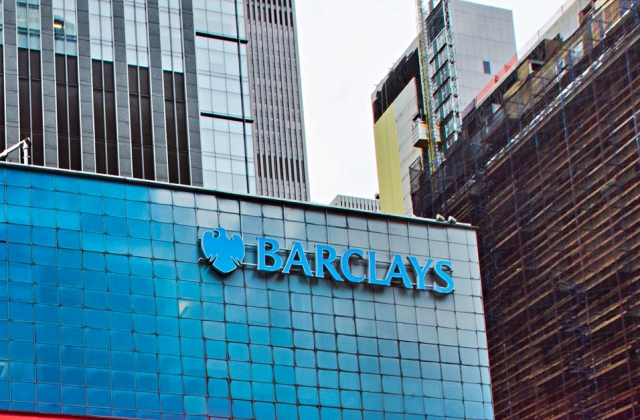
Barclays, a British universal bank headquartered in London, England, purchased Gap's credit card portfolio in the United States. The acquisition deal is reportedly worth $3.8 billion.
The American unit of Barclays Bank revealed late last week that it will be purchasing a credit card portfolio from Synchrony Bank, and this is part of its strategy to grow its profits in the U.S. and further expand to other fee-earning ventures.
According to Fox Business, the credit card accounts and receivables are co-branded and issued in collaboration with The Gap Inc., an American retail clothing company. The agreement between the two companies is expected to be completed within the second quarter of the year 2022.
It was reported that the purchase was based on an agreement that was made in April where Barclays and Gap stated they will issue co-branded credit cards to the latter’s customers next year. Barclays is financing the purchase from its existing resources and is estimated to lessen the bank's core capital ratio by 20 points.
Once the deal is completed, Barclays will become Gap’s exclusive issuer for its co-branded and private label credit card program in the U.S. It was added that Gap and Barclays will be issuing the credit cards under the Mastercard payment network.
“This new partnership brings together long-term leaders and innovators in retail, banking, and payments,” Gap said in a press release in April. “Through these partnerships, Gap Inc.’s iconic brands will continue to offer a suite of industry-leading credit card products, anchored in a digital and physical shopping experience, as part of a reimagined rewards program.”
Reuters noted that this is a strategic partnership between the firms and the latest collaboration agreement of the UK-based bank with a major American brand. Prior to the deal with Gap, it has teamed up with Wyndham Hotels, American Airlines, and JetBlue in recent years.
Barclays is engaging in co-branding deals with established companies to attract more customers and be able to catch up with its rivals that include Citibank and JPMorgan. It is also banking on its partnerships with travel and leisure brands to further push its credit cards and obtain a bigger share in the market.







