grow the economy.”
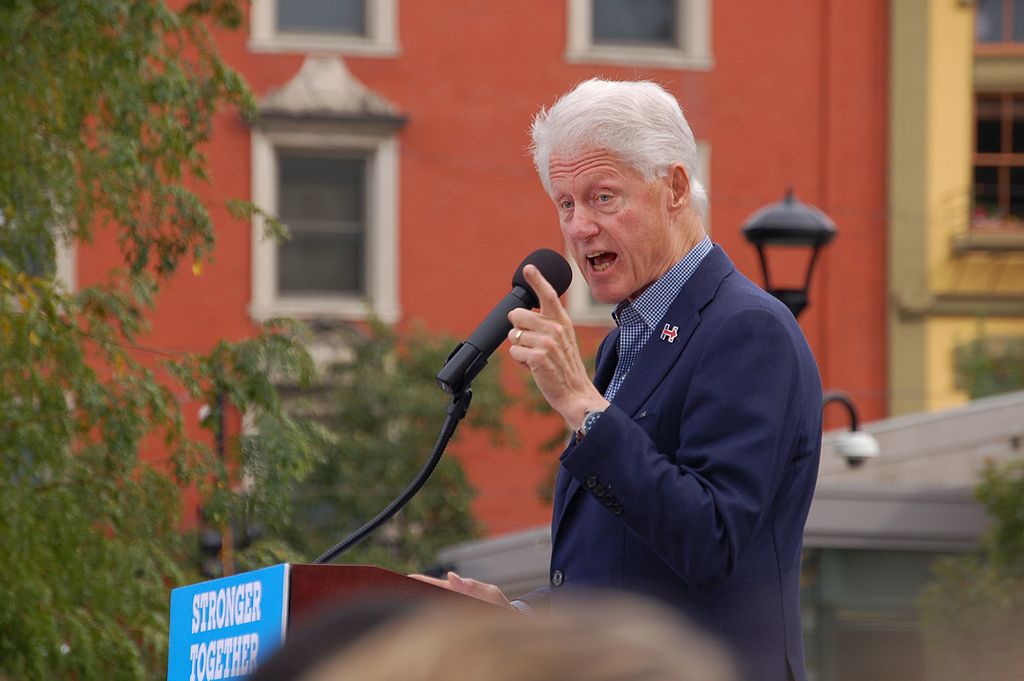
His comments, made during a public discussion, quickly went viral, sparking a heated debate over immigration policy and the future of the American workforce. While some applauded Clinton for addressing the economic need for immigration, others were less forgiving, interpreting his remarks as an endorsement of a highly divisive theory.
Critics were quick to pounce on the former president’s words, pointing to what they saw as a veiled endorsement of the so-called "replacement theory," a conspiracy theory that claims governments are intentionally increasing immigration to "replace" the native population.
"Bill Clinton just said the quiet part out loud. This is straight-up replacement theory, and it’s dangerous rhetoric," one commentator posted on social media. Others echoed similar sentiments, expressing concerns about the underlying message in Clinton’s remarks.
However, supporters of Clinton’s view argued that his comments were grounded in economic reality. With the U.S. birthrate at historic lows, they noted, the need for a growing workforce has become more urgent than ever.
"We need immigrants to support our economy, especially with an aging population and a declining birthrate. Clinton is simply stating the obvious," one defender tweeted.
The U.S. Census Bureau has reported a steady decline in the national birthrate, with the country falling below "replacement level" for several years. This demographic shift has led to concerns about the future of the workforce and the sustainability of programs like Social Security, which rely on a growing base of workers to support an aging population.
In response to the backlash, some analysts noted that Clinton’s comments align with broader economic concerns regarding labor shortages in key sectors, including healthcare, agriculture, and technology.
Still, the political fallout from his remarks was swift, with opponents seizing on the controversy to fuel debates over immigration policy.
While Clinton has long been a proponent of immigration reform, his recent comments have resurfaced questions about the balance between economic necessity and national identity, a debate that continues to polarize the country.
As the former president faces criticism, the broader conversation surrounding immigration and its role in the U.S. economy remains a flashpoint for policymakers and the public alike. Whether Clinton’s remarks will influence future discussions on immigration policy remains to be seen, but one thing is clear—his comments have reignited a divisive national debate.
The former president's blunt statement has left many questioning where the line is drawn between addressing economic needs and fostering unity in an increasingly diverse nation.