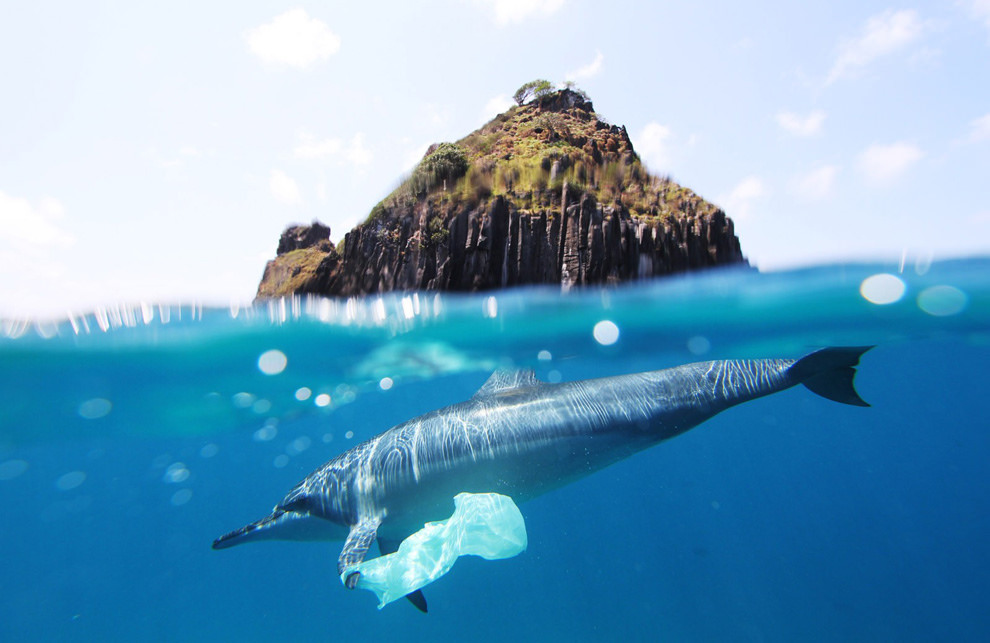
Research shows that 8 million metric tons of plastic end up in the ocean each year, with that number expected to grow tenfold in the next 10 years. For this reason, a Vancouver-based company has started a blockchain-based plastic waste-reduction initiative to mitigate this global plastic problem, Crypto Vest reported.
One of the companies involved in this blockchain-based initiative is the Plastic Bank startup. Collaborating with IBM, the two companies created a system that rewards people for collecting plastic.
The aim of this project is not only to prevent plastic waste from going to the ocean but to tackle and eliminate the plastic problem altogether. The startup’s co-founder, Shaun Frankson, said that they plan to be the “Airbnb of recycling.”
He added that they designed this blockchain-based initiative to exponentially scale while mitigating the possibility of succeeding to a point that it crashes the whole platform. One of the things that they considered deeply was the security measure integrated into the system.
“Security is extremely important because a lot of people’s livelihoods depend on it,” Frankson said. “We expect to serve 20 to 30 different countries—all with independent ecosystems of people and stores.”
The co-founder estimates that people can make $5 to $7 a day collecting plastic. The reward will be sent through a digital wallet where people can then use to purchase everyday necessities. Those who do not have a bank account stand to benefit the most from this form of reward system.
The plastic bank is currently operating in Brazil, Haiti, and the Philippines, with plans to expand its reach to Indonesia by the end of the year. Data is clear that 80 percent of plastic waste originates from developing countries that have poor garbage management and infrastructure, that is why the company is focusing its efforts on these areas.
Future plans for the blockchain-based plastic waste-reduction initiative includes the integration of analytics capabilities into its app and visual recognition technology. The former is to help stores better manage their business and plastic contribution, while the latter is aimed at identifying high-value plastics and reward people more for collecting them.