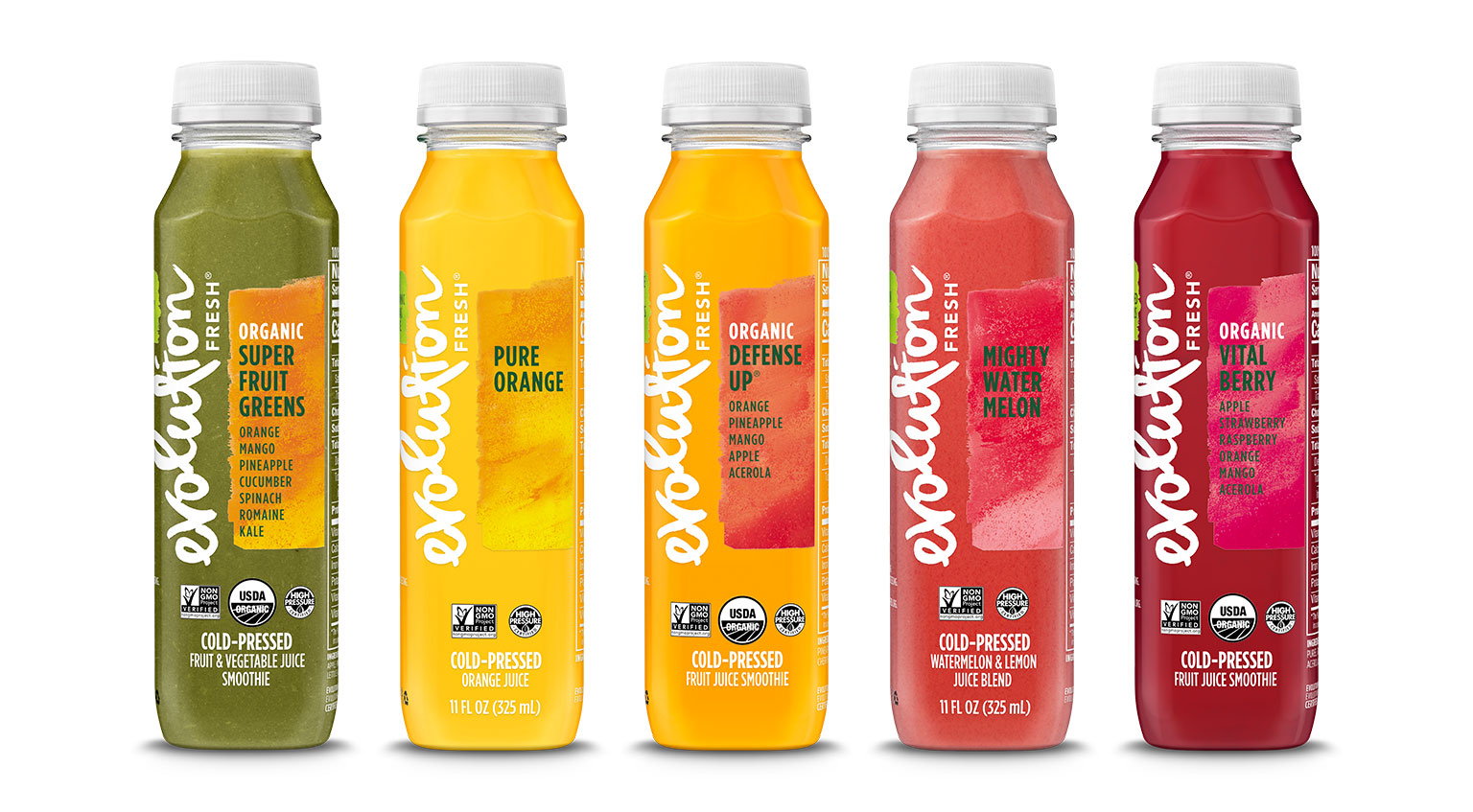
Bolthouse Farms will buy Starbucks’ Evolution Fresh line of fresh juices and sell it in more retail outlets.
The deal, which is anticipated to conclude later this year, will keep the brand's 300 staff employed. Terms were not disclosed.
Starbucks paid $30 million for Evolution in 2011. Its goods are available at Starbucks and Whole Foods. Bolthouse will add Evolution to its existing range of fruit, vegetable, and protein juices and will strive to expand its distribution to additional stores.
Bolthouse CEO Jeff Dunn noted that people are aware of the brand, but they don't see it in a lot of other places save Starbucks or maybe Whole Foods,
Dunn vowed to broaden the brand and reach a far larger audience.


Why have so few atrocities ever been recognised as genocide?
Why a ‘rip-off’ degree might be worth the money after all – research study
Britain has almost 1 million young people not in work or education – here’s what evidence shows can change that
Oil Prices Slide on US-Iran Talks, Dollar Strength and Profit-Taking Pressure
Alphabet’s Massive AI Spending Surge Signals Confidence in Google’s Growth Engine
Baidu Approves $5 Billion Share Buyback and Plans First-Ever Dividend in 2026
Yes, government influences wages – but not just in the way you might think
Trump Lifts 25% Tariff on Indian Goods in Strategic U.S.–India Trade and Energy Deal
6 simple questions to tell if a ‘finfluencer’ is more flash than cash
Every generation thinks they had it the toughest, but for Gen Z, they’re probably right
Japan Economy Poised for Q4 2025 Growth as Investment and Consumption Hold Firm
Office design isn’t keeping up with post-COVID work styles - here’s what workers really want
Why financial hardship is more likely if you’re disabled or sick
Gold and Silver Prices Slide as Dollar Strength and Easing Tensions Weigh on Metals
U.S.-India Trade Framework Signals Major Shift in Tariffs, Energy, and Supply Chains
Amazon Stock Rebounds After Earnings as $200B Capex Plan Sparks AI Spending Debate
Dollar Steadies Ahead of ECB and BoE Decisions as Markets Turn Risk-Off 


