


 US Recalls Nicaragua Envoy After Ambassador Rejection
  US Justice Department Drops Prosecution of Ex-CIA Analyst Sue Mi Terry
  Trump Denies Russia and China Are Helping Iran in U.S. Conflict
  Trump Warns Houthis Over Attacks, Considers Erdogan Intervention
  Elon Musk Donates $366 Million to 2026 US Midterms
  Trump Denies China, Russia Are Helping Iran in War
  SpaceX Starlink Restrictions Disrupt Ukraine Military Operations
  Zelenskiy Seeks New US Talks to Revive Ukraine-Russia Peace Negotiations
  MI5 Warns of Rising Iran, Russia Threats and AI Bioweapon Risks
  IMF Warns US Debt Crisis Needs Fiscal Action, Urges China to Boost Consumption
  Zelenskiy Says Ukraine Received No Warning Before Russian Missile Attack
  Kim Jong Un Showcases ICBM Ahead of Possible Trump Meeting
  US Senate Midterms 2026: Key Races That Could Flip Control
  UN Urges Talks on Lebanon Peacekeeping Mission Extension
  FBI Denies Report of Kash Patel’s Russia Visit
  Netanyahu Rejects Preemptive Iran Strike Ahead of Israel Election
  US Condemns China Sanctions on Taiwan Allies Belize and Paraguay


 Add as a preferred source on Google
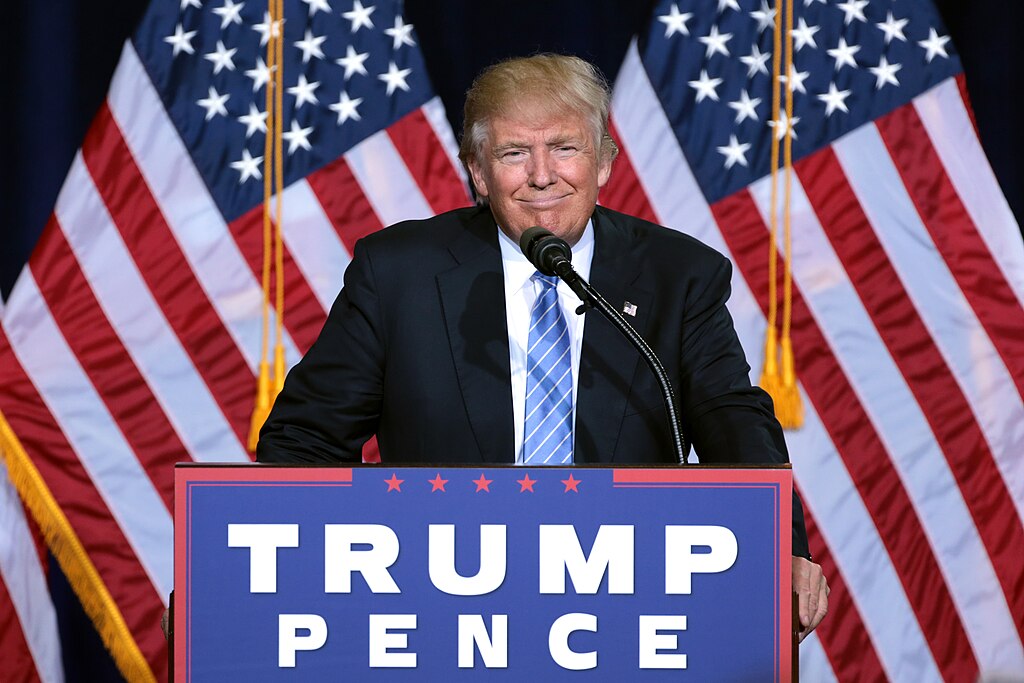
President-elect Donald Trump’s proposed mass deportation plan has drawn mixed reactions from Texas border sheriffs, who say they lack the necessary resources to enforce the sweeping immigration policies. During his campaign, Trump suggested that local law enforcement could play a more active role in rounding up undocumented immigrants and securing the U.S.-Mexico border. However, many sheriffs caution that without significant federal support, the burden on local agencies would be unsustainable.
Sheriff Thaddeus Cleveland of Terrell County, Texas, emphasized the complexity of the situation, highlighting the unique challenges faced by rural border communities. "You can't just be a local or state law enforcement officer and not encounter border security issues," Cleveland told Newsweek on Tuesday.
Increasing Border Activity Strains Local Resources
Terrell County, a sparsely populated region with roughly 600 miles of border, has seen a dramatic surge in migrant arrests over the past four years. According to Cleveland, annual arrests skyrocketed from about 1,200 before 2021 to more than 5,000. Tragically, the county has also recorded 42 migrant deaths over the same period, compared to an annual average of one in previous years.
Cleveland noted that his department spends approximately 75% of its time on border security, often partnering with federal agencies like U.S. Customs and Border Protection. "We allow them to stay out in the brush while we patrol the roadways," he explained, underscoring the collaborative but resource-intensive nature of border enforcement.
While Cleveland expressed a willingness to support Immigration and Customs Enforcement (ICE) in detaining migrants accused of crimes, other sheriffs are less enthusiastic. Val Verde County Sheriff Joe Frank Martinez told NOTUS that his priority remains serving local citizens, not enforcing federal immigration policies. "At the end of the day, that is ICE's and Border Patrol's responsibility," Martinez stated.
Calls for Federal Support Amid Potential Deportation Surge
Law enforcement officials across Texas warn that Trump’s deportation plan could overwhelm local agencies already stretched thin. Sergeant Jose Duran of the Eagle Pass Police Department described how his team often functions as de facto Border Patrol agents due to the volume of immigration-related calls. “We are outnumbered big time,” Duran said, emphasizing the urgent need for additional resources.
Under the 287(g) program, ICE can authorize local law enforcement to perform specific immigration enforcement duties. However, sheriffs argue that increased detainee numbers would place immense pressure on rural jails, many of which lack the capacity to handle large-scale deportations.
Cleveland also expressed frustration over past failures to implement meaningful border reforms. "Under Trump’s first presidency, we had the House and the Senate for two years, and nothing happened," he said. Despite his concerns, Cleveland believes Trump’s hardline stance could serve as a deterrent to illegal immigration, provided it is coupled with effective congressional action.
Public Reaction and Divided Opinions
The debate over Trump’s immigration policies has ignited strong reactions on social media:
- @BorderTruthTX: "Trump’s plan is ambitious but unrealistic without more funding for border sheriffs and local law enforcement."
- @PatriotFirst2024: "Finally, a president who takes illegal immigration seriously! Local sheriffs need to step up and help."
- @JusticeNow77: "These sheriffs are right—Trump can’t just dump this on small towns without giving them resources."
- @TexanLawman: "It’s ICE’s job, not ours. Rural jails can’t handle this load."
- @SecureTheBorder: "If Congress doesn’t act, it won’t matter what Trump does. Real reform is long overdue."
- @HumanRightsTX: "Mass deportations will only lead to more chaos and suffering at the border. We need compassion, not cruelty."
Future of Immigration Reform
As Trump prepares to assume office, border sheriffs like Cleveland remain hopeful that Congress will finally address the systemic challenges of immigration enforcement. However, the administration’s ability to balance mass deportation efforts with local law enforcement needs will be a critical test of its strategy.







