


 Iran Plans New Gulf Restricted Zone as Hormuz Tensions Push Oil Higher
  Trump Orders Major Overhaul of US Navy Shipbuilding
  Sara Duterte Posts Bail Over Grave Threats Case
  AfD Eyes Historic Win in Saxony-Anhalt Election
  U.S. Issues Cuba Health Alert as Illnesses Rise
  Trump Targets 1,000 U.S. Space Launches Annually by 2030
  Russia Eyes Putin-Trump-Xi Trilateral Meeting at China APEC Summit
  Japan, U.S. Stay Aligned on Yen as Currency Surges
  New Zealand Moves to Ban Social Media for Children Under 16
  Iran Vows Tougher Response as U.S. Sanctions Squeeze Economy
  Netanyahu Orders West Bank Settler Outposts Dismantled
  European Stocks Flat as Iran Tensions, ECB Rate Hike Loom
  Merz Rejects AfD Alliance After Saxony-Anhalt Surge
  Hungary Industrial Output Beats Forecasts With 4.7% July Growth
  South Korea GDP Surges on Chip and AI Boom
  Israeli Strikes Kill Four in Gaza, Including Two Children


 Add as a preferred source on Google
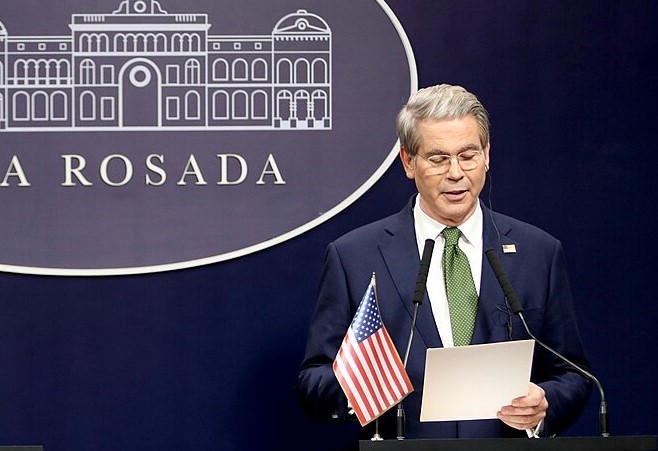
The United States may lift additional sanctions on Venezuela as early as next week to facilitate oil sales and economic stabilization, according to comments by U.S. Treasury Secretary Scott Bessent in an interview with Reuters. The move is part of the Trump administration’s broader strategy to revive Venezuela’s economy, stabilize the country, and encourage the return of U.S. oil producers following the recent arrest of Venezuelan leader Nicolas Maduro on drug trafficking charges.
Bessent said the Treasury Department is actively reviewing sanctions related to Venezuelan oil, particularly those affecting crude stored on ships. The goal is to allow oil sale proceeds to be repatriated back to Venezuela to fund government operations, security services, and public needs. While Bessent did not specify which sanctions could be lifted, he emphasized that changes could come quickly.
A major focus of the U.S. effort is unlocking Venezuela’s frozen International Monetary Fund Special Drawing Rights. Venezuela holds roughly 3.59 billion SDRs, valued at nearly $5 billion, which it has been unable to access due to sanctions. Bessent said the U.S. Treasury would be willing to convert these SDRs into U.S. dollars to help rebuild Venezuela’s economy. He is also scheduled to meet next week with the heads of the IMF and World Bank to discuss their potential re-engagement with the country.
U.S. sanctions have long prevented international banks and creditors from dealing with Venezuela, complicating a widely anticipated $150 billion debt restructuring seen as critical for attracting private investment. To protect future revenues, President Donald Trump signed an executive order blocking courts or creditors from seizing Venezuelan oil revenue held in U.S. Treasury accounts.
Bessent expressed confidence that smaller private oil companies would move rapidly back into Venezuela, while Chevron is expected to expand its long-standing presence. He also suggested the U.S. Export-Import Bank could help guarantee financing for Venezuela’s oil sector, potentially accelerating recovery and foreign investment.







