


 U.S. Imposes New Visa Restrictions Over South Africa Policies
  Who should own the knowledge that underpins AI technology?
  Trump Hopes Iran War Nears End as Yemen Fighting Escalates
  Australia Defends Social Media Algorithm Law Amid US Concerns
  SEC Seeks ISS Client Voting Records in Proxy Adviser Probe
  Trump Eyes End to Iran War, Plans Gulf Leaders Meeting
  Rodrigo Duterte Makes First Public Appearance at ICC in 18 Months
  Saudi Arabia Shuts East-West Oil Pipeline After Drone Attack
  France Urges Faster AI Push Despite Safety Risks
  Judge Blocks Trump Rule Limiting Foreign Student Visas
  Trump Threatens EU Tariffs Over Canada Membership Proposal
  Brazil Warns EU of Retaliation Over Animal Products Ban
  US Confirms Weapons in Orbit as Space Tensions Rise
  Paris Talks Focus on Lebanon Army Needs as UNIFIL Exit Looms
  New Zealand Labour Backs Social Media Ban for Under-16s
  Countries Tighten Social Media Bans for Children
  Google Changes EU Spam Policy Amid Antitrust Scrutiny


 Add as a preferred source on Google
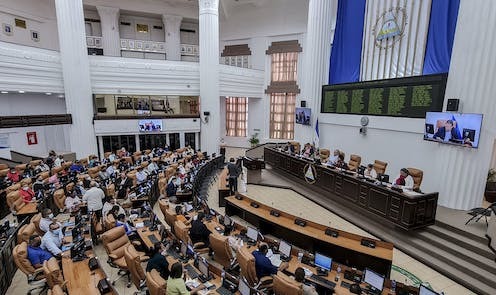
Nicaragua’s government announced the release of dozens of inmates from its national penitentiary system, a move that came just one day after the United States publicly demanded the freedom of more than 60 political prisoners still held in the country. The decision highlights increasing diplomatic pressure on left-wing governments in Latin America, particularly as similar developments unfold in Venezuela under U.S. scrutiny.
In an official statement, the administration of President Daniel Ortega confirmed that inmates had been freed but did not specify how many people were released or whether their detentions were politically motivated. Authorities also did not clarify whether those freed would face conditions such as house arrest or other restrictions, leaving uncertainty about their full freedom.
A human rights organization monitoring political detentions in Nicaragua reported that at least 19 individuals were released on Saturday. Opposition figures quickly responded, asserting that those freed were indeed political prisoners. Ana Margarita Vijil, a prominent opposition leader, former detainee, and head of the UNAMOS political movement, told Reuters that several of the released individuals were well-known activists and allies of the opposition. She cited former mayor Oscar Gadea and evangelical pastor Rudy Palacios among those freed, along with four of Palacios’ relatives.
Palacios was arrested in July after publicly criticizing the Ortega government for alleged human rights violations and for supporting the 2018 anti-government protests. Those demonstrations, which called for Ortega’s removal from power, were met with a violent crackdown that left at least 350 people dead and hundreds more detained. Ortega and his wife, Vice President Rosario Murillo, maintain tight control over Nicaragua’s political system, including the judiciary and security forces.
The U.S. Embassy in Nicaragua recently praised Venezuela for releasing opposition figures and urged Managua to follow suit, noting that dozens of detainees, including religious leaders, elderly citizens, and the ill, remain unjustly imprisoned or missing. Opposition coalition Liberales Nicaragua welcomed the releases, attributing them to mounting U.S. political pressure and shifting regional dynamics following recent events in Venezuela.
The prisoner releases signal a potential shift but leave open questions about Nicaragua’s broader human rights situation and future relations with the United States.







