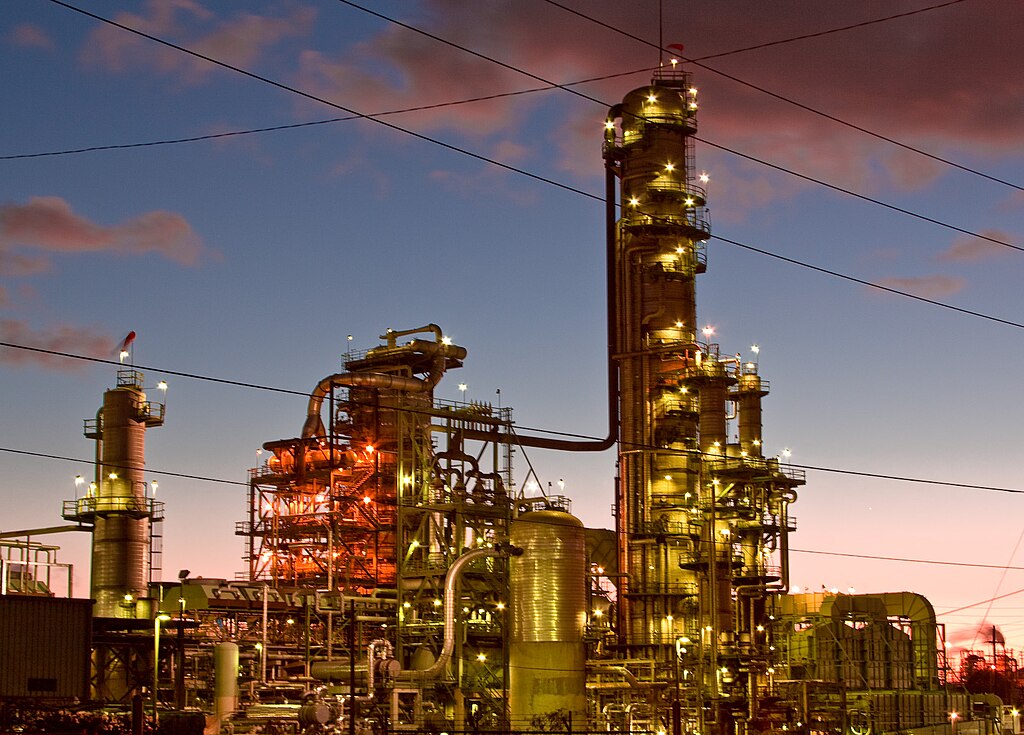
U.S. Energy Secretary Chris Wright said Friday that Chevron has identified a clear pathway to significantly expand its oil production in Venezuela, potentially increasing output by 50% over the next 18 to 24 months. His comments followed high-level discussions between President Donald Trump and executives from major global oil companies focused on Venezuela’s energy sector and future U.S. involvement in the country.
According to Wright, Chevron indicated that recent U.S. policy actions, combined with additional permissions and regulatory approvals, could unlock substantial growth in Venezuelan oil production. He emphasized that the changes required are largely administrative, noting that approvals and authorizations could enable Chevron to scale operations despite long-standing restrictions tied to sanctions and geopolitical tensions. The comments have drawn attention to the evolving U.S. approach toward Venezuela’s vast oil reserves and the role of American energy companies in the region.
Wright also described Washington’s recent interactions with Venezuela as “fantastic,” remarks that came after a dramatic U.S. military operation last weekend in which former Venezuelan leader Nicolas Maduro was seized and transported to New York. The operation has sparked intense international debate and criticism, particularly from the United Nations human rights office, which said the U.S. action violated international law and increased global instability.
President Trump met with leaders from some of the world’s largest oil companies at the White House on Friday to discuss Venezuela’s future and potential investment opportunities. When asked whether the administration received firm commitments from the companies, Wright said there was “tremendous interest,” suggesting strong industry appetite for expanded access to Venezuelan oil production.
Trump has stated that the United States intends to maintain oversight of Venezuela for far longer than a year. Administration officials have openly discussed plans to control the country’s oil sales and revenues on an ongoing basis, arguing that such oversight would ensure Venezuela acts in line with U.S. strategic interests. However, U.S. rivals and several Latin American nations have criticized the actions as unilateral, illegal, and coercive, highlighting the growing controversy surrounding U.S. policy in South America.
As Chevron’s potential production growth becomes a focal point, the situation underscores how energy security, geopolitics, and corporate interests are increasingly intertwined in Venezuela’s future.