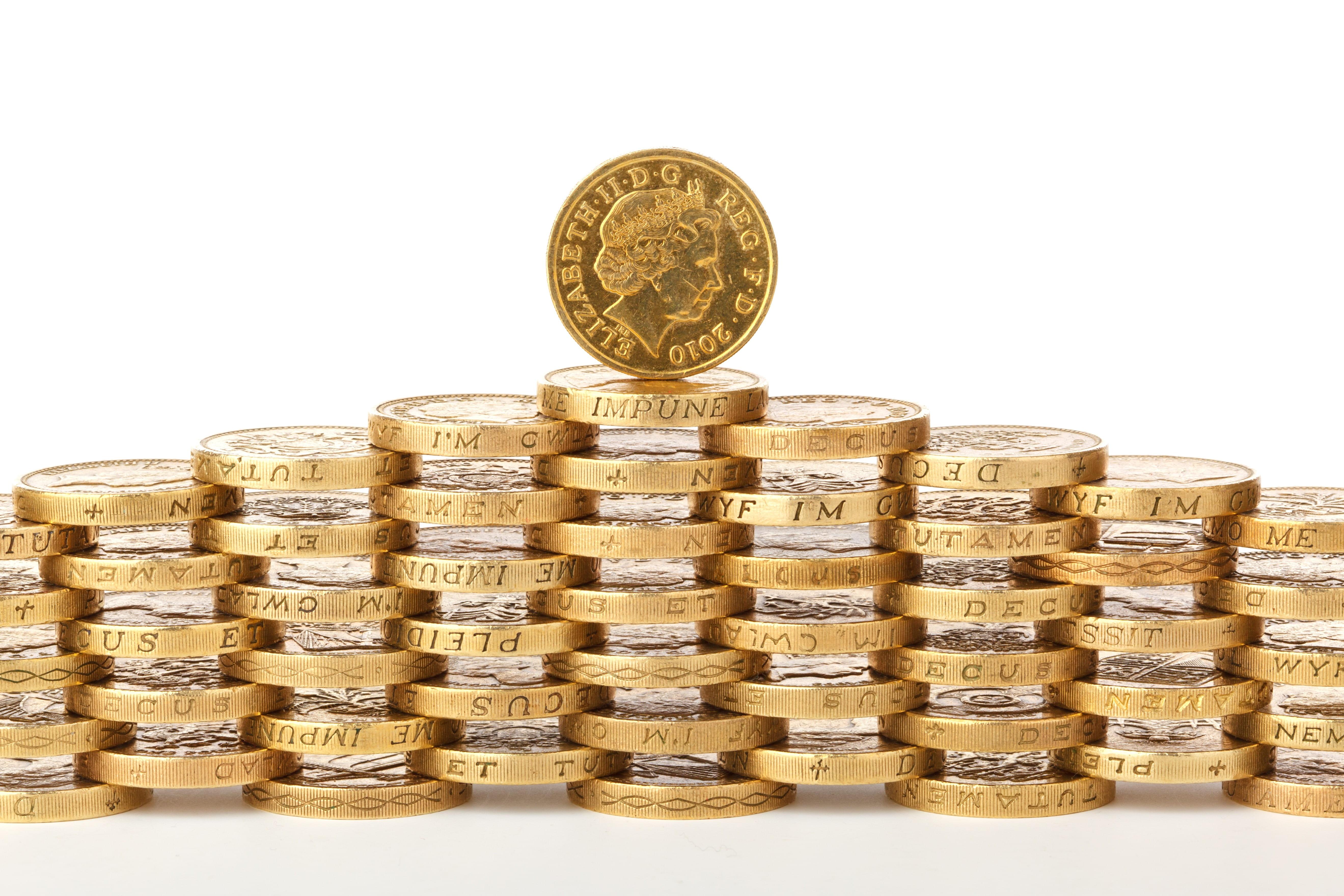
A record amount of cash ISA savings were withdrawn in the latter half of last year, according to recent Bank of England data. More than £7 billion was moved out of cash ISA accounts, indicating that many feel the tax wrapper benefits of a cash ISA are currently heavily outweighed by rising inflation.
Average rates of interest for cash ISAs between February 2021 and February 2022 weighed in at 0.51%, which is down on the typical interest rate offered on ‘easy access’ cash ISAs back in 2017 (0.65%).
When it comes to comparing ISAs for investing, the primary benefits of a cash ISA are tax-free gains on savings interest and the protection of investors’ capital. However, the undeniable drawback has long been the threat of escalating inflation, which has significantly outpaced interest rates of late. Yet despite the recent issues with cash ISAs, recent HM Revenue and Customs (HMRC) data shows that 75% of Brits with adult ISA accounts opt for cash ISA products instead of stocks and shares ISAs.
The inherent risk of losing money in a stocks and shares ISA is what may deter many savers from dipping into the stock market. With a stocks and shares ISA, investments can go up and down in value, but it’s possible to find managed stocks and shares ISAs with investment portfolios created and overseen by professionals to negate those risks.
Can you transfer a cash ISA into a stocks and shares ISA?
With inflation creeping up to a 30-year high this quarter, now is a good time for Britons to reassess their investment options, particularly those with cash ISAs. It is possible to transfer funds housed in a cash ISA to a stocks and shares ISA with the same or different provider. The key is to ensure the funds are transferred rather than sold and reinvested to your new stocks and shares ISA. If the latter occurs, you will lose any future tax wrapper benefits.

Source: Piqsels
If you are thinking of transferring funds to a stocks and shares ISA, you’ll need to liaise with your chosen provider first. Although all ISA providers are duty-bound to allow transfers out of one account to another, they are not obliged to allow transfers into a new account.
If you are fortunate enough to transfer the funds into a stocks and shares ISA, you’ll be able to take full advantage of the account’s tax benefits. 100% of income derived from interest, dividends and rental income within a stocks and shares ISA is tax-free.
Furthermore, if you are transferring a cash ISA that’s been solely paid into during the existing tax year, you will have to transfer the entire balance in full. Long-standing cash ISAs that go back several years give you the flexibility to select how much you wish to transfer out to a new stocks and shares ISA.
Prospective investors into stocks and shares ISAs should also be mindful of the Financial Services Compensation Scheme (FSCS) cover that their chosen provider. This provides protection for up to £85,000, guaranteeing your funds even in the event of your fund provider closing.
This article does not necessarily reflect the opinions of the editors or management of EconoTimes