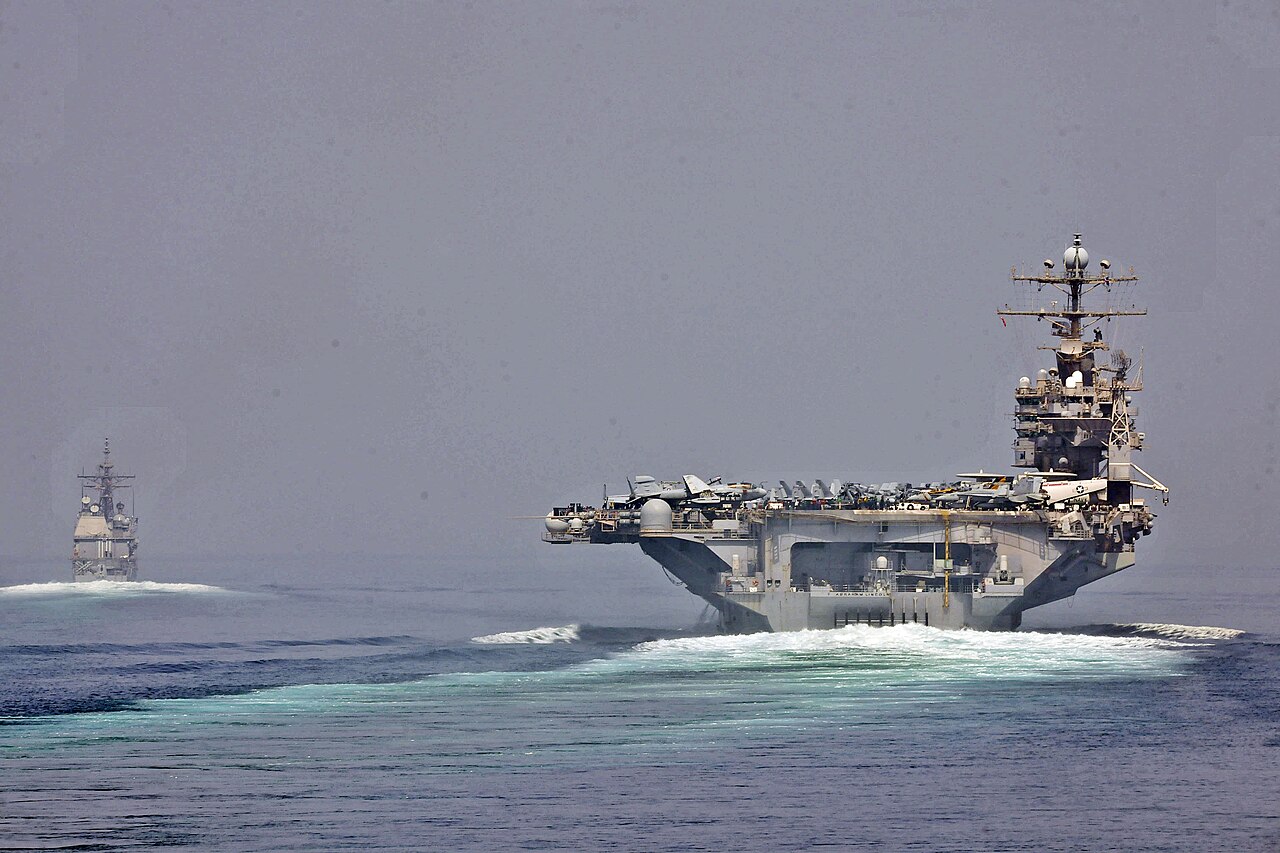
Geopolitical tensions between the United States and Iran continue to intensify, significantly impacting global energy markets and international diplomacy. U.S. naval forces recently intercepted a sanctioned vessel, the M/V Sevan, in the Arabian Sea as part of ongoing efforts to curb Iranian oil exports. The ship, linked to Iran’s “shadow fleet,” was carrying energy products such as propane and butane and is now being escorted back toward Iran under U.S. orders . This move highlights the broader U.S. strategy to limit Iran’s access to global energy markets.
At the same time, diplomatic efforts have stalled. Former President Donald Trump canceled a planned visit by U.S. envoys to Pakistan, citing dissatisfaction with Iran’s negotiation stance. Iranian officials have also signaled reluctance to engage directly with the United States, instead relying on intermediaries. This breakdown in communication has further complicated efforts to resolve the ongoing conflict, now stretching into weeks.
The situation has escalated militarily, with Iran warning of potential retaliation if U.S. actions continue. Iranian defense authorities have emphasized their readiness, while the U.S. maintains a naval presence aimed at enforcing restrictions and clearing mines in the Strait of Hormuz. Experts suggest that mine-clearing operations could take months, prolonging disruptions in one of the world’s most critical oil transit routes.
The Strait of Hormuz, responsible for roughly 20% of global oil shipments, has seen a dramatic decline in traffic, dropping from around 130 vessels per day to fewer than five. This disruption has driven oil prices above $105 per barrel, fueling market volatility and raising concerns about global economic stability.
Despite some optimism about possible negotiations, uncertainty remains high. With rising casualties, increasing fuel prices, and no clear diplomatic resolution, the U.S.-Iran conflict continues to pose a serious threat to global energy supply and economic growth.