


 Container Ship Sinks in Strait of Hormuz as Iran Attacks Escalate
  Asian Currencies Steady as Dollar Nears 18-Month High Ahead of US CPI
  Wall Street Ends Mixed as Investors Await CPI and Bank Earnings
  US Inflation Surges in September, Raising Fed Rate Hike Bets
  Trump Defends Russian Diesel Deal Amid US Sanctions Backlash
  IMF Maintains 2027 Global Growth Forecast at 3.4% Amid Rising Risks
  Philippines Current Account Deficit Seen at $19.1 Billion in 2026
  Gold Prices Rebound as Dollar Weakens Ahead of US Inflation Data
  Gold Prices Mixed Ahead of US Inflation Data and Fed Rate Outlook
  Oil Prices Mixed as Russia Diesel Deal and Houthi Attacks Raise Supply Concerns
  US Dollar Slips From 18-Month High Ahead of Key Inflation Data
  Oil Prices Fall as Russia Signals Higher Diesel Exports
  Samsung, SK Hynix Shares Plunge as China Chip Competition Grows
  Italy’s Meloni Warns US-Russia Diesel Deal Could Weaken Ukraine Sanctions
  IMF Warns US Debt Crisis Needs Fiscal Action, Urges China to Boost Consumption
  Fed's Hammack Urges Faster Rate Hikes to Fight Inflation
  Wall Street Falls as Hot US Inflation Fuels Fed Rate Hike Bets


 Add as a preferred source on Google
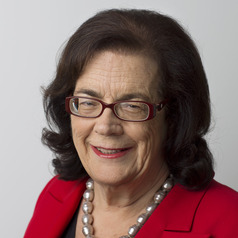
Real wages are expected to start growing slightly earlier and grow more strongly than previously forecast, according to the latest Treasury estimates.
Higher forecasts for wage growth and lower forecasts for inflation in 2023-24 than in the last budget are expected to bring forward the return for real wages growth to early 2024. In the October budget the return was put at mid 2024.
But unemployment is set to rise over the coming year.
Tuesday’s budget will forecast a growth in real wages of three quarters of a percentage point over the year to June 2024. This is an upgrade of half of a percentage point since the October budget.
The government says Treasury’s upgraded forecasts show a resilience in Australia’s labour market.
Unemployment is forecast to be 3.5% in the June quarter of this year increasing to 4.25% in the June quarter next year. This is an improvement of a quarter of a percentage point in both years since the October budget.
Unemployment is still expected to peak at 4.5% But this is now expected to be reached in 2024-25, compared to the expectation in the last budget that the peak would be in 2023-24.
The budget will forecast an additional 500,000 jobs will be created by the June quarter 2026. This is some 200,000 more than expected last October.
There has been speculation this financial year could see the budget in balance or even surplus. Treasurer Jim Chalmers would only say there would be a “substantial improvement in the near term”, but then the pressures on the budget would intensify.
Chalmers said the substantial improvement wasn’t just because of higher commodity prices. “It is also about lower unemployment and the beginning of wages growth”.
He said “getting wages growing again is central to our economic plan and our budget.
"We’re pleased to see signs that wages are moving,” he said.
“While this is a step in the right direction, we know that many Australians are still under the pump from cost-of-living pressures and rising interest rates.
"A big part of tackling cost-of-living challenges is to help ensure ordinary Australian workers can earn enough to provide for their loved ones and get ahead.
"We also understand that securing real wages growth means getting inflation under control and our Energy Price Relief Plan is already helping with this.”
The budget “will be focused on targeted cost-of-living relief that doesn’t add to inflation, getting wages moving again and laying the foundations for a stronger and more resilient economy”.
Chalmers on Friday announced the budget would contain a program to tackle entrenched disadvantage in particular communities.
There would be a series of “place-based initiatives to try and shift the needle”.
Chalmers said there was concern that even with low unemployment there were pockets of disadvantage.
“We don’t want to see long-term unemployment. We don’t want to see entrenched intergenerational disadvantage.”
The $200 million program would back local leaders and organisations working on the difficult social and economic challenges in these areas.
“What that means is partnering with philanthropic organisations, it means investing in local community groups, it means doing something meaningful about impact investing. There are a number of different parts to our strategy.”
He said “to build the kind of economy that we want, we’ve got to align what we want to see in our economy with what we want to see in our society and in our communities.”
Australia, which generated remarkable opportunities for people in the broad, “needs to do a much better job of putting those opportunities within reach of more people”.







