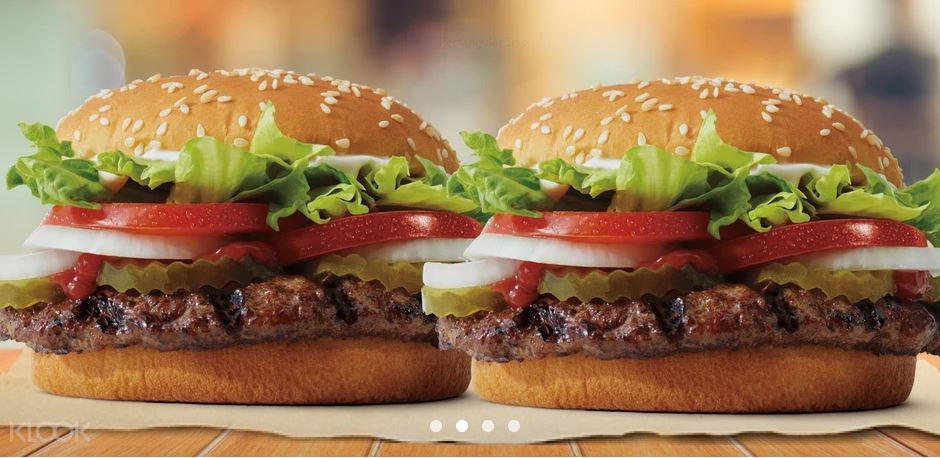
Burger King will slightly increase the prices of some of its products in Taiwan, including the angus beef burger, while dropping the prices of some of its burgers starting on January 11, 2022.
The US fast-food chain said the decision to adjust the prices on its menu is part of its overall operating strategy.
Several items on its main menu, including chicken nuggets, and from its breakfast menu will be NT$4 to NT$10 more expensive, while some of its burgers will be cheaper by NT$4.
Chicken nugget prices will increase the most, rising from NT$69 to NT$85 for a 10-piece pack, and from NT$39 to NT$49 for a five-piece order.
Some of Burger King’s desserts, including regular sundaes and strawberry and chocolate flavored sundaes, will also become slightly more expensive, while its Espresso coffee sundae will cost less, dropping from NT$55 to NT$45.
The Angus beef burgers and whopper combos will be NT$4 more pricey, while most of the chicken burgers will be NT$4 cheaper.
The "King's Collection" menu prices will remain the same.
The price adjustments will apply to about half of Burger King's current menu in Taiwan, adding that its delivery costs will remain the same.