California has withdrawn its lawsuit challenging the Trump administration’s decision to cancel more than $4 billion in federal grants for the state’s long-running high-speed rail project, signaling a major shift in how the state plans to move the project forward. The California High-Speed Rail Authority confirmed late Friday that it is abandoning the legal challenge and intends to continue construction without relying on federal funding.
The lawsuit, originally filed in July, sought to block the termination of grants awarded to support the ambitious plan to connect Los Angeles and San Francisco with a three-hour train ride. However, state officials said the decision to drop the case reflects their conclusion that the federal government is not a “reliable, constructive, or trustworthy partner” in advancing high-speed rail in California. The move comes despite a federal judge earlier this month rejecting an attempt to dismiss the case.
Federal officials have long criticized the project. In June, the Federal Railroad Administration released a 315-page report outlining significant concerns, including missed deadlines, persistent budget overruns, and questionable ridership projections. The U.S. Transportation Department reiterated those concerns over the weekend, stating that after more than 15 years, the project was unlikely to be completed on time or within budget. The department added that canceling the grants would prevent taxpayer money from being wasted on what it described as a “train to nowhere.”
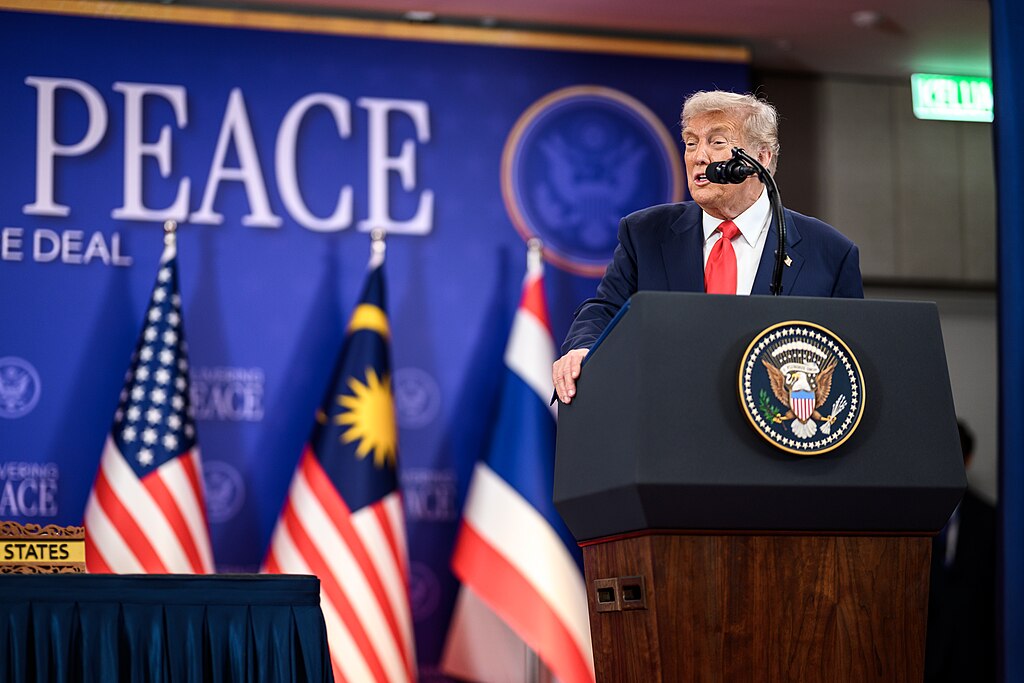
California Governor Gavin Newsom has pushed back strongly against that narrative, previously calling the funding cuts politically motivated and driven by former President Donald Trump’s opposition to California rather than objective facts. Despite the loss of federal support, state officials emphasized that federal funds have accounted for only about 18% of total program spending to date.
Originally approved by voters in 2008, the project was initially projected to cost $33 billion and be completed by 2020. Current estimates place the total cost between $89 billion and $128 billion, with service now expected to begin around 2033. Construction progress includes more than 50 major structures and nearly 80 miles of completed guideway.
Looking ahead, the California High-Speed Rail Authority plans to seek private investors and developers by summer 2026. State legislation signed in September guarantees approximately $1 billion in annual funding through 2045, reinforcing California’s commitment to completing the high-speed rail system despite federal setbacks.