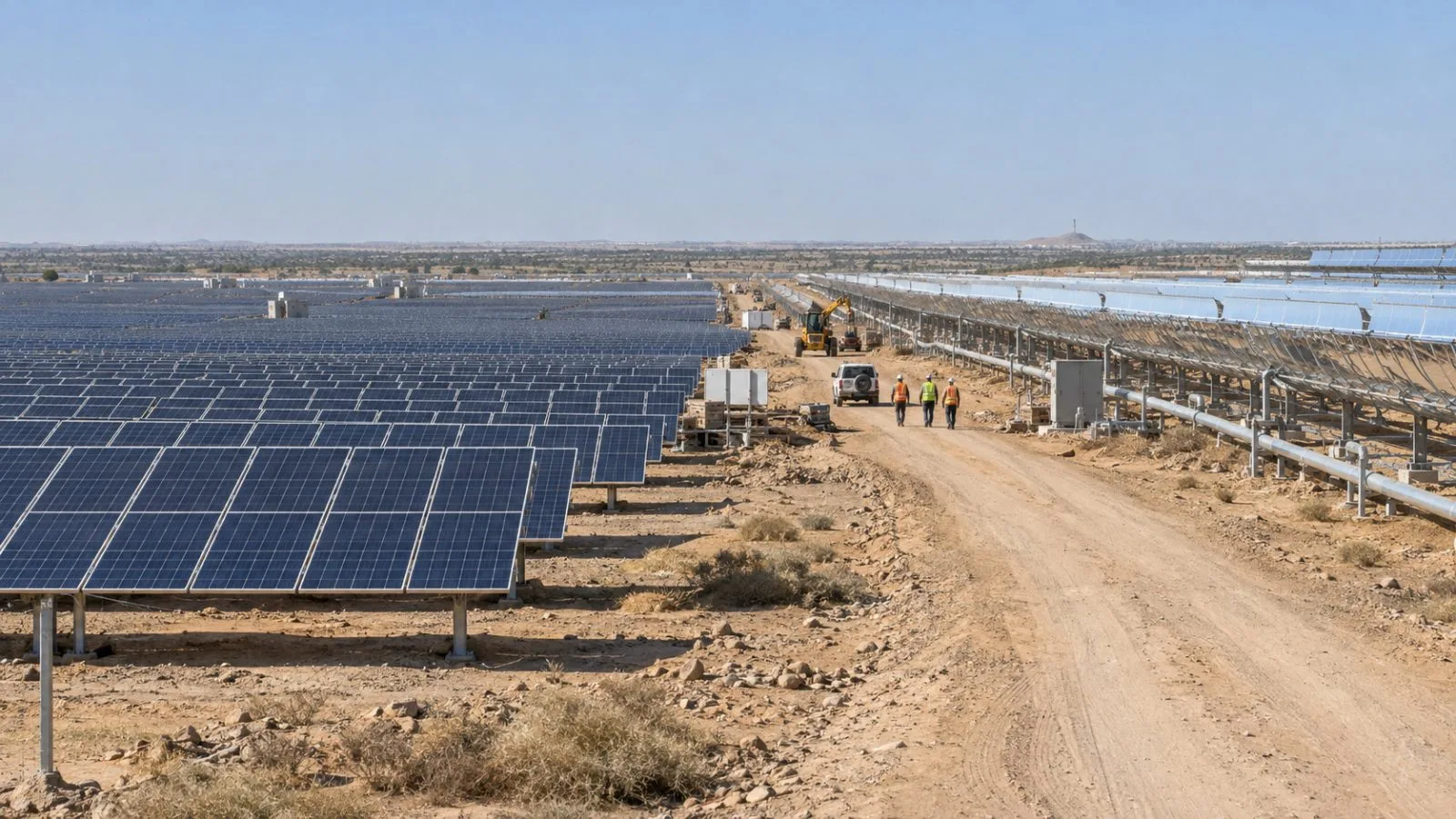
Tensions between the United States and Canada have risen sharply as Canada's new "strategic partnership" with China has triggered a rapid upsurge. By lowering tariffs on up to 49,000 Chinese electric cars from 100% to 6% in exchange for better access for Canadian agricultural products like canola, Ottawa has created a schism with Washington. President Trump warned on Truth Social in response that he could levy 100% taxes on all Canadian goods should Canada develop into a "Drop Off Port" for Chinese products entering the American market.
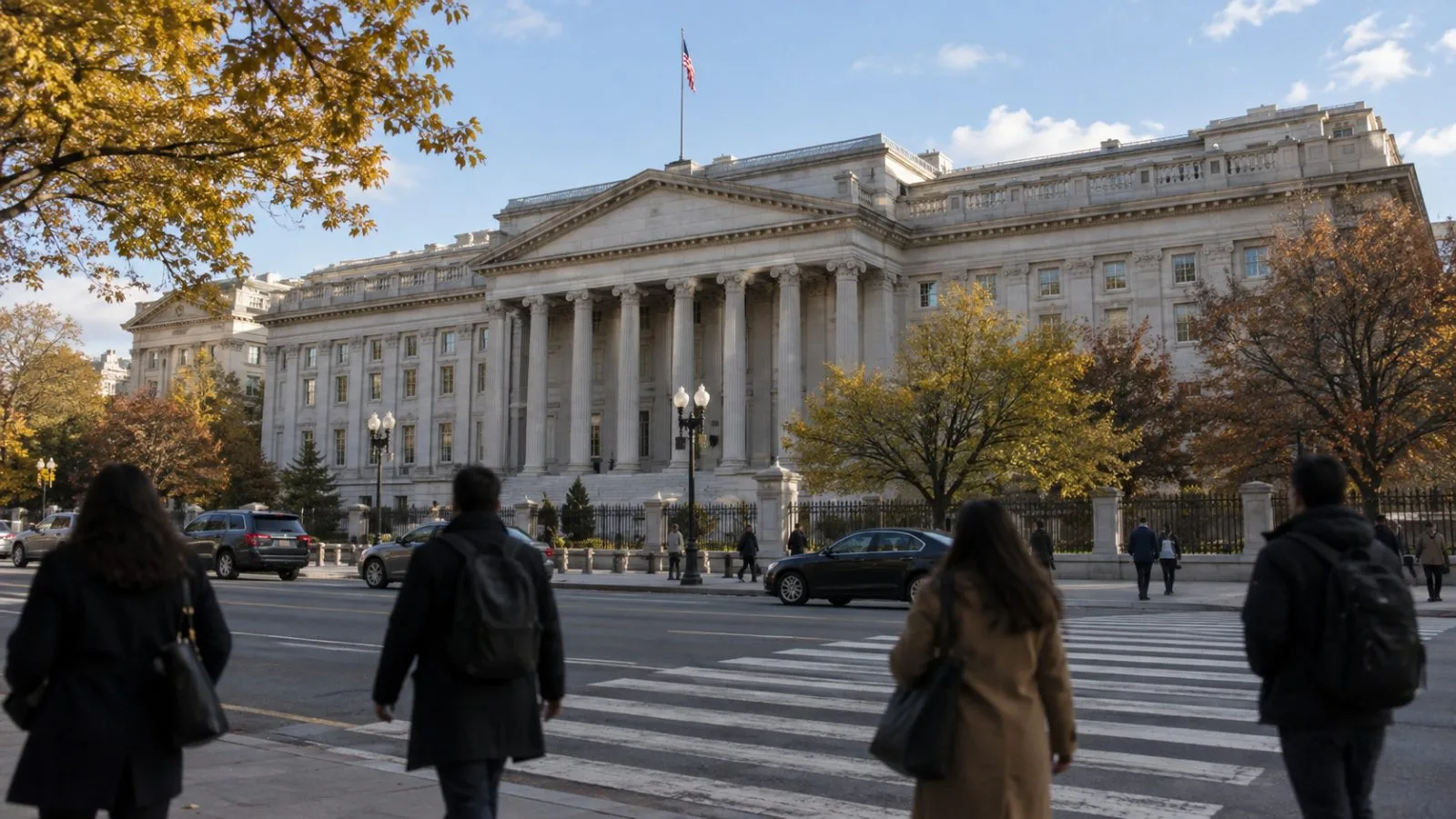
Insisting Canada has "no intentions" and "no plans" to negotiate a complete free trade deal with China and reiterating Canada's support of the USMCA structure, Prime Minister Mark Carney has tried to restrain the fallout. Still, US authorities openly criticize: Treasury Secretary Scott Bessent saw the decision as a retreat from the previously harmonized US–Canada hard line on Chinese imports. For its part, China insists the agreement is limited and sectoral and not directed at the United States.
At a delicate time—with a USMCA review set for later in 2026—the disagreement ends. Though almost 80% of Canadian products already enter the United States duty-free, Trump's tariff threats and the EV deal increase the risk of new trade restrictions on key Canadian exports, including scrap metal, aluminum, and autos. Already evident in the increased USD/CAD volatility is the volatility. Though Carney has depicted Trump's cautions as a hard-nosed negotiating strategy ahead of USMCA discussions, the show emphasizes how flashpoints in North American trade relations are Chinese EVs and North American industrial policy.