


 AI Agents Could Disrupt Financial Services, Bernstein Says
  FxWirePro: Daily Commodity Tracker - 21st March, 2022
  Best Gold Stocks to Buy Now: AABB, GOLD, GDX
  Dollar Eases Near Two-Month High as Yen Rebounds
  Oil Prices Surge as U.S.-Iran Tensions Fuel Supply Fears
  Nasdaq Futures Jump as Micron Earnings Boost AI Trade
  Wall Street Edges Higher as Treasury Yields Retreat
  Gold Steady as Softer U.S. Inflation Eases Fed Rate Hike Bets


 Add as a preferred source on Google
The anticipated rotation of Canadian growth, and indeed much of the growth forecast, is reliant on how developments beyond the borders feed into the domestic economy. There are two key risk channels: foreign demand and the interest rate environment. Should export growth come in weak as a result of deficient foreign demand, overall economic growth would likewise disappoint what is already a low bar.
Similarly, a more rapid increase in borrowing costs due to spillover from the U.S. would create an additional headwind to the housing market and consumer spending, both sectors that lack pent-up demand to power through.
"Our forecast is for somewhat weaker growth than anticipated by the Bank of Canada's October outlook. We do not view the difference in outlook as sufficient in size to warrant another cut in the policy rate. But, should the risks identified above materialize, a policy response would likely be warranted, particularly in the case of deficient foreign demand given the high dependence on export-driven growth to the overall picture", says TD Economics.

- News

- Economy

- Central Banks
- Investing
- Research
- Roundups
- Digital Currency
- Insights
- Technical Analysis
- Technology
- Business
- Law
- Health
- Nature
- Fintech
- Science
- Topic
- Opinions
- ©Econometrics LLC . All Rights Reserved.
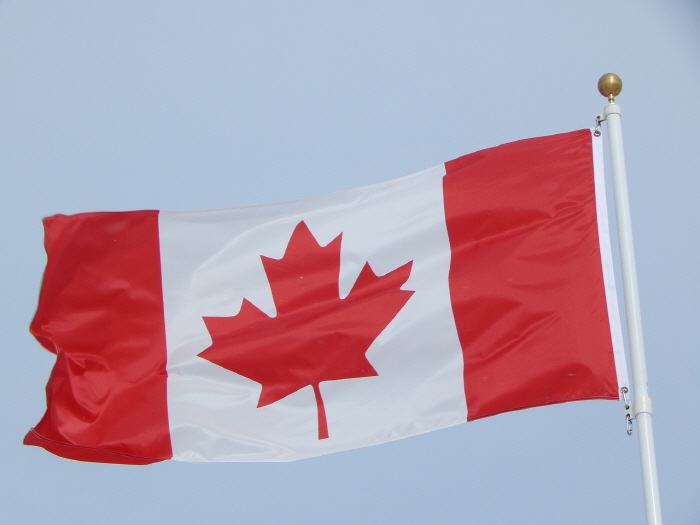
Canada's external factors the key driver, but also the key risk
Friday, December 18, 2015 1:14 AM UTC
Editor's Picks



- Market Data
Most Popular




