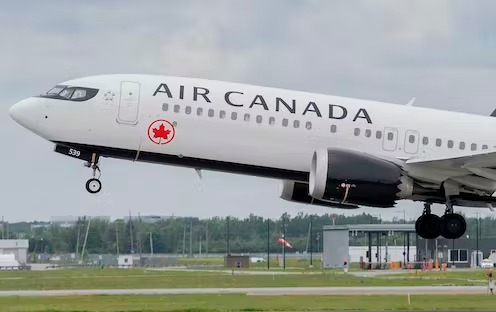
Canadian airlines have suspended flights to Cuba after the Caribbean nation warned it is running dangerously low on jet fuel, a situation worsened by tightened U.S. sanctions blocking oil shipments from Venezuela. Air Canada, WestJet, and Air Transat confirmed widespread flight cancellations beginning Monday, citing unreliable aviation fuel supplies at Cuban airports.
Air Canada, the country’s largest airline, said aviation fuel is not expected to be commercially available as of Tuesday, following official notices to pilots warning of an extended fuel shortfall. The disruption is expected to last from February 10 through March 11. WestJet and Air Transat also cancelled flights, with Air Transat suspending all Cuba operations until the end of April.
The cancellations came just days after Cuban authorities announced fuel rationing measures, initially claiming air travel would not be affected. However, a notice issued late Sunday contradicted that assurance. Cuba’s Civil Aviation Corporation later released a brief statement emphasizing operational safety but did not directly address fuel shortages or airline suspensions. The Cuban government did not immediately respond to media inquiries.
To manage the crisis, Air Canada said it would operate empty flights to repatriate roughly 3,000 stranded passengers, carrying extra fuel and making refueling stops if needed. WestJet has begun an orderly wind-down of its Cuba services, while Air Transat is organizing special return flights for customers.
International airlines are also adjusting operations. Spain’s Air Europa announced it will add refueling stops in the Dominican Republic for its Madrid–Havana route. Such measures are not new, as airlines have previously refueled in nearby countries like Panama and the Bahamas during past Cuban fuel shortages.
The root of the crisis lies in Cuba’s reliance on Venezuelan fuel. Since mid-December, the island has received no oil or refined products after the U.S. blocked Venezuela’s exports. President Donald Trump has warned that any country supplying fuel to Cuba could face tariffs, effectively cutting off aviation fuel supplies.
Despite the disruption, U.S. carriers including American Airlines, Delta Air Lines, and Southwest Airlines said they continue flying to Cuba, noting their aircraft carry sufficient fuel for return trips. Travelers in Cuba, however, expressed growing uncertainty, fearing ongoing instability will continue to disrupt air travel and tourism.