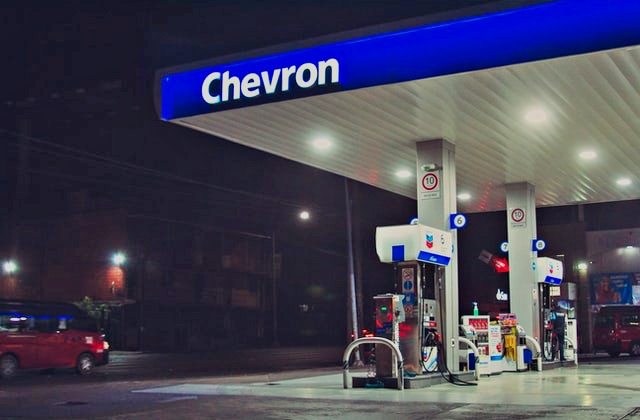
Chevron is expected to receive an expanded Venezuela license from the U.S. government this week, a move that could significantly increase oil production and exports from the South American nation, according to multiple oil industry sources cited by Reuters. The anticipated approval would mark a major shift in U.S. energy and sanctions policy toward Venezuela, opening the door for greater involvement by American and international oil companies.
The expanded license would allow Chevron, currently the only U.S. oil major producing crude in Venezuela, to boost output and export volumes beyond the current restrictions. Chevron produces around 240,000 barrels per day through joint ventures with Venezuela’s state-owned oil company PDVSA. Since July, its operations have been limited under a narrower U.S. authorization tied to sanctions, which sharply reduced exports compared with levels seen in early 2025.
Other energy players are also positioning themselves to benefit from renewed access to Venezuela’s heavy crude. Marathon Petroleum is reportedly in talks with the U.S. administration to receive Venezuelan oil for its refineries, while Valero Energy, Mercuria, and Glencore are seeking licenses to resume business with the country. Global trading houses Vitol and Trafigura have also been competing for U.S.-approved deals to export Venezuelan crude.
The policy shift follows recent political developments in Venezuela, including the removal of President Nicolas Maduro and the installation of an interim government. Since those events, Chevron’s stock has climbed nearly 9%, reflecting investor optimism around expanded operations and long-term production growth.
The U.S. has already completed initial sales of Venezuelan oil under a $2 billion agreement with Caracas, with additional transactions expected in the coming weeks. Washington has indicated it intends to oversee Venezuelan oil sales indefinitely, as it seeks to stabilize supply and attract investment. President Donald Trump recently urged oil executives to commit up to $100 billion to revive Venezuela’s oil industry, potentially reshaping global energy markets and OPEC dynamics in the process.