U.S. President Donald Trump has defended the ongoing U.S. and Israeli military campaign against Iran, signaling that the conflict could last longer than initially expected. The operation, which began with coordinated airstrikes on Saturday, has already targeted more than 1,000 Iranian sites and sunk at least 10 Iranian warships. The strikes reportedly resulted in the death of Supreme Leader Ayatollah Ali Khamenei and intensified tensions across the Middle East.
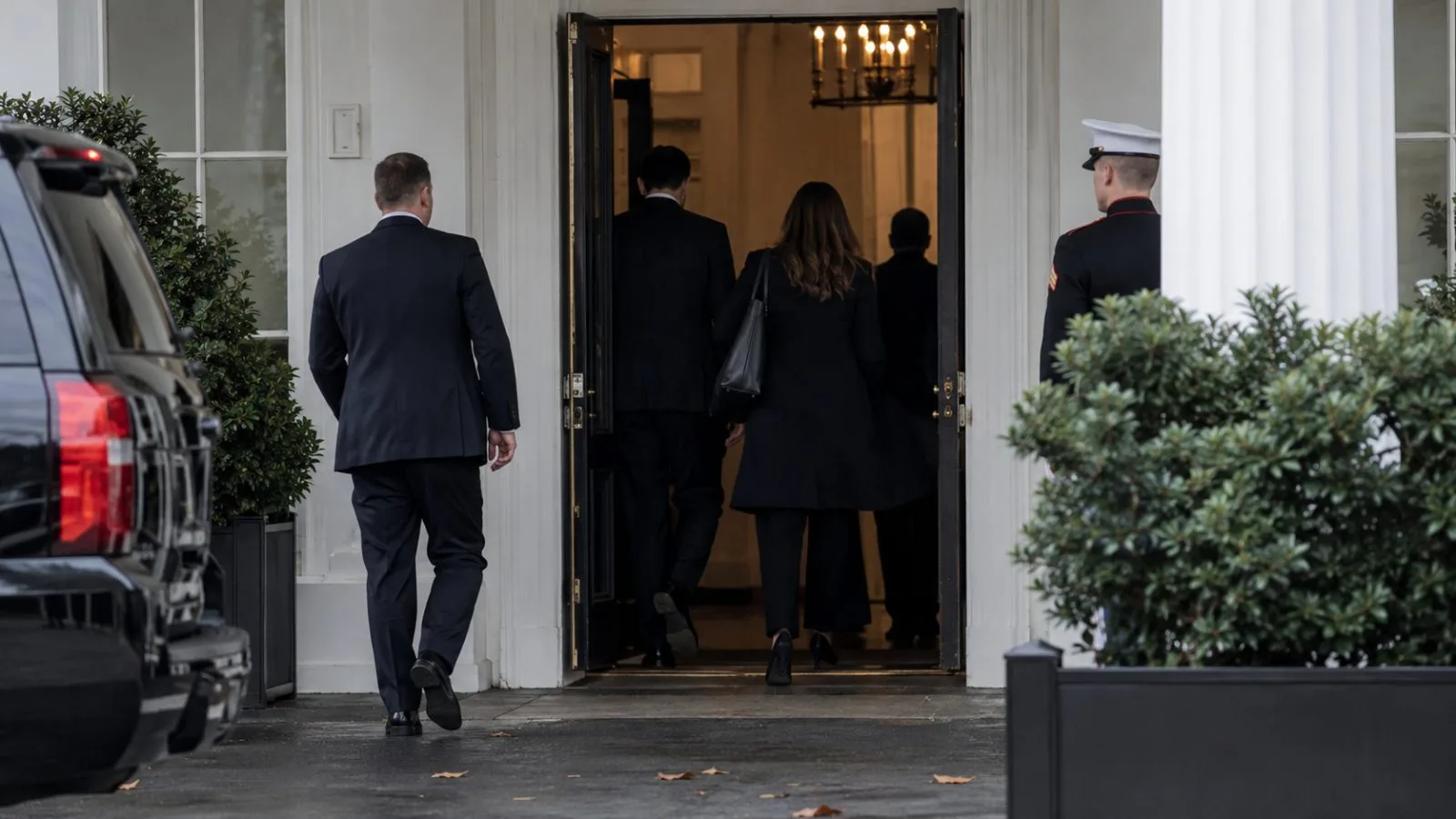
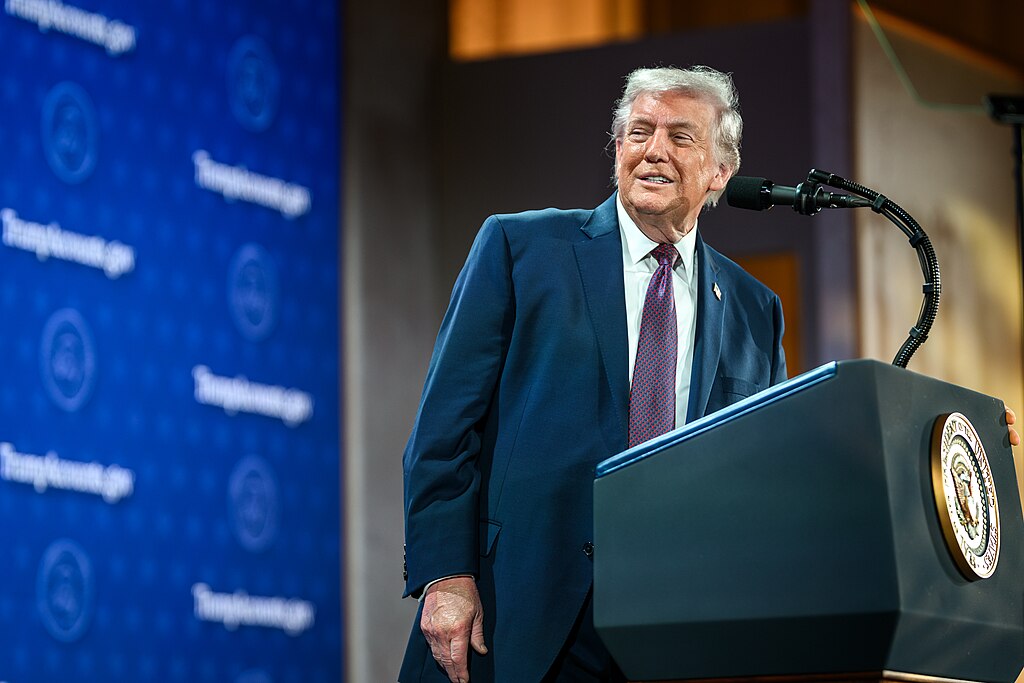
Speaking at the White House on Monday, Trump said the joint U.S.-Israel attack on Iran was originally projected to last four to five weeks but could extend beyond that timeframe if necessary. He emphasized that the primary objective of the military operation is to prevent Iran from developing nuclear weapons and expanding its long-range ballistic missile program. According to Trump, an Iran armed with both nuclear weapons and advanced missile capabilities would pose a serious threat to regional stability and U.S. national security.
The escalating conflict has triggered retaliatory actions from Tehran. Iran has reportedly launched missiles and drones toward neighboring Arab countries and disrupted global energy shipping by restricting traffic through the Strait of Hormuz, one of the world’s most important oil transit routes. Trump said the United States has a “virtually unlimited supply” of munitions and insisted the campaign could continue as long as required to achieve its objectives.
Despite the administration’s insistence that the strategy is clear, some critics have pointed to mixed messaging from U.S. officials regarding the scope of the conflict. Secretary of State Marco Rubio told reporters that Israel’s planned military action against Iran effectively pushed Washington to act preemptively to protect American forces in the region. Rubio argued that early intervention was necessary to avoid larger casualties if Iranian-backed attacks were launched first.
Trump’s public statements have also shifted in tone since the operation began. While he initially encouraged Iranians to “take back your country,” suggesting potential regime change, he later clarified that the mission’s main goal is to stop Iran’s nuclear ambitions and destabilizing military capabilities. He has also indicated he would be willing to engage in diplomatic talks with any future leadership in Iran.
In an official notice sent to Congress regarding the Iran strikes, Trump acknowledged that the timeline of the military operation remains uncertain. He stated that although the United States hopes for a swift and lasting peace, it is impossible to predict how long the conflict will continue. Analysts say the administration appears to be deliberately leaving the end goals of the campaign flexible while maintaining pressure on Iran through sustained military action.