Meta description: Childhood obesity is a worldwide problem, but one that can be stopped. Keep reading to find out what you need to know about the risks and prevention methods.
It's the unfortunate truth that around the globe many children and adults are struggling with obesity. It’s also sadly true that these numbers seem to only be increasing. To understand how and why, as well as the causes and risk factors of childhood obesity specifically, we have put together a small guide on what you need to know.
Risks
There are quite a few risk factors that can lead to childhood obesity, some that can be helped and even rectified, and others that are harder to get around:
-
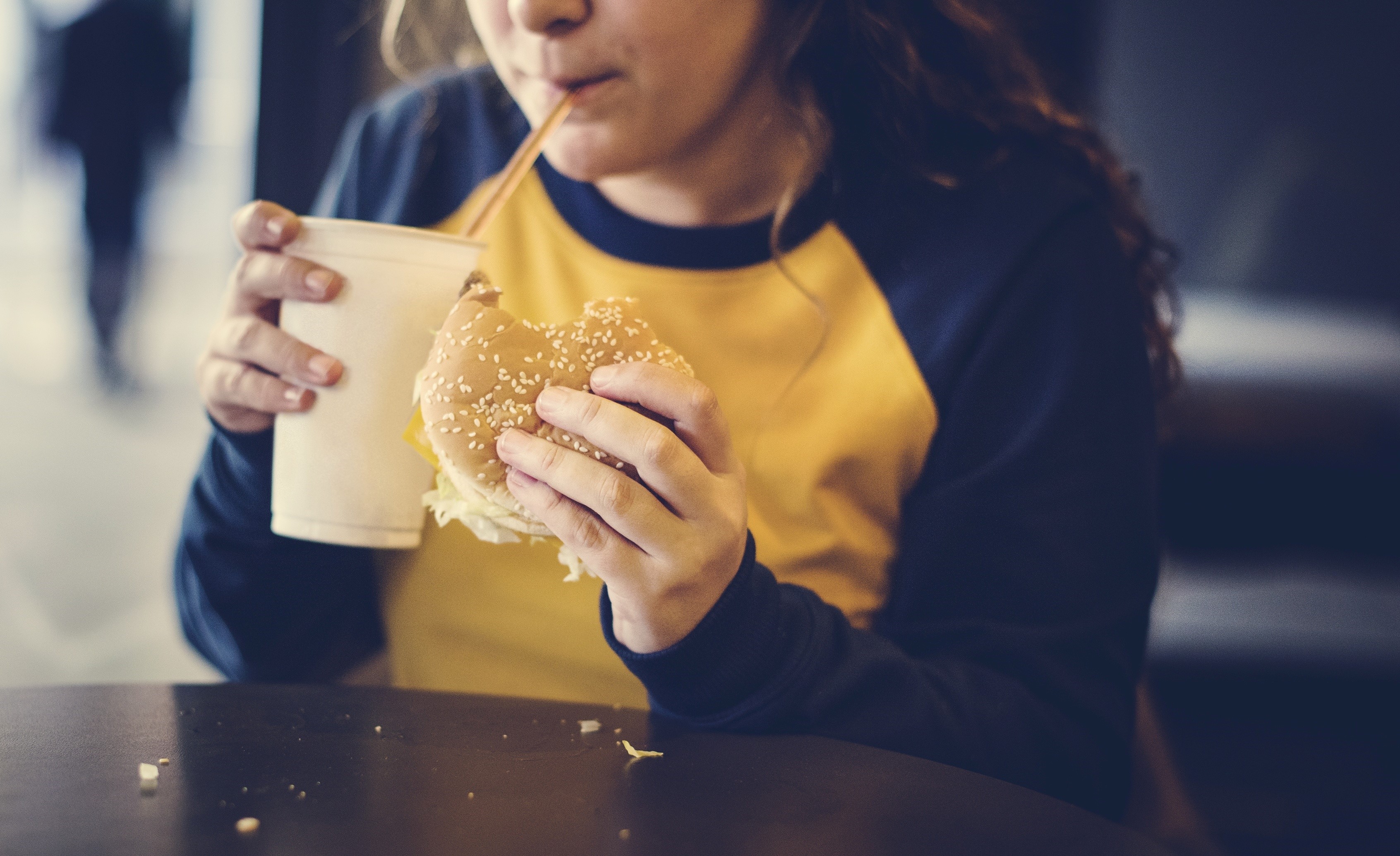
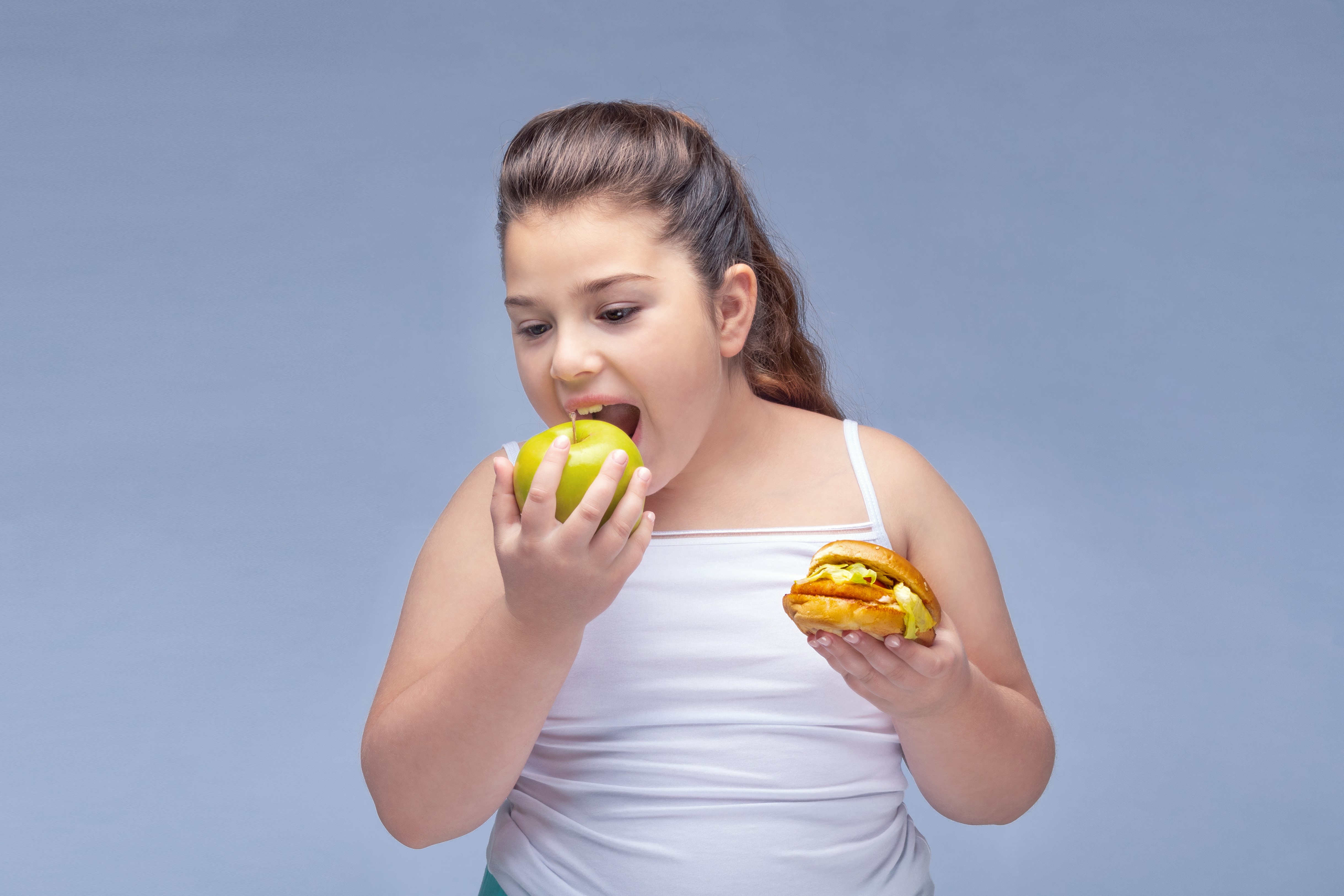
Diet—This is a huge factor and eating too much sugary food, rather than healthier ones, can lead to serious weight gain.
-
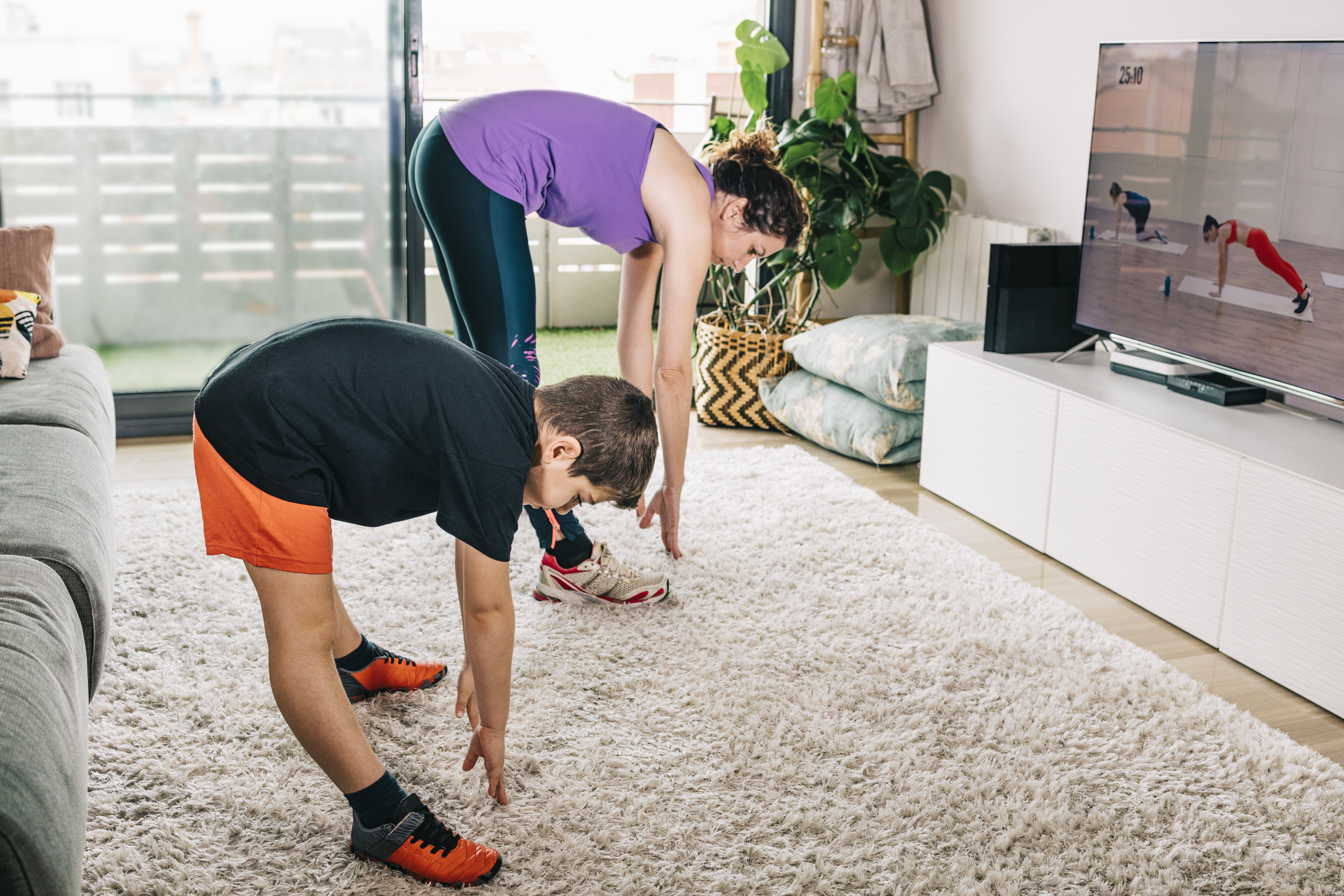
Too little physical activity—If your child’s diet is poor and they also don’t move around and partake in physical activities, their chance of becoming obese only increases.
-
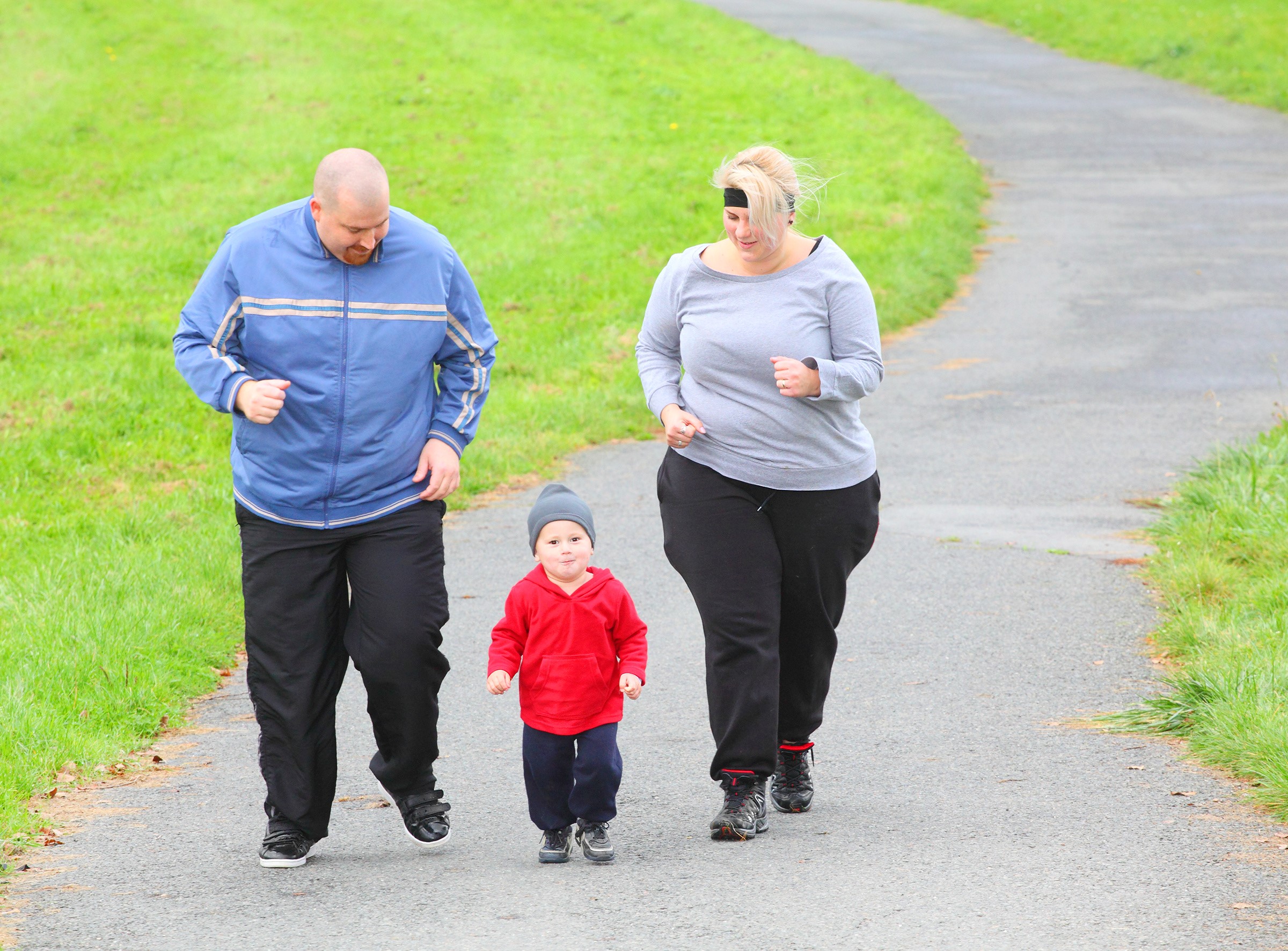
Family influences—If a child’s parents are overweight or practice poor health choices, this can often times be a huge influence on a child’s healthy or lack of healthy behaviors.
-
Genetics—There are rare genetic disorders that can cause childhood obesity. There are also particular genes that place children at higher risk for obesity. If being overweight seems to run in the family, parents should try to ensure that they’re making healthy choices, not just for themselves, but for their families as well. Help can always be sought through a family care provider.
Worldwide problem
Childhood obesity isn’t just an American problem, the levels have increased across the globe including in Australia and the UK. In fact, in Australia it was estimated that about 20% of children and adolescents were obese and this figure, according to different sources sat at 24% as of 2017-18. (1) (2)
Around the world obesity levels for both children and adults have tripled since 1975. This increase has largely been preventable and still is. From the way society interacts with food, children can learn poor eating habits from a very young age, not just at home but on television and on social media as well. (3)
Health problems
There are severe health problems that come with obesity, and even if they aren’t noticeable during childhood, they can become obvious and even life threatening in adulthood. Some of these problems are as follows:
-
Type 2 diabetes is commonly seen in adults but children are still able to be diagnosed with this.
-
Eating disorders such as binge eating and bulimia.
-
Liver problems such as fatty liver.
-
Orthopedic issues.
-
Joint pain.
-
Heart problems such as cardiomyopathy, which is an issue with the heart muscle caused by the extra effort needed to pump blood.
-
Respiratory disorders such as restricted or blocked airways and even sleep apnea, a condition that causes difficulty breathing when sleeping.
Obesity in childhood leads to obesity in adulthood
Children suffering from obesity are more likely to stay obese as teenagers and also as adults. This is unless there is a positive intervention and a drastic change in health habits.
Social struggles
Obesity in children can have a huge impact on how they feel about themselves and how they feel around other people and other children. Obese adolescents can exhibit stronger signs of low self-esteem which can have a negative impact on different aspects of their lives such as friendships and school. The increase in obesity we are seeing is only making these struggles more prevalent among young people.
Prevention
There are many ways childhood obesity can be prevented such as:
-
Having healthy snacks at home—Many children come home from school wanting to snack between then and dinner time, so make healthy options available such as baby carrots, air-popped popcorn without butter or fruit.
-
Be consistent—Your children might shy away from some new foods they don’t like, but this doesn’t mean they will always not like it. Usually, it takes a few attempts for a child to give new food a try, so don’t get discouraged.
-
Don’t use food as a reward—A child can build up certain unconscious habits when they link food with doing something good.
-
Setting a good example—Children can learn how to be active and how to positively interact with food by seeing their parents or role models .
Things to remember
When it comes to your children, you set the tone and can lead the way to living a healthy life. Each risk factor can be turned around by working to prevent bad habits from building up over time. Encourage your children to exercise and eat healthy by doing the same, because if not stopped, childhood obesity can lead to serious health problems later on in life.
This article does not necessarily reflect the opinions of the editors or the management of EconoTimes