In a Shanghai warehouse, Chinese startup AgiBot is training humanoid robots to perform everyday tasks like folding clothes and making sandwiches. Operating 17 hours a day, the site collects crucial data to enhance the robots' AI capabilities. This effort is part of China’s broader push to become a global leader in humanoid robotics, spurred by economic challenges such as population decline, trade tensions, and slowing growth.
President Xi Jinping’s recent visit to AgiBot highlighted Beijing’s commitment to advancing robotics as a pillar of its next industrial revolution. Backed by over $20 billion in government funding and an additional 1 trillion yuan ($137 billion) AI and robotics fund, the sector is rapidly scaling. Local governments are also contributing, offering subsidies, free workspace, and support for new data collection centers.
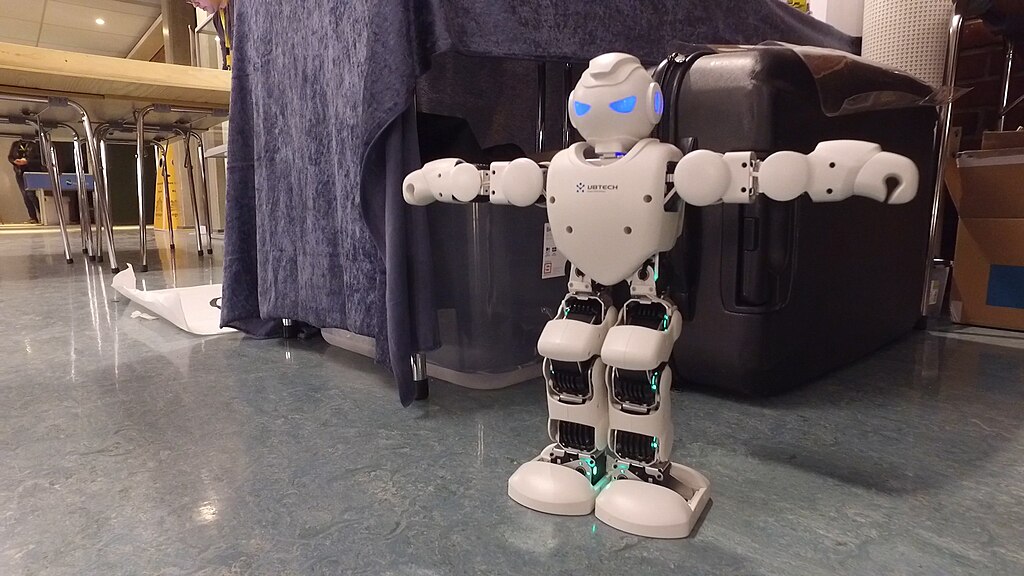
With China capable of producing up to 90% of humanoid robot components, domestic firms like Unitree, MagicLab, and UBTech are entering mass production. Robots are now being tested on factory floors for tasks like quality checks and material handling. The cost of humanoids is expected to fall from $35,000 to $17,000 by 2030, potentially driving mass adoption similar to the electric vehicle boom.
AI firms like DeepSeek, Alibaba’s Qwen, and ByteDance’s Doubao are helping power these robots’ “brains,” enabling real-world applications. While automation raises concerns about job displacement in China’s 123 million-strong manufacturing sector, the government is exploring solutions like AI unemployment insurance. At the same time, humanoid robots are being positioned to address labor shortages in elder care.
As China pushes to dominate humanoid robotics, its integration of data, AI, and supply chain efficiency could redefine global manufacturing and workforce dynamics.