


 Yen in Focus as BOJ, Fed Rate Hikes Reshape Currency Markets
  Gold Rebounds as Oil Falls and Treasury Rout Eases
  US Dollar Hits Two-Month High as Aussie, Pound Slide
  RBA Hikes Interest Rate to 4.60% as Inflation Risks Rise
  Asian Currencies Weaken as Dollar, Oil Prices Rise
  Fed Unveils Stablecoin Rules Under GENIUS Act
  U.S. Stock Futures Steady as AI, Rate Concerns Weigh
  BlackRock’s Rick Rieder Favors Bonds Over Stocks as Treasury Yields Surge
  BOJ Set for Rate Hike as Inflation and Yen Pressure Mount
  ECB May Stop Rate Hikes After December, Capital Economics Says
  Japan Warns Markets Over Yen Weakness
  U.S. Stock Futures Fall as Iran, Oil and AI Risks Rattle Markets
  Asian Stocks Fall as Bond Yields and Oil Prices Surge
  BOJ Flags Import Costs and Yen Shocks as Persistent Inflation Risks


 Add as a preferred source on Google
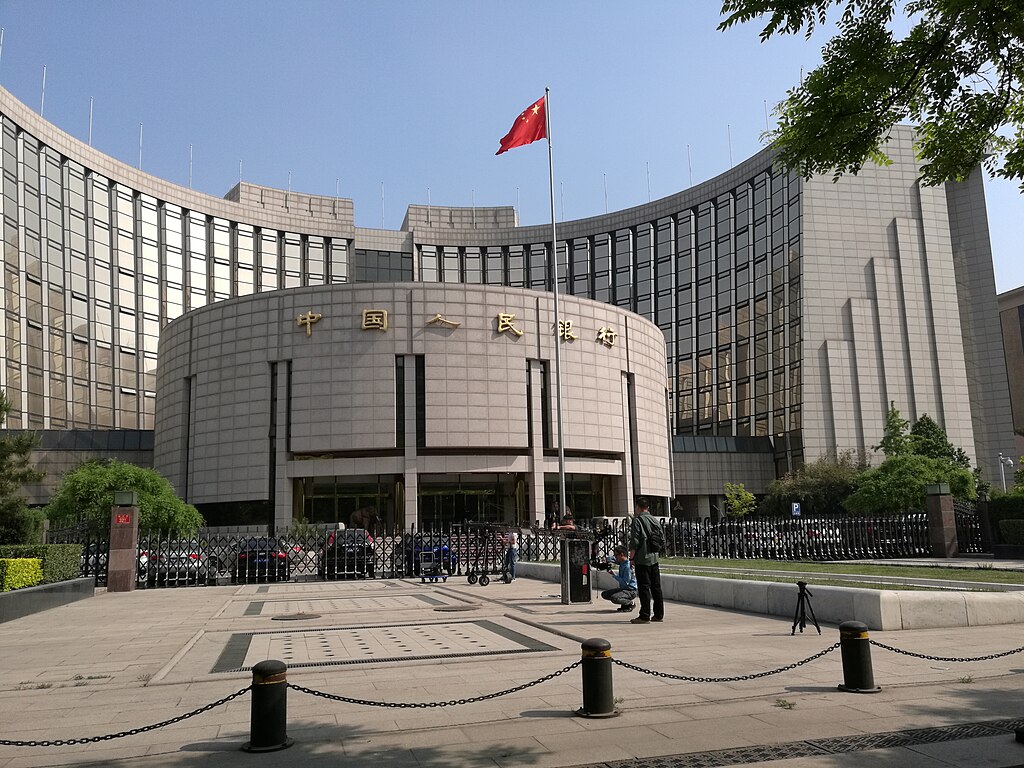
China’s central bank kept its benchmark lending rates unchanged in February, marking the ninth consecutive month of steady policy as officials navigate mixed economic signals and subdued domestic demand. The People’s Bank of China (PBOC) left the one-year loan prime rate (LPR) at 3.00% and the five-year LPR, which serves as a key reference for mortgage rates, at 3.50%, in line with market expectations.
The decision highlights Beijing’s cautious monetary policy stance as the world’s second-largest economy faces an uneven recovery. While export performance has shown resilience despite ongoing global trade uncertainties, domestic conditions remain fragile. Weak inflation, soft consumer spending, and sluggish credit demand continue to weigh on broader economic momentum. At the same time, persistent challenges in China’s property sector have added pressure to policymakers seeking to stabilize growth without triggering financial risks.
Economists note that the PBOC has opted for targeted liquidity measures rather than broad interest rate cuts. By relying on structural tools and administrative guidance to encourage lower lending costs, the central bank aims to support key sectors while protecting bank profit margins and limiting downward pressure on the yuan. This approach reflects concerns about narrowing net interest margins within the banking system and potential currency volatility in a shifting global rate environment.
Last year, Chinese authorities introduced several supportive measures, including reductions in key policy rates and cuts to banks’ reserve requirement ratios, to stimulate economic growth. However, recent signals from policymakers suggest a greater emphasis on structural reforms and targeted assistance instead of aggressive monetary easing.
By holding the loan prime rates steady, the PBOC appears focused on balancing economic stabilization with financial stability, as China works to strengthen domestic demand and ensure sustainable long-term growth.







