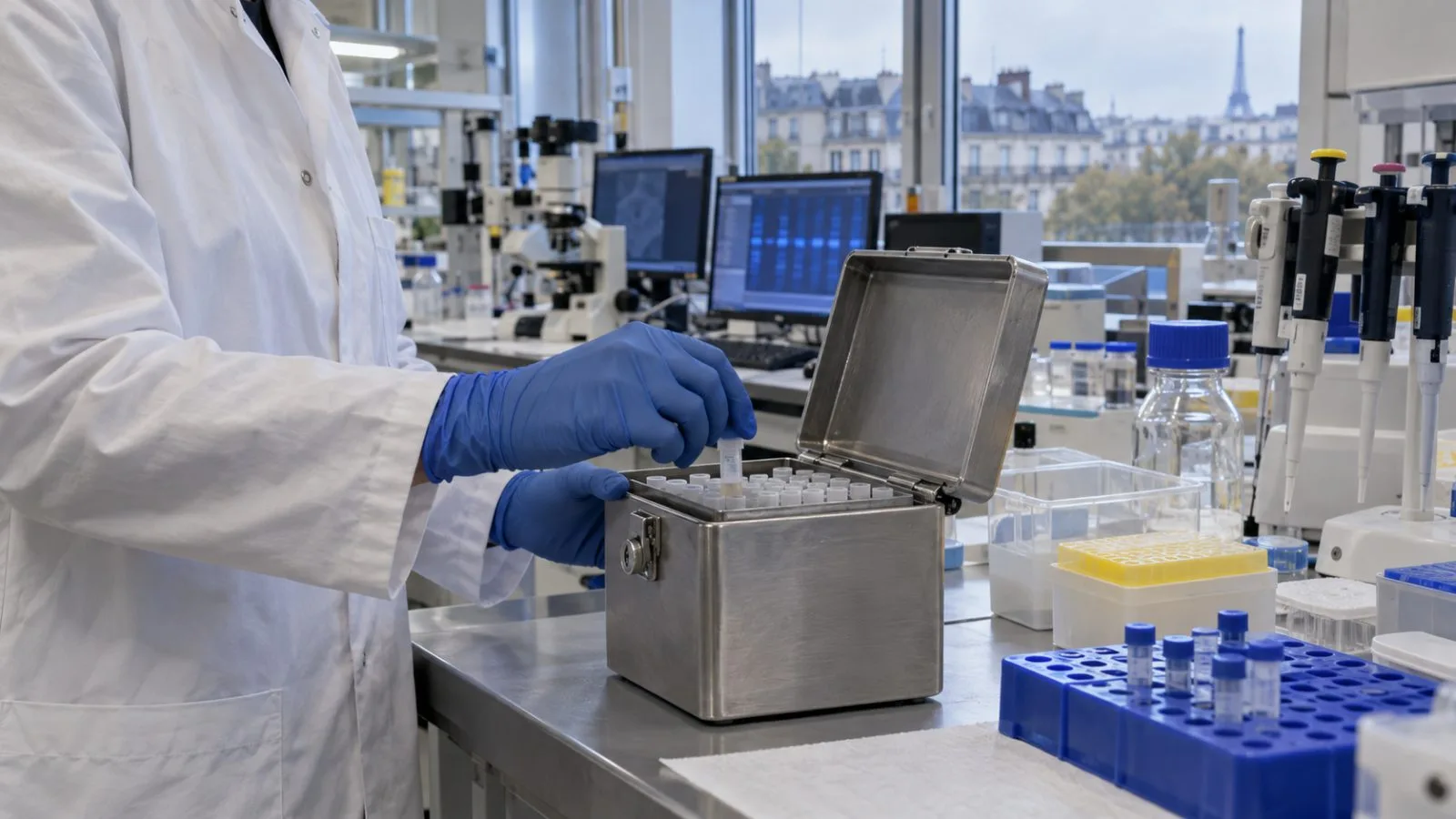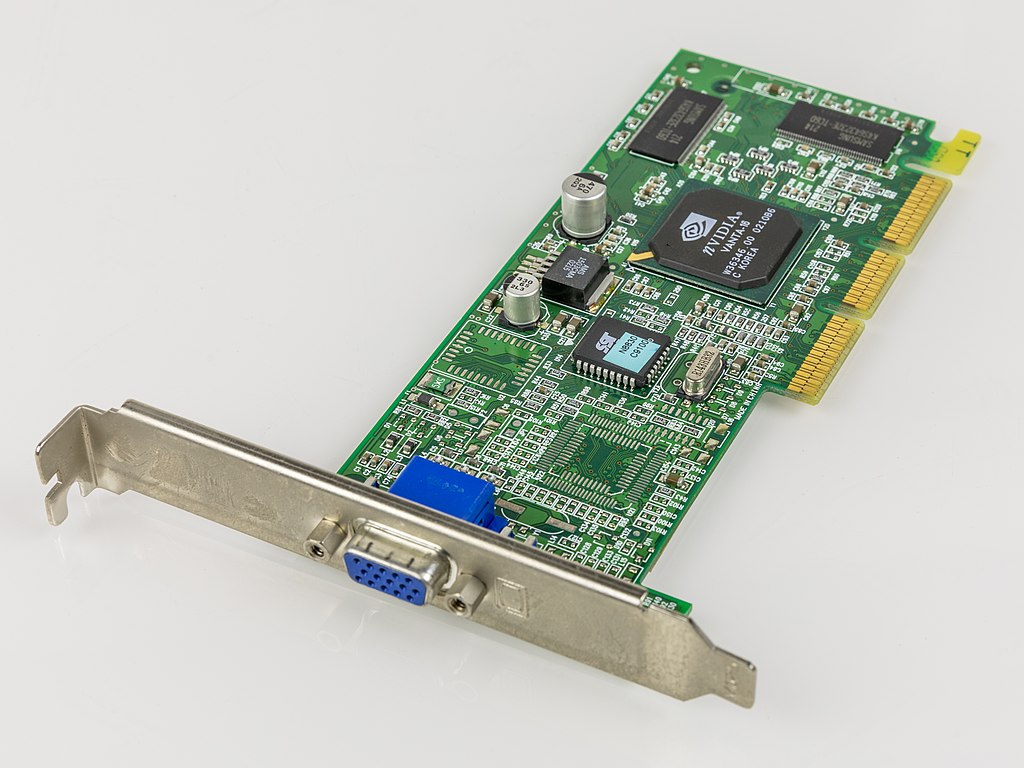
Chinese scientists have developed the world’s first high-performance optical computing chip, named "Meteor-1," potentially challenging Nvidia’s (NASDAQ:NVDA) dominance in AI hardware. According to the South China Morning Post, the breakthrough chip achieves a theoretical peak performance of 2,560 tera-operations per second (TOPS) at 50GHz, rivaling Nvidia’s powerful RTX 4090 and approaching the upcoming RTX 5090’s 3,352 TOPS.
Unlike conventional electronic chips, "Meteor-1" relies on optical computing technology, offering ultra-fast processing, significantly lower latency, and reduced energy consumption—key advantages for AI model training, data centers, and edge computing. The chip’s innovative multi-wavelength design enables it to handle more than 100 tasks concurrently, making it ideal for complex parallel processing.
Developed by researchers from the Shanghai Institute of Optics and Fine Mechanics and Singapore’s Nanyang Technological University, the fully self-designed chip is a major milestone for China’s semiconductor independence. The research was published on June 17 in the journal eLight.
This development comes amid tightening U.S. export restrictions on advanced semiconductors, which have hindered China’s access to high-end chips like Nvidia’s H100. "Meteor-1" represents a strategic leap forward in Beijing’s effort to create homegrown alternatives and reduce reliance on Western technology.
The chip could reshape the future of artificial intelligence infrastructure, offering a competitive edge in AI performance while sidestepping limitations of traditional silicon-based processors. As optical computing continues to evolve, China’s entry into this next-generation chip space positions it as a serious contender in the global AI race.