South Korea has proposed a record 821 trillion won ($596.92 billion) government budget for 2027, sharply increasing fiscal spending as the country seeks to strengthen its position in artificial intelligence, semiconductors and other strategic technologies.
The 2027 spending plan represents a 12.8% increase from 2026, the largest annual rise in South Korean history. It marks a major shift toward expansionary fiscal policy under President Lee Jae-myung following three years of tighter government spending under the previous administration.
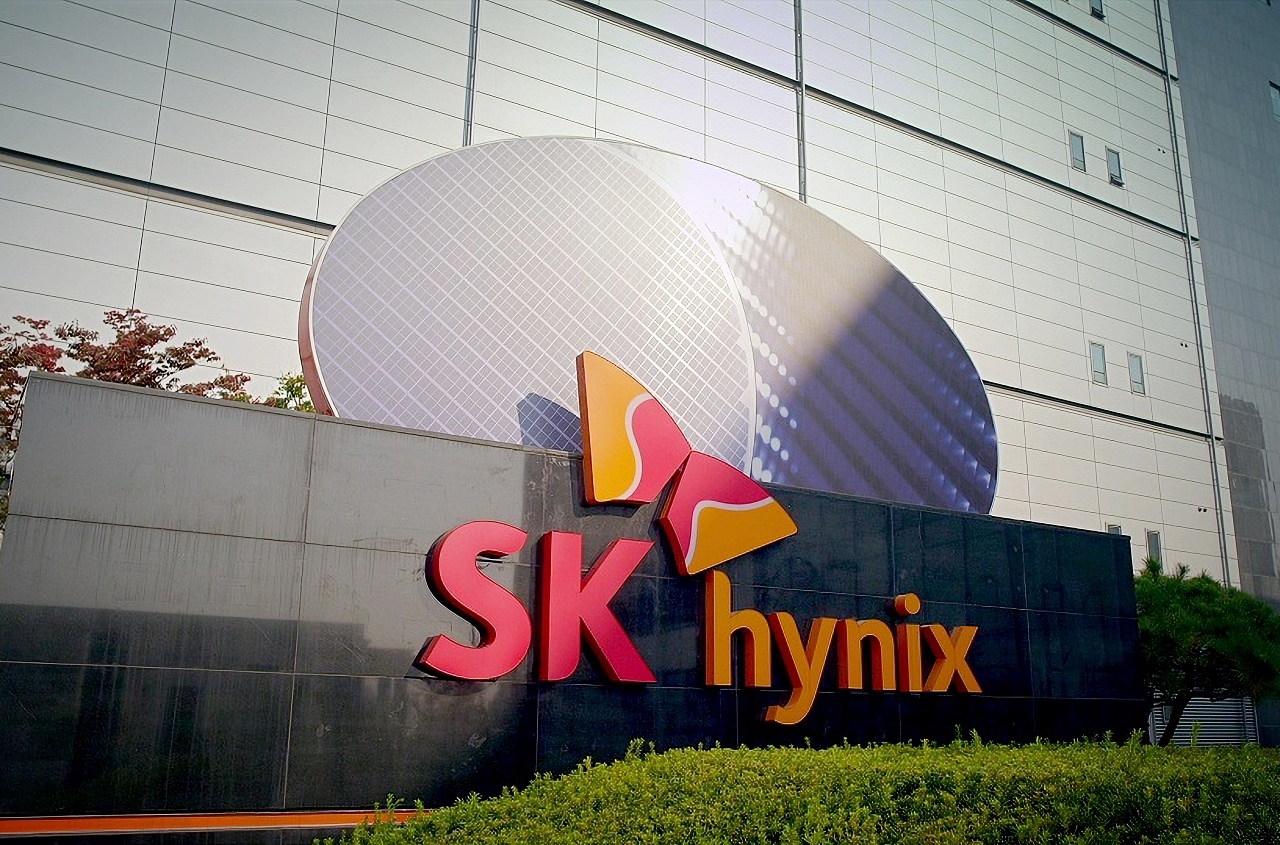
A semiconductor-driven tax windfall is helping finance the increase. Samsung Electronics and SK Hynix have reported exceptional profits as global AI investment fuels demand for high-bandwidth memory, or HBM, chips.
South Korea expects total tax revenue to surge 40.7% to 584.4 trillion won in 2027, while corporate tax receipts are projected to more than double to 216.7 trillion won. The stronger revenue outlook is expected to lower the debt-to-GDP ratio to 48.3% from an estimated 51.6% this year.
Budget Minister Park Hong-keun said the government plans to use fiscal resources proactively while tax revenues remain strong. Spending growth is expected to gradually moderate from 2028 and fall toward 5% by 2030 as current investments begin generating economic returns.
Technology remains central to the South Korea budget. The government earmarked 2.6 trillion won for a special semiconductor programme and another 21.3 trillion won for industrial water supplies, electricity grids and logistics infrastructure supporting domestic chip manufacturing.
The proposal also includes 3.4 trillion won for a nuclear-powered submarine programme and other strategic weapons.
Meanwhile, 162.3 trillion won in projected excess tax revenue will be directed toward a long-term Future Response Fund rather than immediate spending. The fund is expected to deploy 45.4 trillion won next year for youth welfare, future growth industries and specialised education.
Improved tax revenue will also allow South Korea to reduce borrowing. Total government bond issuance is projected at 222.8 trillion won, while net issuance will fall by 13.1 trillion won to 96.3 trillion won.
The record 2027 budget must still receive approval from South Korea’s parliament.