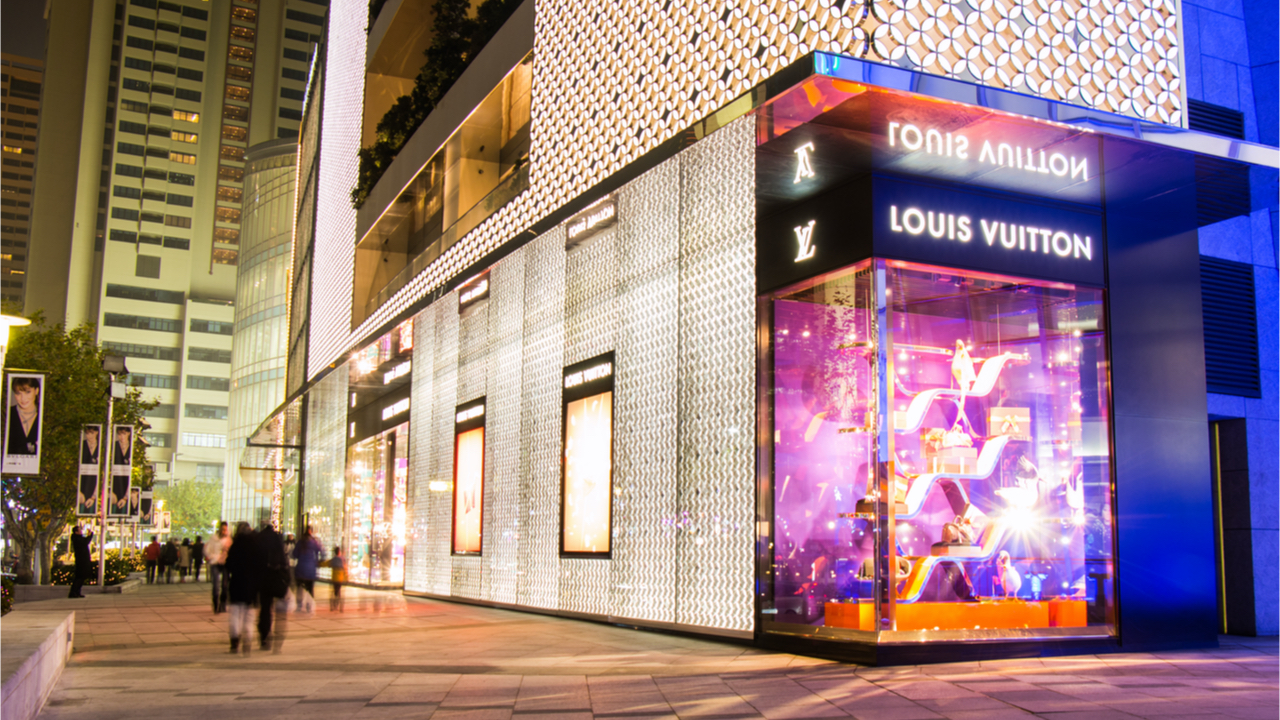
LVMH’s Louis Vuitton is expected to increase prices in China by as much as 20 percent as luxury labels bank on a strong rebound of Chinese demand following the easing of Covid-19 lockdowns.
Last February, Louis Vuitton led the way to a string of price hikes from some of the industry’s biggest names.
With soaring demand fuelled by shoppers drawing on savings from pandemic lockdowns, high-end labels have been raising prices over the past few years.
Bloggers on China’s social media platform Xiaohongshu are forecasting price increases at Louis Vuitton of between 8 percent and 20 percent on February 18.
Users of the Xiaohongshu site often cite sales associates for the fashion labels and have a track record of correctly predicting price increases but do not always specify their sources.
Last month, LVMH executives signaled limited price hikes, mainly for leather goods.
Louis Vuitton, which sells a popular tote bag called Neverfull for US$1609.35, raised prices in France by around 3 percent to 7 percent this month.



SQM Q1 Profit More Than Doubles as Lithium Prices Surge
SpaceX Delays Starship V3 Launch Ahead of Potential Record IPO
European Stocks Rise as AI Optimism Offsets U.S.-Iran Tensions
Canada and Germany Advance Major LNG Supply Partnership
Xiaomi Shares Drop After Weak Q1 Earnings Amid Rising Smartphone Costs
Columbia Student Mahmoud Khalil Fights Arrest as Deportation Case Moves to New Jersey
6 simple questions to tell if a ‘finfluencer’ is more flash than cash
Yen Stays Near Intervention Zone as Iran Conflict Supports U.S. Dollar
Oil Prices Jump After New U.S. Strikes on Iran Raise Supply Concerns
U.S. Launches New Strikes on Iran as Trump Signals Peace Deal Uncertainty
Britain has almost 1 million young people not in work or education – here’s what evidence shows can change that
The American mass exodus to Canada amid Trump 2.0 has yet to materialize
European EV Sales Surge in April 2026 as Tesla and Chinese Automakers Gain Ground
Australia Sues 3M for Over A$2 Billion Over PFAS Firefighting Foam Contamination
Debate over H-1B visas shines spotlight on US tech worker shortages 


