


 Texas Republicans Turn Against AI Data Centers as Election Backlash Grows
  Trump Targets 1,000 U.S. Space Launches Annually by 2030
  France Targets Shein, Temu With Fast-Fashion Fees
  Japan Foreign Reserves Plunge $79.6 Billion After Record Yen Intervention
  OPEC+ Expected to Hold October Oil Output Steady
  Oil Prices Rise as Hormuz Tensions Threaten Supply
  Gold Prices Rise as Yen Rally Weakens Dollar
  China Exports Surge 25% in August as Trade Surplus Hits $119 Billion
  Iran Allows Iraqi Oil Tankers Through Strait of Hormuz
  UK House Prices Fall for First Time Since 2023
  Guatemala Receives 2,300 Mexicans Deported From US
  US Tightens Cuba Sanctions, Targets Officials and State Entities
  SEC Sues Former Tricolor Executives Over $1.9 Billion Investor Fraud Scheme
  U.S. Issues Cuba Health Alert as Illnesses Rise
  Trump Orders U.S. Navy to Return to Steam Catapults for Aircraft Carriers
  Trump Administration Moves to Strip ABA of Law School Accreditor Status
  Australia Plans New Rules Giving Users Control Over Social Media Feeds


 Add as a preferred source on Google
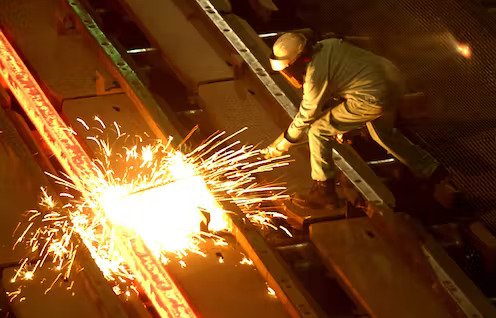
China has announced it will continue strict regulation of crude steel output and prohibit the addition of illegal new capacity from 2026 to 2030, reinforcing its long-term strategy to curb overcapacity and reduce carbon emissions. As the world’s largest steel producer and consumer, China first halted growth in crude steel production in 2021, aligning industrial policy with its climate goals and broader supply-side reforms.
The policy comes as China’s steel industry continues to grapple with weak domestic demand, largely driven by a prolonged downturn in the property market. Reduced construction activity has weighed heavily on steel consumption, leaving producers facing persistent oversupply and margin pressure. According to official data, China’s crude steel output fell 4% year-on-year in the first 11 months of 2025, putting full-year production on track to drop below 1 billion tons for the first time in six years.
In a statement, the National Development and Reform Commission (NDRC) said the raw materials sector, including steel, is struggling with an imbalance between supply and demand. The agency emphasized that deeper supply-side reform will be a key priority during the Fifteenth Five-Year Plan period from 2026 to 2030, adding that the industry must promote “survival of the fittest” to improve efficiency and competitiveness.
While domestic demand has weakened, China’s steel exports have remained strong since 2023, helping mills offset losses at home. However, the surge in exports has triggered a growing protectionist response globally. An increasing number of countries have imposed trade barriers, arguing that low-priced Chinese steel products harm local manufacturers and distort markets.
In response to mounting trade tensions, Beijing recently unveiled plans to introduce a licensing system from 2026 to regulate exports of around 300 steel-related products. The move signals tighter oversight of outbound shipments and reflects China’s intention to balance industrial stability, environmental goals, and international trade pressures as it reshapes its steel sector over the next decade.







