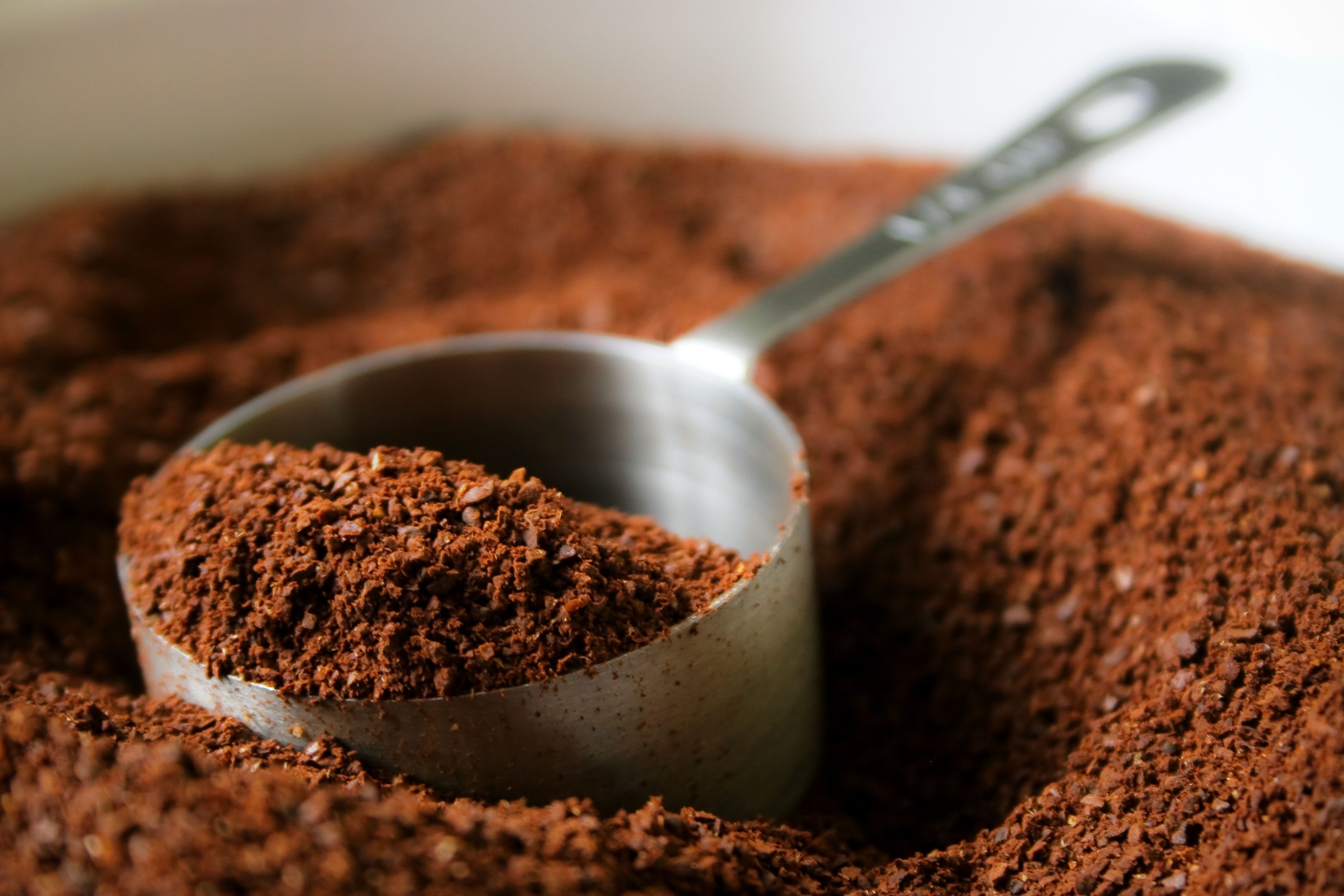
The Ministry of Environment signed an agreement with several entities to turn coffee grounds into deodorants using microorganism fermentation techniques to eliminate the stench at livestock farms.
The other signatories were Hyundai Steel Co., the city of Incheon, North Gyeongsang Province, the Korea Productivity Center, and the Korea Green Foundation.
The ministry estimates that using coffee grounds to replace sawdust used at cow farms, which typically costs 200,000 won per ton, could lead to savings of 20 billion won.
On the other hand, processing pig excrement into manure costs 50,000 won per ton, and replacing it with 100,000 tons of coffee waste could save 5 billion won.
The ministry noted that a cup of Americano typically requires 15 grams of coffee beans, 99.8 percent of which is then discarded as waste.
Last year, almost 150,000 tons of coffee grounds were generated in South Korea.


Is space worth the cost? Accounting experts say its value can’t be found in spreadsheets
Asian Currencies Edge Higher as Markets Look to Fed Rate Cut; Rupee Steadies Near Record Lows
Blue Origin’s New Glenn Achieves Breakthrough Success With First NASA Mission
NASA Cuts Boeing Starliner Missions as SpaceX Pulls Ahead
Neuren Pharmaceuticals Surges on U.S. Patent Win for Rare Disorder Drug
BOJ Governor Ueda Highlights Uncertainty Over Future Interest Rate Hikes
China Urged to Prioritize Economy Over Territorial Ambitions, Says Taiwan’s President Lai
Australia’s Economic Growth Slows in Q3 Despite Strong Investment Activity
Eli Lilly’s Inluriyo Gains FDA Approval for Advanced Breast Cancer Treatment
Trump Signs Executive Order to Boost AI Research in Childhood Cancer
Lost in space: MethaneSat failed just as NZ was to take over mission control – here’s what we need to know now
Kennedy Sets September Deadline to Uncover Autism Causes Amid Controversy
NASA Astronauts Wilmore and Williams Recover After Boeing Starliner Delay
Spain’s Industrial Output Records Steady Growth in October Amid Revised September Figures
Trump and Merck KGaA Partner to Slash IVF Drug Costs and Expand Fertility Coverage 


