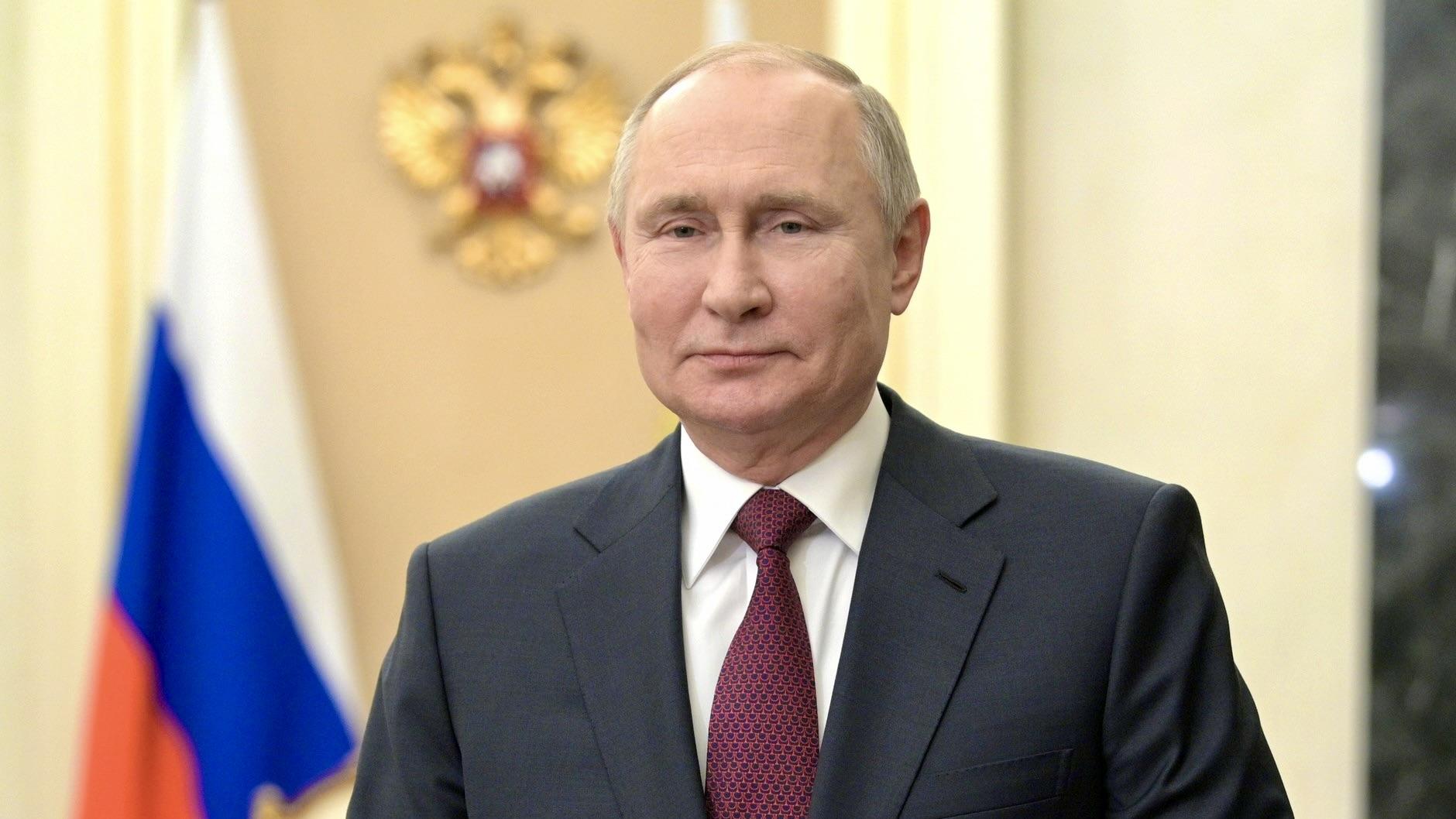
U.S. national security officials have concluded that Ukraine did not attempt to assassinate Russian President Vladimir Putin or target one of his residences in a recent drone incident, according to a Wall Street Journal report published Wednesday. This assessment directly contradicts claims made by Russian authorities, who alleged earlier this week that Ukraine launched a large-scale drone attack aimed at Putin’s property in the Novgorod region.
On Monday, Russia asserted that as many as 91 long-range drones were involved in what it described as an attempted strike on a residence linked to the Russian president. Moscow framed the incident as a serious escalation in the ongoing war and suggested it was a direct threat to Putin’s personal safety. Ukrainian officials swiftly denied the accusation, stating that Ukraine had no involvement in any attack targeting Putin or his personal assets.
The U.S. intelligence finding adds a new dimension to the dispute, casting doubt on the Kremlin’s narrative and raising questions about the accuracy of Russia’s claims. According to the Wall Street Journal, American officials reviewed available intelligence and found no evidence supporting the assertion that Ukraine carried out a targeted drone strike against the Russian leader or his residence. While details of the intelligence review were not made public, the conclusion underscores skepticism among Western officials regarding Russia’s version of events.
Despite the lack of corroborating evidence, Russia responded forcefully to the alleged incident. Kremlin officials vowed retaliation and warned that the purported attack would influence Russia’s stance on future peace negotiations with Ukraine and Western countries. Such statements heightened concerns about further escalation in a conflict that has already strained international relations and global security.
The situation highlights the broader information war surrounding the Russia-Ukraine conflict, where competing narratives and unverified claims frequently emerge. For Ukraine, the U.S. assessment reinforces its repeated position that it does not conduct attacks aimed at assassinating foreign leaders. For Western allies, the findings emphasize the importance of independently verifying claims made by parties to the conflict before drawing conclusions or shaping policy responses.
As the war continues, incidents like this underscore how allegations of high-profile attacks can quickly inflame tensions, even when evidence remains disputed.