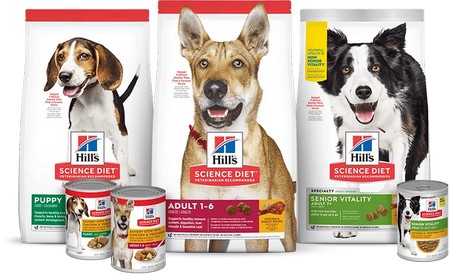
Colgate-Palmolive plans to buy three pet food plants from Red Collar Pet Foods for $700 million to support the capital expenditures of its Hill’s Science Diet division business for pet foods.
Those plants, in Orangeburg, S.C.; Clinton, Okla., and Washington Court House, Ohio, will produce dry pet food, and approximately 350 employees will be offered jobs at Colgate-Palmolive.
In addition, the company is currently building a new canned pet food plant in Tonganoxie, Kansas, scheduled to begin production next year, and acquired a canned pet food plant in Italy in April.
The Hill’s Science Diet division had the fastest growth of any major Colgate-Palmolive division in the quarter ending in July.
Hill’s operating profit for that quarter was $212 million, which was about 24 percent of the profit for the company as a whole. Net sales for Hill’s products were up 15 percent, and organic sales up 18 percent.
CEO Noel Wallace said that with their business growing well, they will continue to invest to expand production capacity, improve their capabilities with initiatives like their new Small Paws Innovation Center, and better engage pet parents, veterinarians, and their retail partners.