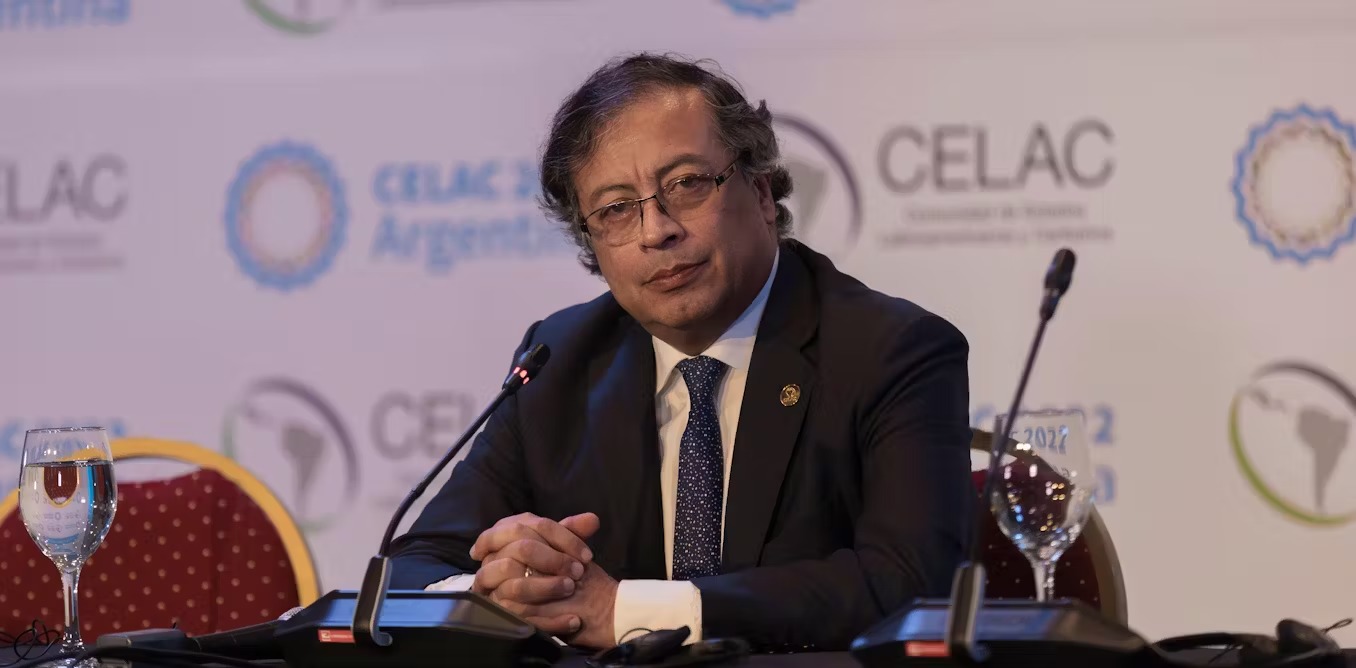
Colombian President Gustavo Petro announced on Monday that the recently imposed 100% tariff on Ecuadorean goods will not apply universally, signaling a more measured approach to the ongoing trade dispute between the two neighboring nations. Speaking during a televised cabinet meeting, Petro revealed that targeted subsidies and "smart tariffs" would be introduced to manage the economic impact of the escalating tensions.
The announcement comes days after Colombia raised its import tariffs on Ecuadorean products, a direct response to Ecuador having implemented a similar measure just one day prior. The tit-for-tat trade actions have deepened a diplomatic rift that has been growing between the two South American countries, raising concerns among businesses and economists who rely on cross-border commerce in the region.
By introducing a selective tariff framework rather than a blanket increase, President Petro appears to be attempting to strike a balance between protecting Colombian industries and avoiding severe disruptions to trade flows. The use of subsidies alongside the revised tariff structure suggests the government is aware of the potential economic consequences a full-scale trade standoff could have on Colombian consumers and producers alike.
The Colombia-Ecuador trade dispute highlights the fragile nature of bilateral trade relationships in Latin America, where political tensions can quickly translate into economic policy shifts. Observers are watching closely to see whether Ecuador will respond in kind or pursue diplomatic channels to de-escalate the situation.
As both governments navigate this period of uncertainty, businesses operating across both markets are advised to monitor policy updates closely. The introduction of smart tariffs could either ease tensions or set the stage for further negotiations, making the coming weeks critical for the future of Colombia-Ecuador trade relations.