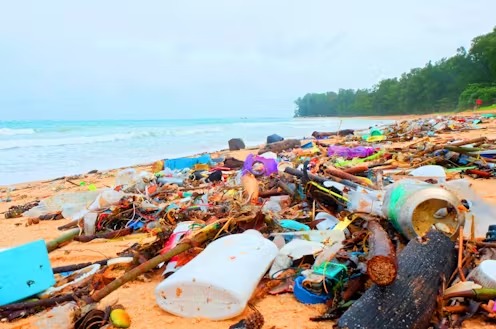
Our beaches are in trouble. Limited recycling programs and a society that throws away so much have resulted in more than 3 million tonnes of plastic polluting the oceans. An estimated 1.5–1.9% of this rubbish ends up on beaches.
So can waste-management strategies such as container deposit schemes make a difference to this 50,000–60,000 tonnes of beach rubbish?
The Queensland government started a container deposit scheme in 2019. We wanted to know if it reduced the rubbish that washed up on beaches in a tourist hotspot, the Whitsundays region.
To find out, our study, the first of its kind, used data from a community volunteer group through the Australian Marine Debris Initiative Database.
It turned out that for the types of rubbish included in the scheme – plastic bottles and aluminium cans – the answer was an emphatic yes.
Container deposit schemes work
After the scheme began, there were fewer plastic bottles and aluminium cans on Whitsundays beaches. Volunteer clean-up workers collected an average of about 120 containers per beach visit before the scheme began in 2019. This number fell to 77 in 2020.
Not only that, but those numbers stayed down year after year. This means people continued to take part in the scheme for years.
Rubbish that wasn’t part of the scheme still found its way to the beaches.
However, more types of rubbish such as larger glass bottles are being added to the four-year-old Queensland scheme. Other states and territories have had schemes like this for many years, the oldest in South Australia since 1971.
But we didn’t have access to beach data from before and after those schemes started. So our findings are great news, especially as some of these other schemes are set to expand too. The evidence also supports the creation of new schemes in Victoria this November and Tasmania next year.
These developments give reason to hope we will see further reductions in beach litter.
The NSW container deposit scheme legislated in 2016 has now seen 10 billion containers returned.
— Mark Speakman (@MarkSpeakman) September 16, 2023
Drink container litter in NSW has decreased by more than 50%. https://t.co/k6dHoC6UOc
The data came from the community
To find out whether the scheme has reduced specific sorts of rubbish on beaches we needed a large amount of data from before and after it began.
The unsung heroes of this study are the diligent volunteers who provided us with these data. They have been recording the types and amounts of rubbish found during their cleanups at Whitsundays beaches for years.
Eco Barge Clean Seas Inc has been doing this work since 2009. In taking that extra step of counting and sorting the rubbish, they may not have known it at the time, but they were creating a data gold mine. We would eventually use their data to prove the container deposit scheme works.
The rubbish clean-ups are continuing. This means we’ll be able to see how adding more rubbish types to the scheme will further reduce rubbish on beaches.
The long-term perspective we can gain from such data is testament to this sustained community effort.
There’s still more work to do
So if we recycle our plastics, why do we still get beaches covered in rubbish? The reality is that most plastics aren’t recycled. This is mainly due to two problems:
- technological limitations on the sorting needed to avoid contamination of waste streams
- inadequate incentives for people to reduce contamination by properly sorting their waste, and ultimately to use products made from recycled waste.
Our findings show we can create more sustainable practices and a cleaner environment when individuals are given incentives to recycle.
However, container deposit schemes don’t just provide a financial reward. Getting people directly involved in recycling fosters a sense of responsibility for the environment. This connection between people’s actions and outcomes is a key to such schemes’ success.
Our study also shows how invaluable community-driven clean-up projects are. Not only do they reduce environmental harm and improve our experiences on beaches, but they can also provide scientists like us with the data we need to show how waste-management policies affect the environment.
Waste management is a concern for communities, policymakers and environmentalists around the world. The lessons from our study apply not only in Australia but anywhere that communities can work with scientists and governments to solve environmental problems.