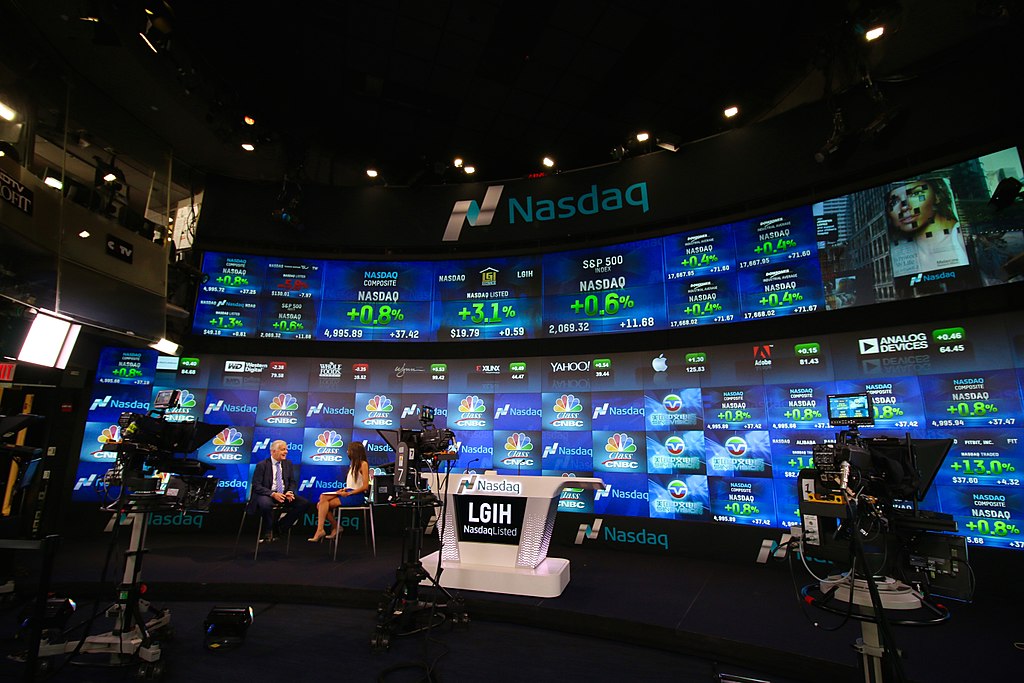
CoreWeave, the Nvidia-backed AI infrastructure firm, saw its shares open nearly 3% below the $40 IPO price and close flat on its Nasdaq debut, valuing the company at $23 billion on a fully diluted basis. Despite raising $1.5 billion, the IPO’s lukewarm reception highlights investor caution in volatile markets, particularly as the tech-heavy Nasdaq dropped 2.7% amid tariff concerns.
Wall Street’s subdued appetite for AI-related IPOs is compounded by fears over capital intensity, financial risk, and reliance on big clients. CoreWeave’s rapid pivot from crypto mining to AI infrastructure has paid off in revenue, which surged eightfold last year. However, 77% of its 2023 revenue came from just two clients—primarily Microsoft—raising concerns about customer concentration.
To address this, CoreWeave secured a $11.9 billion, five-year deal with OpenAI ahead of its IPO, aiming to diversify its revenue streams. Still, skeptics remain cautious as Microsoft’s evolving data center strategy could influence demand. CoreWeave insists its Microsoft contracts remain unchanged.
Founded in 2017 as an Ethereum miner, CoreWeave transitioned to AI after Ethereum’s 2022 upgrade eliminated mining incentives. Today, it provides access to 32 leased data centers packed with in-demand Nvidia GPUs, essential for AI development.
Despite investor worries over its $8 billion in debt and $2.6 billion in lease liabilities, CoreWeave plans to use $1 billion from the IPO to reduce debt. CEO Mike Intrator remains optimistic, emphasizing ongoing demand for AI infrastructure and noting that the current cycle represents one of the biggest tech shifts in history.
The IPO, led by Morgan Stanley, JPMorgan, and Goldman Sachs, marks the largest AI-related offering since 1995, according to Dealogic. However, its modest performance could cloud the outlook for future AI listings.