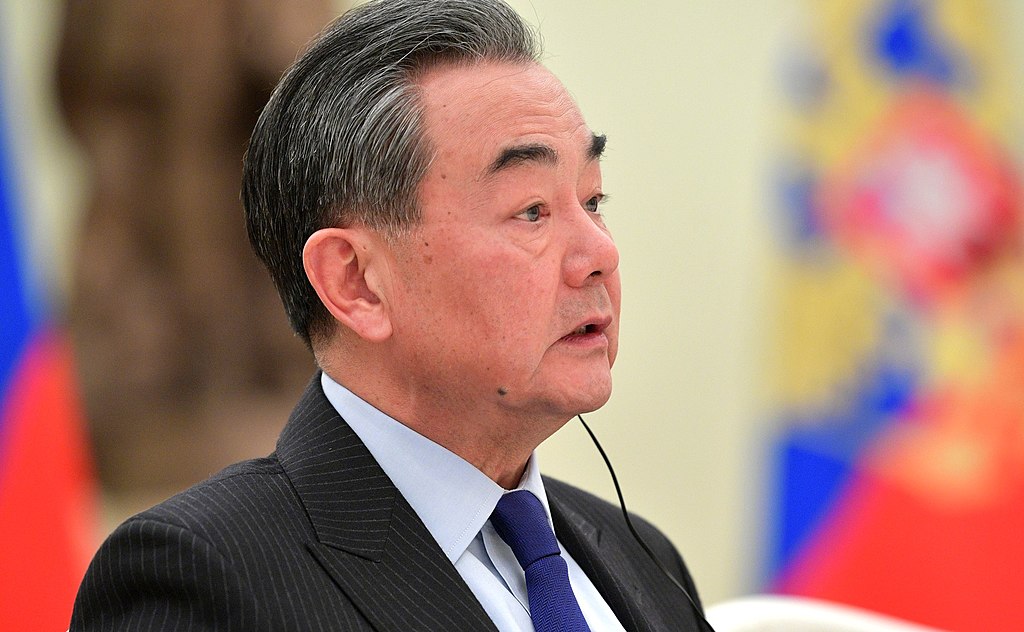
Chinese Foreign Minister Wang Yi strongly criticized the United States' decision to increase tariffs on Chinese goods, calling the move baseless and harmful to global trade. In an interview with Russia’s RIA state news agency, Wang stated that the tariff hikes will not resolve America's internal issues and will instead damage the international market and trade system.
Wang emphasized that these actions could severely impact Washington’s credibility on the world stage. “These tariffs will not solve the existing problems of the United States,” he said, “but will cause serious damage not only to the global market and trade order, but also to the reputation of the United States itself.”
The comments come amid escalating trade tensions between the two economic superpowers. The Biden administration’s continued use of protectionist measures echoes the previous administration’s stance, drawing criticism from China and other global trade partners. Beijing argues that such measures disrupt the global supply chain and create unnecessary uncertainty in international markets.
Wang’s remarks highlight China's growing concerns over the long-term effects of Washington’s trade policies, especially as global economies strive for recovery. Analysts warn that prolonged tariff disputes could lead to higher prices for consumers and strain diplomatic relations further.
The Chinese government has consistently urged the U.S. to return to a path of dialogue and cooperation rather than economic confrontation. As the global economy remains fragile post-pandemic, Wang stressed the importance of mutual respect and fair trade practices to ensure sustainable growth.
With tensions high and no resolution in sight, the global market watches closely as the U.S.-China trade conflict continues to unfold.