


 France Targets Shein, Temu With Fast-Fashion Fees
  Bessent Presses Japan on Fiscal Policy as Yen Struggles
  Venezuela Nears Deal to Move $4 Billion in Gold to New York Fed
  Australia Plans New Rules Giving Users Control Over Social Media Feeds
  FAA Allows Boeing to Sell 35 More 777F Freighters Beyond 2028
  US Officials Meet Houthis in Oman Amid Yemen Offensive
  NATO Commander Joins US Review of Troop Deployments in Europe
  Houthis Seize Bab el-Mandeb as Military Power Grows
  Trump Administration Removes Confederate Memorial Criticism From Arlington Website
  Synthetic data could ease people’s concerns about privacy breaches. But who gets to create it?
  Japan, U.S. Discuss $19 Billion GlobalFoundries Chip Plant
  France Urges Faster AI Push Despite Safety Risks
  Najib Razak Granted House Arrest Until 2028
  Texas Republicans Turn Against AI Data Centers as Election Backlash Grows
  Trump Hopes Iran War Nears End as Yemen Fighting Escalates
  US-China Experts Push AI Nuclear Safeguards to Prevent Military Escalation
  Trump Grants Clemency to Jay-Z Associate Emory Jones


 Add as a preferred source on Google
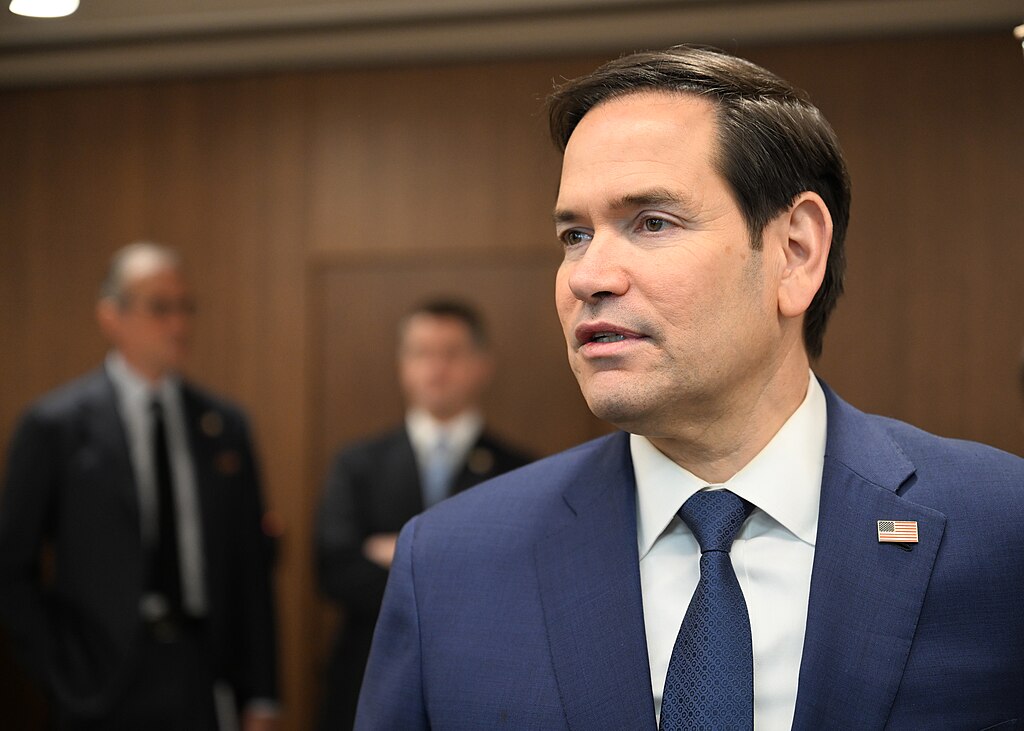
The United States has imposed new visa restrictions on Chinese officials over limited access to Tibet for American diplomats, journalists, and international observers, Secretary of State Marco Rubio announced Monday.
Rubio criticized the Chinese Communist Party (CCP) for blocking foreign access to the Tibet Autonomous Region (TAR) and surrounding Tibetan areas, while Chinese diplomats and media enjoy broad freedom in the U.S. “This lack of reciprocity is unacceptable and will not be tolerated,” he said, demanding “unrestricted access” for U.S. personnel.
While the statement did not identify which officials were targeted or specify details of the restrictions, it reflects growing U.S. frustration with Beijing’s policies in Tibet. Rubio also noted that U.S. diplomats are unable to support American citizens traveling in the region due to Chinese limitations.
China has controlled Tibet since 1950, calling it a "peaceful liberation" from feudal rule. However, Tibetan exiles and international human rights groups continue to denounce what they describe as China's oppressive governance, suppression of religious freedom, and cultural assimilation policies.
Despite tensions, the United States officially recognizes Tibet as part of China. Still, Washington has repeatedly urged Beijing to respect the rights of Tibetans and allow them to preserve their language, culture, and religious practices without government interference.
The move adds to a long list of disputes straining U.S.-China relations, including trade conflicts, technology bans, Taiwan, human rights issues, and concerns over the origins of COVID-19. As diplomatic tensions persist, the visa restrictions highlight ongoing international concern over human rights and access to restricted regions like Tibet.







