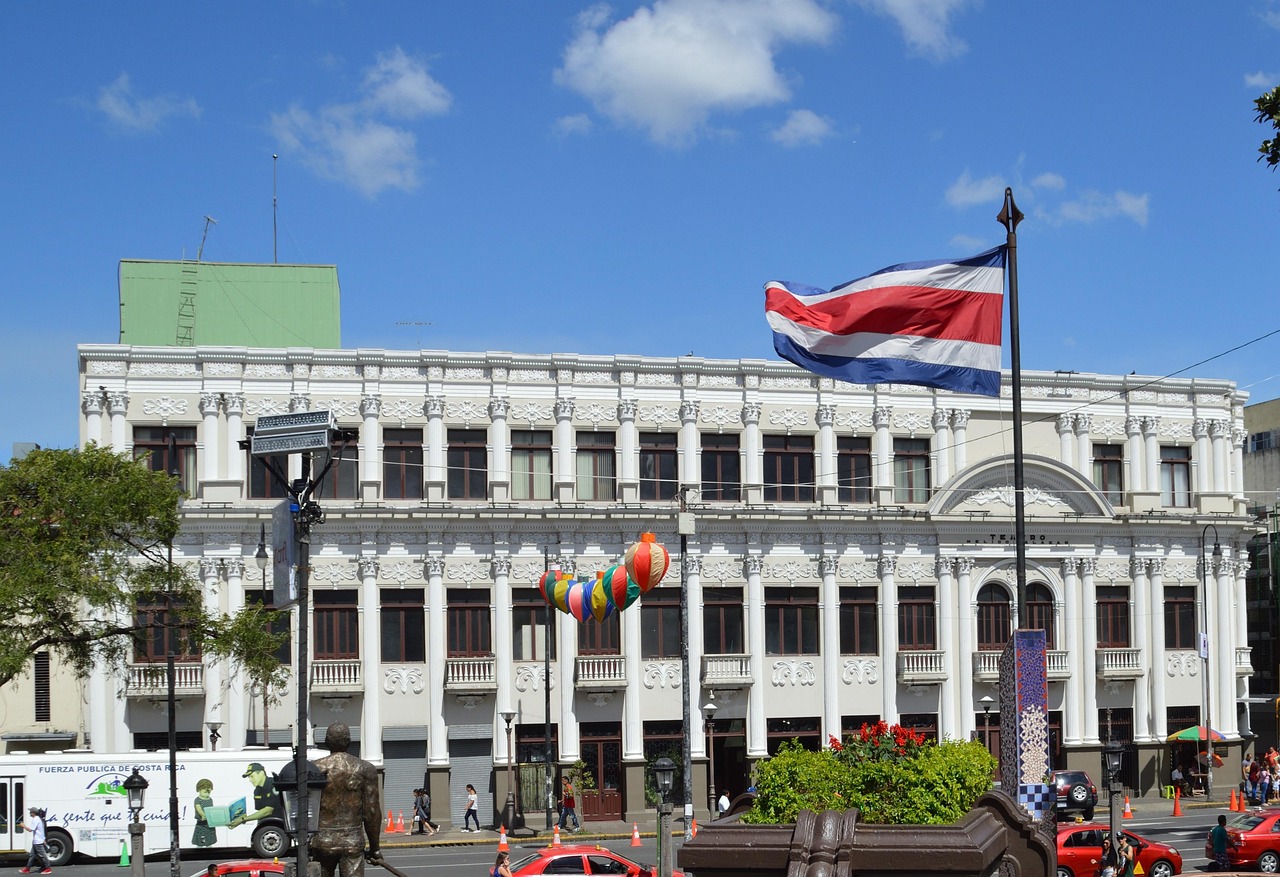
Costa Rica officially welcomed its first group of U.S.-deported migrants on Saturday, marking a significant milestone in a bilateral deportation agreement signed between the two nations in March. The group comprised 25 individuals representing eight nationalities — including citizens from Albania, Cameroon, China, Guatemala, Honduras, India, Kenya, and Morocco — none of whom are Costa Rican nationals.
According to Costa Rica's General Directorate of Migration and Foreigners, arriving migrants are being provided immediate primary care through the Professional Migration Police, working in close coordination with the International Organization for Migration (IOM). Under the terms of the agreement, Costa Rica is set to accept up to 25 deportees per week. In return, the United States is providing financial assistance, while the IOM covers food and temporary accommodation for the migrants' first seven days in the country.
This arrangement is a key component of President Donald Trump's expanded mass deportation initiative, which increasingly targets third-country removals — the practice of deporting individuals to nations other than their country of origin. The Trump administration argues this approach is essential for removing migrants whose home countries refuse repatriation.
However, the policy has drawn sharp criticism from human rights organizations and Democratic lawmakers, who argue it leaves vulnerable individuals stranded in unfamiliar countries where they have no family connections and often do not speak the local language. A February report by Democrats on the Senate Foreign Relations Committee raised further concerns, revealing that some of these foreign deportation deals have cost American taxpayers over one million dollars per person removed — a price critics say yields minimal measurable benefit.
As the program expands, debates around its humanitarian impact, financial sustainability, and legal standing are expected to intensify on both the domestic and international stage.