


 Oracle Uses Trucked Natural Gas to Power AI Data Centers Amid Pipeline Delays
  Meta Launches Muse Wonder AI Models, Shares Rise 3.7%
  Amazon in Talks to Acquire AI Startup Decart for $7 Billion
  Jameson Lopp Downplays AI Threat to Bitcoin Cryptography
  Tencent Shares Fall as $5 Billion AI Bond Sale Weighed
  Anthropic Launches Claude Dashboards and Motion AI Tools
  Apple Supplier Luxshare Faces US Patent Probe, Sees Limited Impact
  Elon Musk Accuses Indian Telecom Giants of Blocking Starlink Launch
  Zcash Plans Quantum-Resistant Security Upgrade for January
  Amazon Cuts More Jobs as AI Investment Expands
  Apple Names Steve Smith M&A Chief in Leadership Shakeup
  Apple Supplier Luxshare Sees Limited Impact From US Patent Probe
  Robinhood Chain Eyes Priority Gas Auctions for Faster Trades
  US Suspends Microsoft, Adobe From Green Card Program
  Nvidia’s China AI Chip Market Share Falls to 34% as Huawei Gains Ground
  Samsung, SK Hynix Shares Plunge as China Chip Competition Grows


 Add as a preferred source on Google
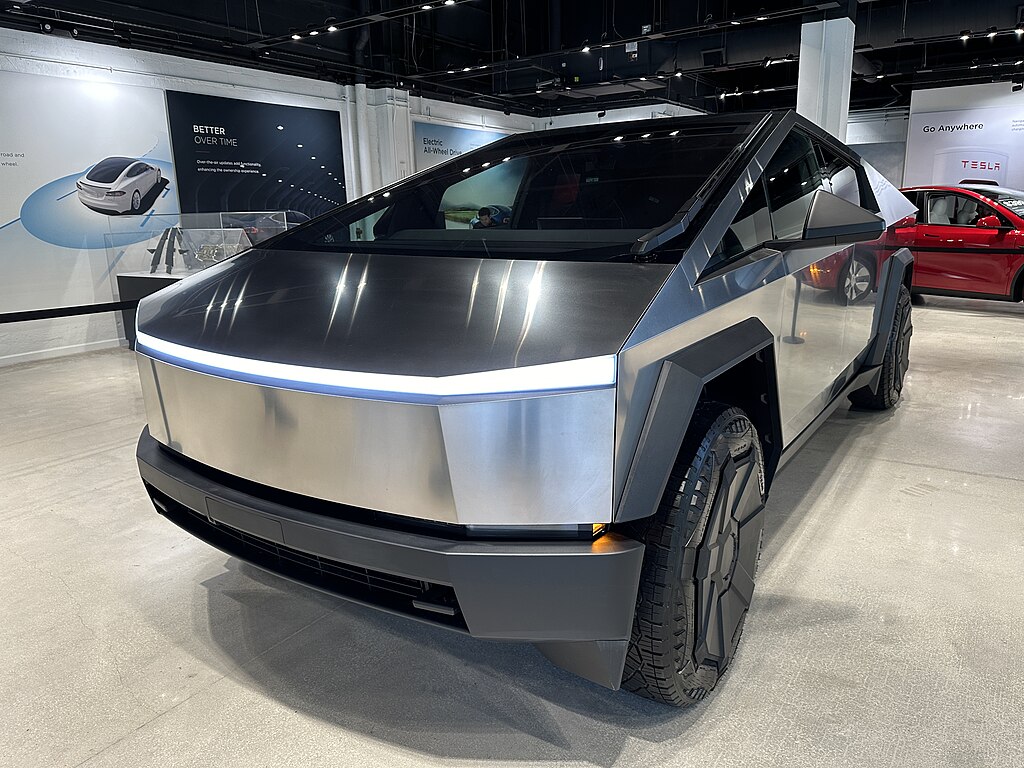
Although Tesla put a no-resale provision on the Cybertruck, scalpers remain. Customers must wait a long time due to strong demand and low supply, which makes the secondary market an attractive playground for resellers. The conflict between Tesla and scalpers serves as a reminder of how difficult it is to balance supply and demand in the quickly changing electric car industry.
Tesla added no-resale language to the Foundation Series Cybertruck sales contract in an audacious bid to control the secondary market. This action has kept scalpers from trying to make money from the trendy electric car.
An Unbound Market
Cybertruck owners are developing inventive ways to get beyond Tesla's resale restriction despite the company's best efforts to impose it. While some openly advertise their cars for sale at exorbitant prices, others provide lease arrangements. This pattern is similar to earlier attempts by Ford to restrict resale of its GT and F-150 Lightning models, which met with only patchy success.
The lengthy waiting for reservations and the Cybertruck's restricted initial manufacturing drive demand for the vehicle. Tesla's Q4 2023 shareholder letter states that the Texas plant can produce 125,000 units annually. Elon Musk, the CEO, projects 250,000 units to be sold by 2025.
The Time-Based Race
Many clients are left wondering how long it will take for their Cybertrucks because of the enormous demand. Tesla executives have not given precise information about the current length of the reservation list and the anticipated timeframe for completing existing reservations.
Musk acknowledged that because of Cybertruck's intricate manufacturing process, the ramp-up period for production will be more extended than for previous models. The base model, which has a 250-mile range and costs $60,990, is anticipated to ship in 2025.
Scalper's Playground
The lengthy wait times and strong demand have created the ideal environment for scalpers. These people are taking advantage of the market inefficiencies brought forth by Tesla's production limitations by buying a Cybertruck and then reselling it for a profit.
This circumstance calls into question the enforceability and efficacy of no-resale agreements. It is still being determined if the secondary market will level off or if scalpers will keep making money as Tesla increases production.
With the globe moving toward greener modes of transportation, the Cybertruck is a significant advancement in electric vehicle technology. The fight against scalpers, however, highlights the difficulties in balancing a limited supply with a high demand in today's quickly changing market.
Ultimately, the enormous demand for the Cybertruck has not prevented scalpers from taking advantage of Tesla's no-resale rule. Despite the company's efforts to restrict it, the secondary market is still active because of significant wait times and limited production. The tale of the Cybertruck serves as a reminder of the intricate dynamics at play in the realm of cutting-edge technology and customer demand as Tesla strives to increase production and complete outstanding orders.








