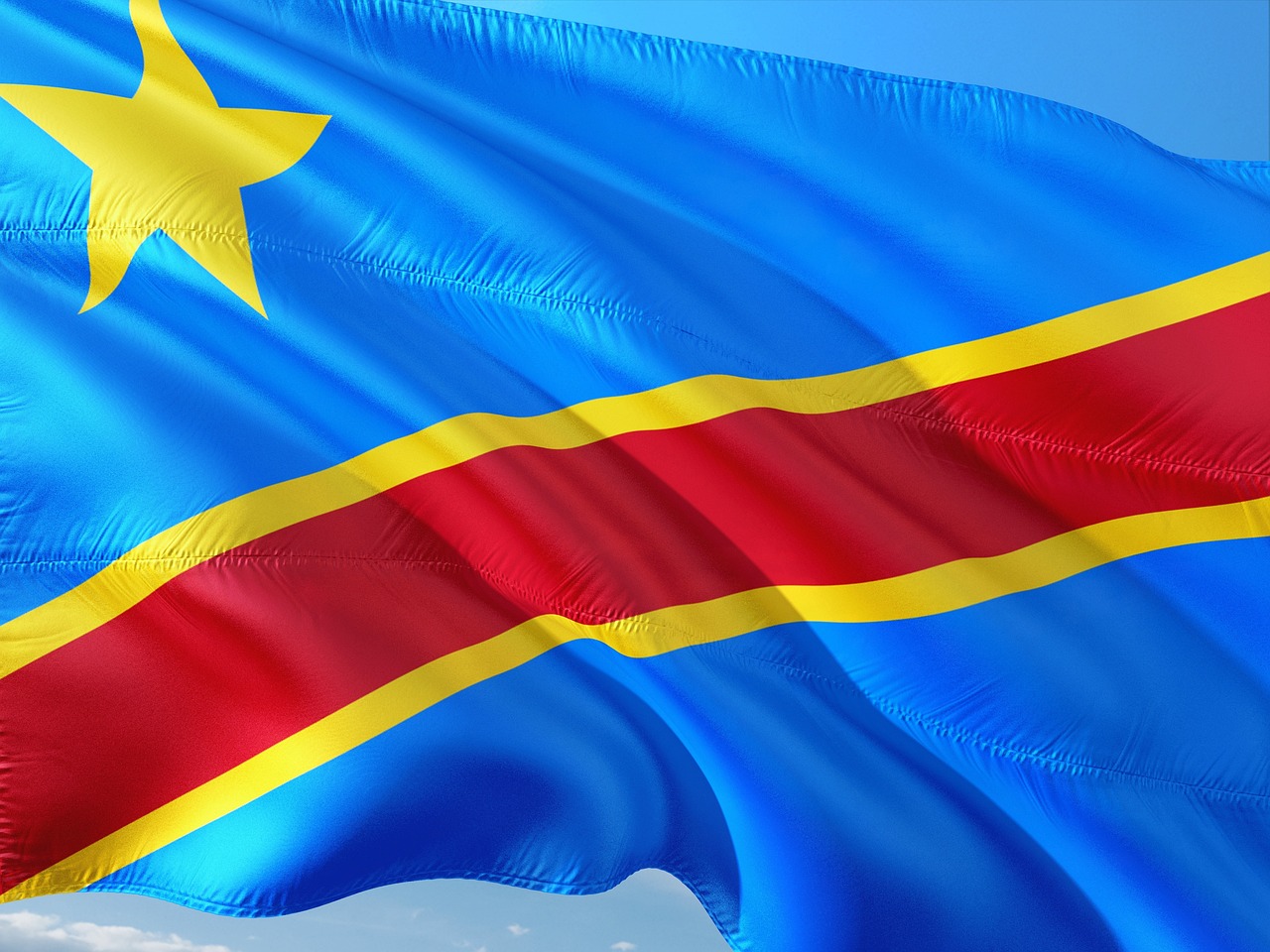
The Democratic Republic of Congo and the M23 rebel group have signed a new framework agreement in Doha, marking another attempt to end the prolonged conflict in eastern Congo. The deal, backed by the United States and Qatar, aims to halt violence that has killed thousands and displaced hundreds of thousands this year. While the signing represents progress, officials say substantial work remains to turn the framework into a lasting peace.
According to U.S. regional envoy Massad Boulos, the agreement outlines eight protocols, but only two—focused on prisoner exchanges and ceasefire monitoring—have been previously agreed upon, and even those have seen slow implementation. Boulos emphasized that peace efforts take time, noting that expectations for rapid results must be tempered by the complexities on the ground.
The M23 rebellion, widely believed to be supported by neighboring Rwanda—an allegation Rwanda denies—has advanced across North Kivu and South Kivu provinces and seized the strategic city of Goma earlier this year. The group’s recent territorial gains are the largest in its history, intensifying regional concerns.
Former U.S. diplomat Tibor Nagy warned that the conflict’s deep-rooted issues require more sustained diplomatic engagement, criticizing past efforts as too fragmented. He stressed that long-term trust-building is essential for meaningful progress.
Despite ongoing negotiations in Qatar and Washington, fighting in eastern Congo has persisted. Both Congo’s government and M23 accuse each other of violating earlier agreements and stalling discussions. Meanwhile, other armed groups continue to pose a major security threat. Local officials reported that militants allied with the Islamic State killed up to 28 people in North Kivu on Friday, underscoring the wider instability.
Qatari officials expressed optimism that the latest agreement could guide the parties toward peace. Minister of State for Foreign Affairs Mohammed bin Abdulaziz Al-Khulaifi said the deal reflects a commitment to dialogue, emphasizing that genuine peace is built through trust and mutual respect rather than force.
The new framework is a significant step, but its success will depend on sustained cooperation and concrete action from all sides involved.