Flight operations at Dallas Fort Worth International Airport (DFW) and Dallas Love Field (DAL) returned to normal Saturday after widespread disruptions caused by a major telecommunications outage. The Federal Aviation Administration (FAA) confirmed that multiple failures in telecom services provided by Frontier Communications triggered more than 2,000 flight delays and cancellations.
American Airlines, the largest carrier at DFW, said the outage began Friday around 2 p.m. CT and wasn’t resolved until Saturday morning, impacting more than 100,000 passengers. The airline was forced to cancel 530 flights Friday and 160 on Saturday, while diverting 65 others. American also reported over 350 delays and warned of potential residual impacts.
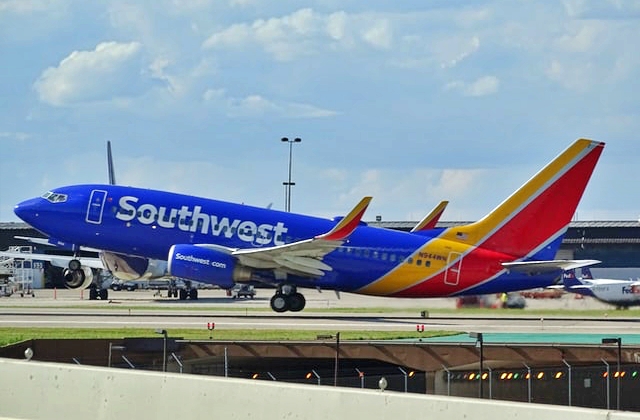
Southwest Airlines, which dominates operations at Dallas Love Field, delayed more than 1,100 flights on Friday—about a quarter of its schedule—and over 200 on Saturday. Despite significant delays, Southwest canceled only one flight, though it reported 580 extreme delays on Friday alone.
According to the FAA, the outage stemmed from cut fiber optic cables and switching gear issues that disrupted radar, radio, and computer systems at its Dallas Terminal Radar Approach Control center. Oversight failures by FAA contractor L3Harris further prevented system redundancies from functioning as designed.
American Airlines COO David Seymour criticized both Frontier and L3Harris, stating their response lacked urgency and leadership access was limited during the crisis. Frontier confirmed a third-party contractor in Argyle, Texas, accidentally cut fiber lines, while L3Harris acknowledged the telecom fault but said critical FAA services were restored quickly.
The incident underscores ongoing concerns about the fragile state of U.S. air traffic control systems. Congress recently allocated $12.5 billion to modernize the infrastructure, but Friday’s outage highlights the urgent need for upgrades to prevent future nationwide disruptions.