
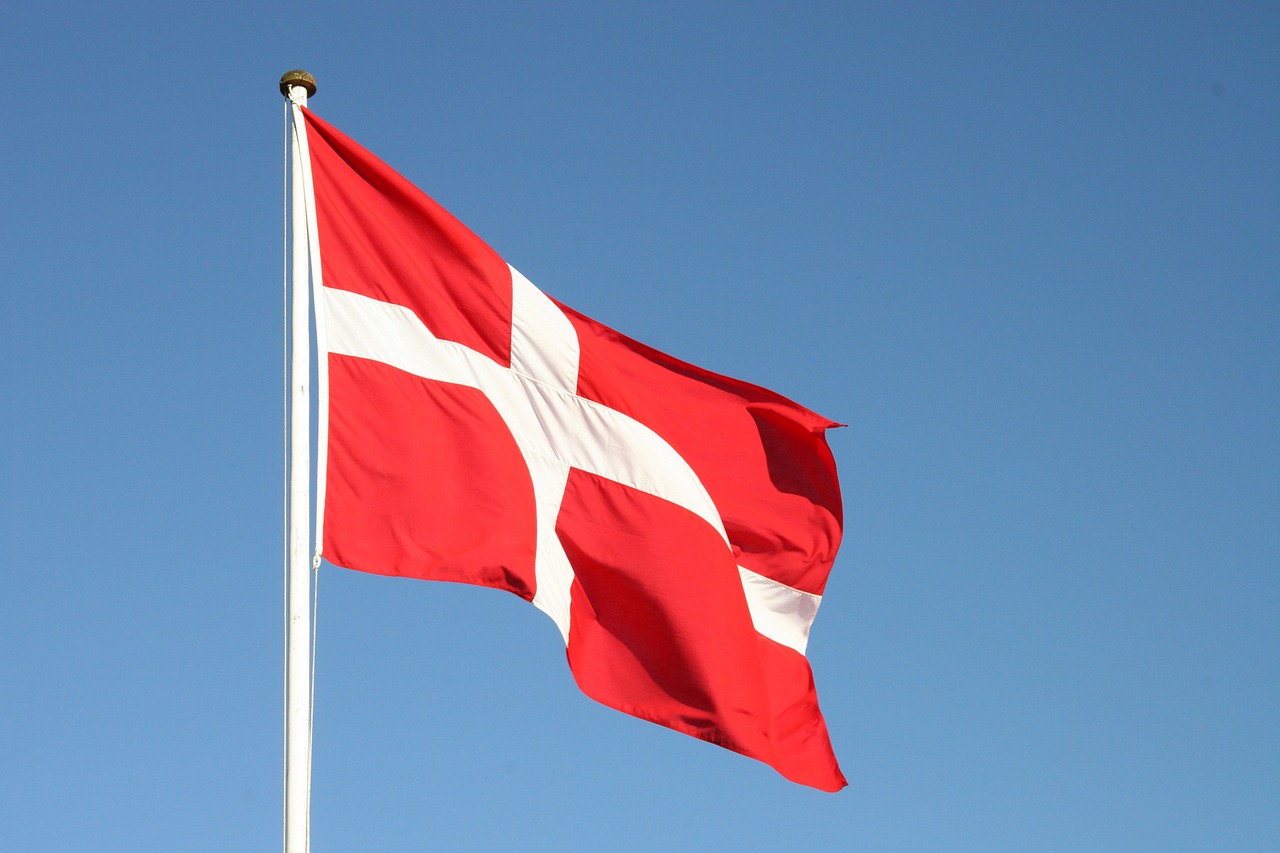
Today's rate hike by the Danish central bank is not wholly surprising after the National Bank's repeated intervention in 2015 to strengthen the krone. The National bank announced that it would raise the deposit rate from a record low of -0.75% to -0.65%. The National Bank said in the accompanying statement that the rate increase follows the sale of foreign exchange in the market. Since April 2015, the central bank has sold almost DKK280bn worth of foreign currency in order to protect the krone's long-standing peg to the euro.
Clearly, renewed weakness in the Danish currency could prompt additional rate hikes. However, there are three main reasons why it is unlikely. For a start, the National Bank sought to offset some of the tightening impact of the rate rise by reducing the limit on banks' current accounts at the central bank from DKK63bn to DKK32bn. As current account deposits are remunerated at the higher rate of 0%, a greater share of banks' holdings will now be subject to the lower deposit rate.
Furthermore, the krone has not been substantially weaker than the central rate of the peg's trading band, which lies at about to the euro. Indeed, today's action has already left the krone trading on the strong side of that central rate.
"We believe there will be renewed upward pressure on the krone given our expectation that the ECB will need to expand its QE programme later this year to combat low inflation and disappointing growth in the euro-zone. As such, we do not think further Danish rate rises are likely in the near term and expect the deposit rate to remain well below zero over the next couple of years", says Capital Economics in a research note.

