


 Australia Budget Deficit Narrows to A$22.3 Billion on Stronger Tax Revenue
  Central Banks Could Buy 20,000 Tonnes of Gold: BofA
  BlackRock’s Rick Rieder Favors Bonds Over Stocks as Treasury Yields Surge
  Gold Holds Near Seven-Week Low as Fed Rate Hike Bets Rise
  Global Central Banks Brace for More Rate Hikes as Inflation Risks Rise
  Yen Sinks as BOJ Rate Hike Fails to Impress Markets
  Asian Currencies Weaken as Dollar, Oil Prices Rise
  Japanese Yen Retreats as Dollar Rises Ahead of Fed, BOJ Rate Decisions
  U.S. Stock Futures Fall as Iran, Oil and AI Risks Rattle Markets
  China, US Extend Trade Truce Through January 10 After Trump-Xi Summit
  RBA Set for September Rate Hike as Inflation Stays High
  Fed Unveils Stablecoin Rules Under GENIUS Act
  RBI Uses $10 Billion Currency Swaps to Drain Excess Rupee Liquidity
  Fed’s Hammack Says Bond Yield Surge Is Not Driven by Inflation Fears
  BOJ Flags Import Costs and Yen Shocks as Persistent Inflation Risks
  Japan Factory Output Unexpectedly Falls 1.7% in August


 Add as a preferred source on Google
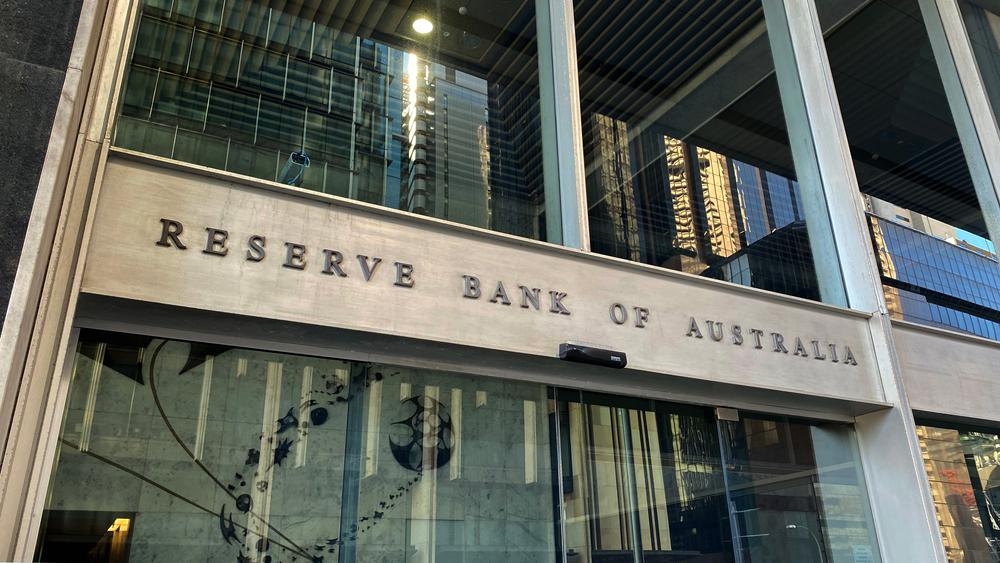
The Reserve Bank of Australia (RBA) raised interest rates by 25 basis points on Tuesday, lifting its benchmark cash rate to 3.85% from 3.65%, in a move that was widely anticipated by markets. The decision reflects the central bank’s growing concern over stubborn inflation and stronger-than-expected private demand in the Australian economy.
The rate hike follows a renewed rise in inflation toward the end of 2025, with core inflation once again climbing above the RBA’s long-standing target range of 2% to 3%. In its policy statement, the RBA signaled that further rate increases remain possible, noting that financial markets are now pricing in at least two additional hikes in 2026, a sharp shift from earlier expectations of a rate cut this year.
RBA Governor Michele Bullock emphasized that the central bank remains focused on balancing inflation control with employment stability. She clarified that a larger 50 basis point hike was not considered at the February meeting, underscoring that the overall monetary policy strategy has not changed. However, policymakers are increasingly questioning whether current financial conditions are restrictive enough, particularly as consumer spending and private demand continue to outperform forecasts.
The RBA revised its economic outlook, projecting that underlying inflation will peak at around 3.7% by mid-2026 and remain above the target range until early 2027. Headline consumer price index inflation is now expected to reach 3.6% in 2026, up from a previous forecast of 3.2%. Trimmed mean inflation is also forecast higher at 3.2% by the end of 2026.
While near-term GDP growth is expected to improve, the central bank warned that higher interest rates and persistent inflation could weigh on longer-term economic momentum. GDP growth is now forecast at 1.8% by the end of 2026, slightly lower than earlier estimates.
Financial markets reacted swiftly to the RBA decision. The Australian dollar jumped 1.1%, while the ASX 200 pared earlier gains but remained up 0.7%. Overall, investors interpreted the RBA’s tone as hawkish, reinforcing expectations that further interest rate hikes may be needed to restore price stability.







