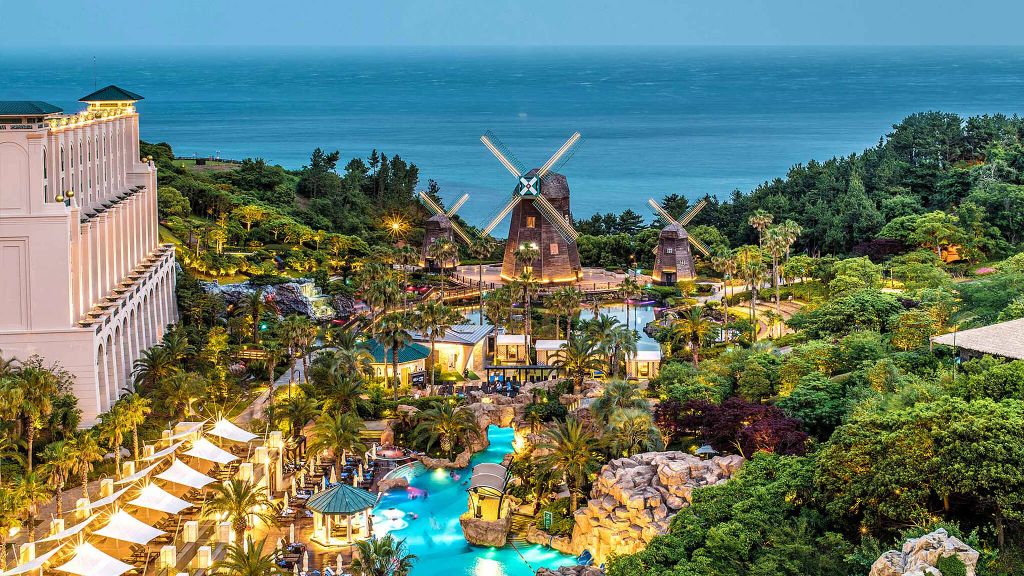
Demand for Jeju Island seafood and tourism is expected to drastically drop once Japan releases radioactive water from the Fukushima nuclear power plant into the ocean in April.
A nationwide survey by the Jeju Research Institute showed that 49.1 percent of 1,000 surveyed intended to reduce purchases of seafood from Jeju.
Of the respondents, 50.4 percent would cut back on buying conch, 48.4 percent on cutlassfish, 47.6 percent on yellow corvina, and 47.5 percent on halibut.
Jeju island’s fishing industry is expected to sustain losses of 448.3 billion won each year.
About half of the respondents also said they would reduce spending on tourism in Jeju.
Almost all of the respondents were aware of Japan’s decision to release the radioactive water.


Asian Markets Mixed as Fed Rate Cut Bets Grow and Japan’s Nikkei Leads Gains
Why financial hardship is more likely if you’re disabled or sick
Fungi are among the planet’s most important organisms — yet they continue to be overlooked in conservation strategies
How America courted increasingly destructive wildfires − and what that means for protecting homes today
Fertile land for growing vegetables is at risk — but a scientific discovery could turn the tide
Asian Currencies Steady as Rupee Hits Record Low Amid Fed Rate Cut Bets
Asian Currencies Steady as Markets Await Fed Rate Decision; Indian Rupee Hits New Record Low
Australia’s Economic Growth Slows in Q3 Despite Strong Investment Activity
Gold Prices Steady as Markets Await Key U.S. Data and Expected Fed Rate Cut
Youth are charting new freshwater futures by learning from the water on the water
What’s the difference between baking powder and baking soda? It’s subtle, but significant
Asia’s IPO Market Set for Strong Growth as China and India Drive Investor Diversification
Thousands of satellites are due to burn up in the atmosphere every year – damaging the ozone layer and changing the climate 


