


 Gaza Olive Harvest Collapses as War Destroys Farmland
  Italy’s Meloni Warns US-Russia Diesel Deal Could Weaken Ukraine Sanctions
  IMF Warns US Debt Crisis Needs Fiscal Action, Urges China to Boost Consumption
  Asian Currencies Steady as Dollar Nears 18-Month High Ahead of US CPI
  S&P 500 Futures Rise Ahead of US Inflation Data and Bank Earnings
  China Bank Lending Rebounds in September, Beats Forecasts
  Trump Defends Russian Diesel Deal Amid US Sanctions Backlash
  European Auto Stocks Rise as EU-China Trade Deal Targets Hybrid Imports
  Oil Prices Surge Above $106 After Deadly Saudi Airport Attack
  China Resumes US Soybean Purchases After Trump-Xi Summit
  Samsung, SK Hynix Shares Plunge as China Chip Competition Grows
  US Dollar Slips From 18-Month High Ahead of Key Inflation Data
  European Stocks Rise as Oil Prices Fall Ahead of US CPI
  US Dollar Index Falls as Fed Signals Caution, Indian Rupee Surges
  Philippines Current Account Deficit Seen at $19.1 Billion in 2026
  Gold Prices Mixed Ahead of US Inflation Data and Fed Rate Outlook
  Oil Prices Fall as Trump Ceasefire Claim Shifts Market Focus to U.S. CPI


 Add as a preferred source on Google
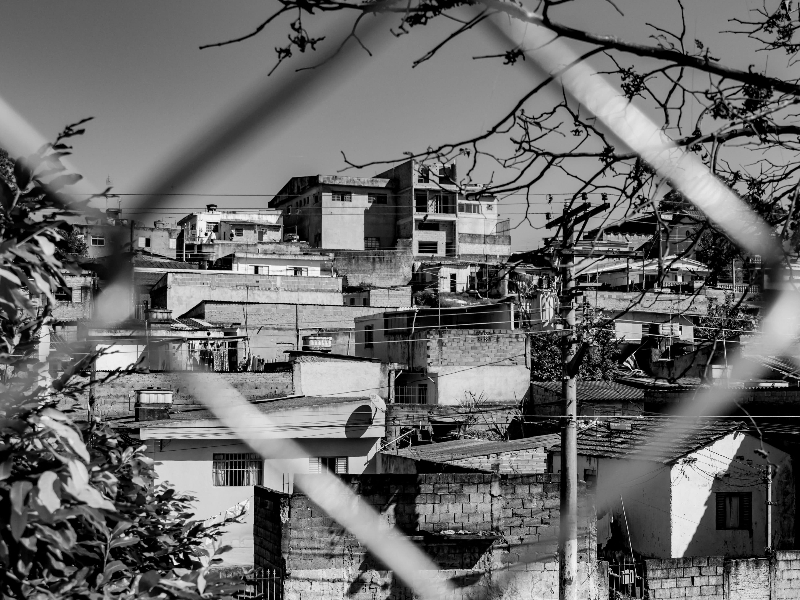

While attention in developed countries has been focused inward on the effects of the pandemic at home and the anticipated exit from lockdown, an economic and health disaster is emerging in developing counties that make up 85% of the world’s population.
Infection rates are now rising rapidly, overwhelming weak healthcare systems. Hot spots are appearing in the vast slums and favelas of sprawling cities from Sao Paolo to Capetown to Mumbai.
Even more worrying is the massive economic damage that has already been caused by both the pandemic and the widespread lockdowns that most developing countries have imposed. UN agencies estimate that 1.5 billion people – half the global labour force – will become unemployed, with 500 million thrust back into poverty while 250 million could face famine, reversing all the gains of the past two decades.
The collapse of the global economy will seriously damage our chances of recovery, hurting exports, disrupting supply chains and threatening the global financial system. The failure to contain the global spread of virus will also ensure that a reservoir of infection remains that could jump back to developed countries.
A triple crisis
Developing countries are facing a hammer blow to their economies on three fronts:
1) Domestic economies have been severely affected by the lockdown.
The majority – who work in the informal economy without regular jobs, employment rights or social benefits – have immediately lost their livelihoods, and there are no government safety nets to pay their wages or prevent destitution. The result has been a rapid fall in economic output and a massive dislocation as millions are forced to return to the countryside.
2) The collapse of world trade has accelerated this decline.
Without enough income from exports, many developing countries are facing a balance-of-payments crisis where they haven’t earned enough foreign currency to buy the essential imports needed to keep their economies running, such as fuel, food and medicine.
In many cases this also causes a sharp fall in the value of their currency, making foreign imports even more expensive. Most of the good jobs in developing countries are in the export industries, and from garment workers in Bangladesh, to copper miners in Zambia, just as in the 2008 crisis, they are being laid off in large numbers.
3) The economic collapse is threatening the world financial system.
Emerging market countries owe US$17 trillion (£14 trillion) to western investors, and many are already on the verge of default. Capital is fleeing developing countries at a faster rate than in the 2008 global financial crisis. The emerging sovereign debt crisis could paralyse foreign investment for decades and cause serious damage to global bond markets already reeling from the burden of corporate debt.
Global plan
What is most worrying is that the economic crisis is not confined to one country or one region, but is happening across the world. The simultaneous collapse means that the global economy is likely to shrink faster than at any time since World War II.
Developing countries need immediate help in the form of a global plan that would target four main fronts:
-
External funding to help pay for the massive economic stimulus packages needed to revive their economies, and reduce mass unemployment, poverty and starvation.
-
Help to stabilise their currencies. The IMF already has requests for such support from 100 developing countries, but needs to modify the strict conditions that normally apply to such loans.
-
A temporary halt to the collection of foreign-held private debt to ensure an equitable sharing of the burden, so that no small groups of bondholders can hold a country hostage, as is already happening in Argentina. Poorer countries, whose debts are mainly to western governments, need an immediate moratorium on such debt repayments.
-
Immediate assistance to strengthen health systems (especially public health) to limit the spread of pandemic further, ensure they can make use of the vaccine when it becomes available and prevent the renewed spread of other infectious diseases such as TB and malaria.
The cost of all these measures could be US$2.5 trillion – although this is just a fraction of the huge amount rich countries are already spending on reviving their own economies. But unlike the 2008 financial crisis, there seems to be little recognition in the west of the disastrous consequences for their own economies in the event of a global economic collapse.
Global institutions that could organise the response but need increased resources – the World Bank, the International Monetary Fund and the World Health Organisation – are being hobbled by western governments. This is especially the case with the US, which is either cutting off funding entirely or blocking others from raising additional funds. Meanwhile, barriers to world trade have been rising as countries scrabble over access to medical supplies and limit the export of food.
The unravelling of the world economy will dramatically increase inequality, both within and between countries. We need to build a more equitable model of globalisation, where the gains of trade are more evenly spread, where poor countries have a greater voice in running the world economy, and where global health and education concern us all.
The failure to do so will accelerate the decline in trust in governments both in developing and developed countries, and could encourage a further revival of xenophobia and extreme nationalism, with devastating consequences.







