


 Novartis M&A Strategy Faces Investor Scrutiny After Drug Setbacks
  New Mexico Measles Outbreak Cost Reached $5.4 Million, Study Finds
  HUTCHMED, AstraZeneca Seek FDA Approval for Lung Cancer Combo
  Eli Lilly Eyes AtaiBeckley Acquisition to Expand Psychedelic Mental Health Pipeline
  AstraZeneca, Bristol Myers Squibb Explore Mega Merger Worth Nearly $400 Billion
  Sanofi, Regeneron Expand Drug Partnership in $8 Billion Deal
  FDA Investigates New Cyclospora Outbreak as U.S. Cases Continue to Rise
  Novo Nordisk Raises 2025 Outlook Despite Wegovy Pill Miss and CagriSema Setback
  Moderna Wins FDA Approval for mFLUSIVA mRNA Flu Vaccine for Adults 50+
  3 clinical-grade skincare creams you really shouldn’t buy online
  Venezuela Earthquake Health Risks Rise as Disease Monitoring Intensifies
  SK Biopharmaceuticals Secures Global Rights to Biohaven Epilepsy Drug Opakalim
  U.S. Issues Cuba Health Alert as Illnesses Rise
  Hims & Hers Shares Fall as GLP-1 Costs Widen Q2 Loss
  New York Declares Measles Disaster Emergency as Cases Surge


 Add as a preferred source on Google
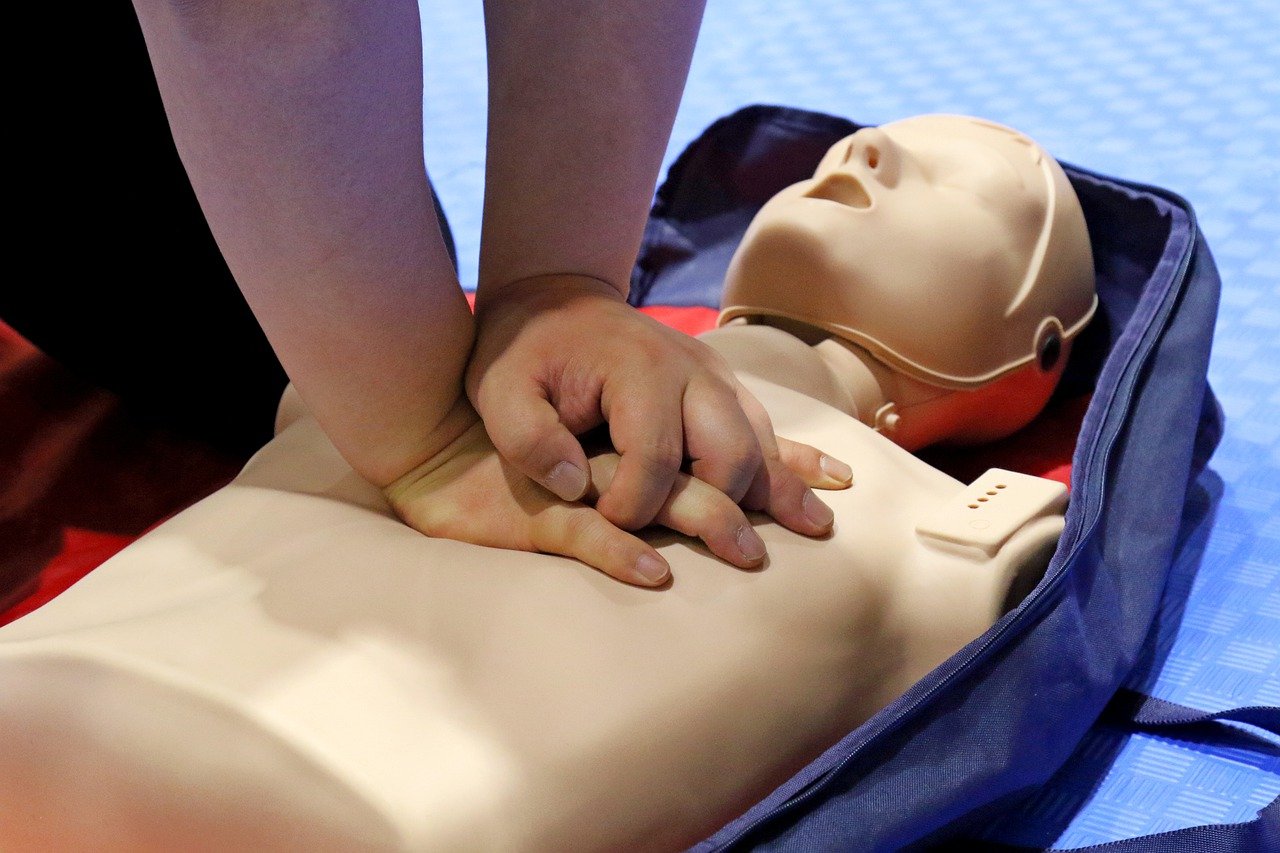


Every day, in every hospital, doctors and nurses respond to “code blue” situations. This is an emergency alert for when a patient’s heart stops beating, called a cardiac arrest.
To save the patient’s life, medical and nursing staff will often administer cardiopulmonary resuscitation (CPR). CPR involves repeated chest compressions, artificial breathing, use of medications and an electric shock to jump-start the heart (defibrillation).
The aim is to restore a person’s heartbeat and blood pressure to normal, and in turn to restore life. CPR must be initiated quickly as brain cells rapidly die without blood and oxygen.
Patients admitted to hospital are often surprised when their doctors ask: “If your heart were to stop beating, would you want CPR or not?” But in every code blue doctors need answers to the same two questions. First, whether the clinical team considers CPR would be an effective treatment; and second, whether the patient wants CPR.
First response
If a person has a cardiac arrest outside hospital, it is usual, and expected, that bystanders begin CPR, use a defibrillator if available, and call an ambulance.
CPR is taught in first aid courses and defibrillators are widely available in public places such as airports and sports grounds. Time is of the essence, so having trained community members is important.
In a hospital setting, though, the decision to administer CPR is more nuanced. It’s built on a discussion around the patient’s medical condition and, importantly, takes into account their wishes.
Clinicians in Australia have provided examples of some different perspectives on this discussion:
Some of [the patients’ relatives] are absolutely aghast that we might even suggest not to resuscitate […] they bring their loved one into hospital to get better.
A lot of people […] just say, ‘No, I’ve had a good innings, just let me die.’ […] Often I find it’s families who have the objection.
A bit of background
CPR was developed and initially applied to resuscitate people with specific medical conditions such as an acute myocardial infarction (a heart attack).
When a cardiac arrest occurs because of a heart attack or other heart condition, there’s a reasonable chance CPR will re-start the heart and save the person’s life. A recent Australian study looking at people who had a cardiac arrest in hospital showed 41.5% of people who were admitted due to heart problems survived with good neurological function.
Expanding the use of CPR more broadly to every disease that causes the heart to stop beating seems like common sense. But this is not necessarily the case.
For older hospitalised patients (aged over 67 years in this research) with chronic diseases — such as heart failure, kidney disease, cancer or diabetes — their chance of surviving a cardiac arrest and leaving the hospital alive is around 11-15%. Chances of survival are slightly better in older patients without a chronic illness (17%).
For patients in the late stage of their life, due to advanced illness or severe frailty, their chance of survival is almost zero.
CPR is not always an appropriate treatment. The decision to perform it needs to be made carefully, especially when it’s highly unlikely to restore a patient’s heartbeat.
Outcomes after CPR
Unlike the popular media portrayal of CPR, not every survivor of cardiac arrest returns to their previous level of functioning.
Patients may survive but with some brain damage. This could range from minor damage with trivial functional effects such as being forgetful; to moderate damage with serious functional effects such as a change in personality and needing help with everyday activities; to severe damage with catastrophic functional impairment eventually leading to death.
CPR may revive a heart that has stopped beating, but it doesn’t always restore a person back to a life they had or want. It may also do harm by reviving a person who does not want to continue living and would have preferred their disease to follow its natural course. When CPR is performed on a patient who doesn’t want it, it disrupts a gentler dying process, transforming it into an impersonal medical event.
When a cardiac arrest happens, there’s no opportunity to ask the patient what they want at that time. In hospital, it’s routine to provide CPR for patients in cardiac arrest unless there is a medical order to withhold it, or if the patient has completed an advance care directive refusing CPR. This is often referred to as a “do not rescusitate” order.
Talk about it
Avoiding harm from inappropriate or unwanted CPR requires planning ahead and being prepared to have a difficult conversation.
We have launched an animated film, The Inappropriate Question, to help people better understand why these conversations are important.
Discussing CPR is upsetting for some patients, because raising the possibility of death is confronting. It’s also harder to discuss this when a person has just been admitted to hospital for treatment and is expecting to recover.
But patients have the right, and usually want, to be involved in their own treatment decisions. The challenge is how we reconcile this wanting to know and wanting to be involved in decisions, with not wanting to be upset by knowing.
CPR is an important treatment. When used appropriately, it saves lives. But when applied injudiciously it can cause distress and avoidable harm.
Advance care planning is one way to start thinking about this long before a person is seriously ill. Particularly if you’re older and have chronic medical conditions, have that discussion with yourself, your loved ones and your medical team.







