


 GSK Unveils $2.52 Billion Cost-Cutting Plan to Accelerate Drug Pipeline
  U.S. Issues Cuba Health Alert as Illnesses Rise
  RFK Jr. Launches Nationwide Vaccine Safety Review
  AstraZeneca Q2 Earnings Beat Forecasts as Oncology Growth Supports 2026 Outlook
  France to Release 10 Million Barrels of Diesel to Ease Fuel Prices
  Saudi Arabia Probes Flydubai Cockpit Attack
  US Treasury Drops Crypto Wallet Tracking Plan
  UK Sanctions Crypto Exchanges Linked to Russia
  SK Biopharmaceuticals Secures Global Rights to Biohaven Epilepsy Drug Opakalim
  San Francisco Halts New Data Center Construction With 45-Day Moratorium
  Moderna Short Sellers Hit With $4.8 Billion Loss as Stock Soars
  Trump Administration Bars U.S. Travelers From Congo Flights Amid Ebola Outbreak
  Novartis Shares Plunge After Muscle Drug Fails Phase III Trial
  3 clinical-grade skincare creams you really shouldn’t buy online
  Fairshake Backs 32 Pro-Crypto House Candidates
  US Waives $320M Egypt Military Aid Conditions After Iran War Role
  Trump Sanctions International Criminal Court, Sparking EU Backlash


 Add as a preferred source on Google
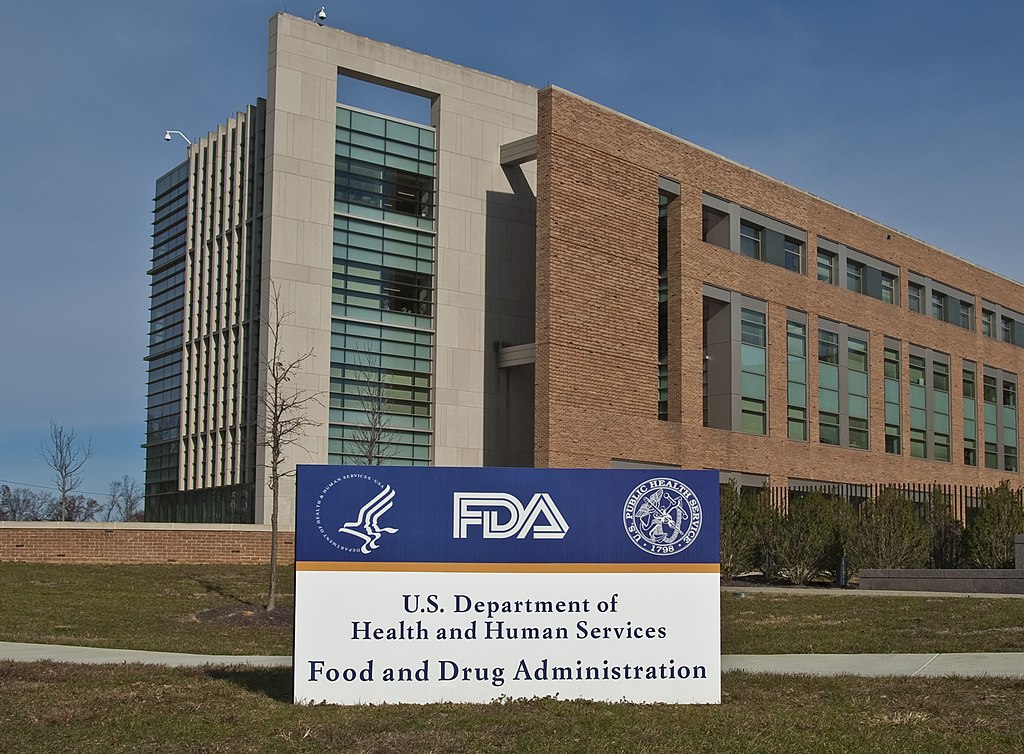
The U.S. Food and Drug Administration (FDA) has launched an investigation into a new cyclospora outbreak after identifying 72 illnesses linked to an unknown source, adding to the growing number of infections reported across the Midwest.
In an announcement on Wednesday, the FDA said it has begun a traceback investigation to determine the origin of the latest cluster of cyclosporiasis cases. The illness is caused by the Cyclospora parasite and is typically contracted through contaminated food or water. Common symptoms include diarrhea, stomach cramps, nausea, fatigue, and other gastrointestinal issues.
The latest investigation comes as the Centers for Disease Control and Prevention (CDC) continues to monitor a much larger nationwide outbreak. Since May 1, the agency has confirmed 4,173 domestically acquired cyclosporiasis cases through laboratory testing and is reviewing more than 7,400 additional reported infections awaiting confirmation. Many of the suspected cases have been concentrated in Michigan and Ohio.
Michigan has reported 7,171 cases so far this year, while Ohio has also experienced a significant increase in infections, highlighting the scale of the public health concern.
Federal regulators have linked the broader Midwest outbreak—the largest U.S. foodborne illness event in recent years—to a Taylor Farms processing facility in Mexico. On July 17, Taylor Farms recalled iceberg lettuce sourced from central Mexico that had been distributed to grocery stores, restaurants, and food service providers.
Mexican officials, however, said earlier this week that no evidence currently proves lettuce grown in the country was responsible for the outbreak.
The outbreak has also affected the restaurant industry. Shares of Yum Brands fell nearly 10% last week after reports connected Taco Bell to the spread of the illness. Analysts believe the impact on the chain's long-term sales will likely be limited. Taco Bell has since stopped using lettuce supplied by Taylor Farms as a precaution.
Health officials note that Cyclospora infections typically increase during the spring and summer months, when warmer weather creates favorable conditions for the parasite. These seasonal spikes often trigger multistate investigations as authorities work to identify contaminated food sources and prevent further infections.







