The U.S. dollar gained ground on Thursday, rising 0.3% to 99.90 on the US Dollar Index, as conflicting signals surrounding U.S.-Iran peace negotiations renewed demand for safe-haven assets. Investors looking for stability amid geopolitical uncertainty continued to favor the greenback, putting it on track for a monthly gain of over 2%.
Mixed messages emerged from Washington and Tehran regarding a 15-point peace proposal. While Iran publicly rejected the terms, President Trump insisted that negotiations were actively progressing, stating that Iranian negotiators were eager to reach a deal. In a later social media update, Trump confirmed he was extending the suspension of U.S. strikes on Iranian energy infrastructure by 10 days at Tehran's request, signaling that dialogue, however fragile, remains open.
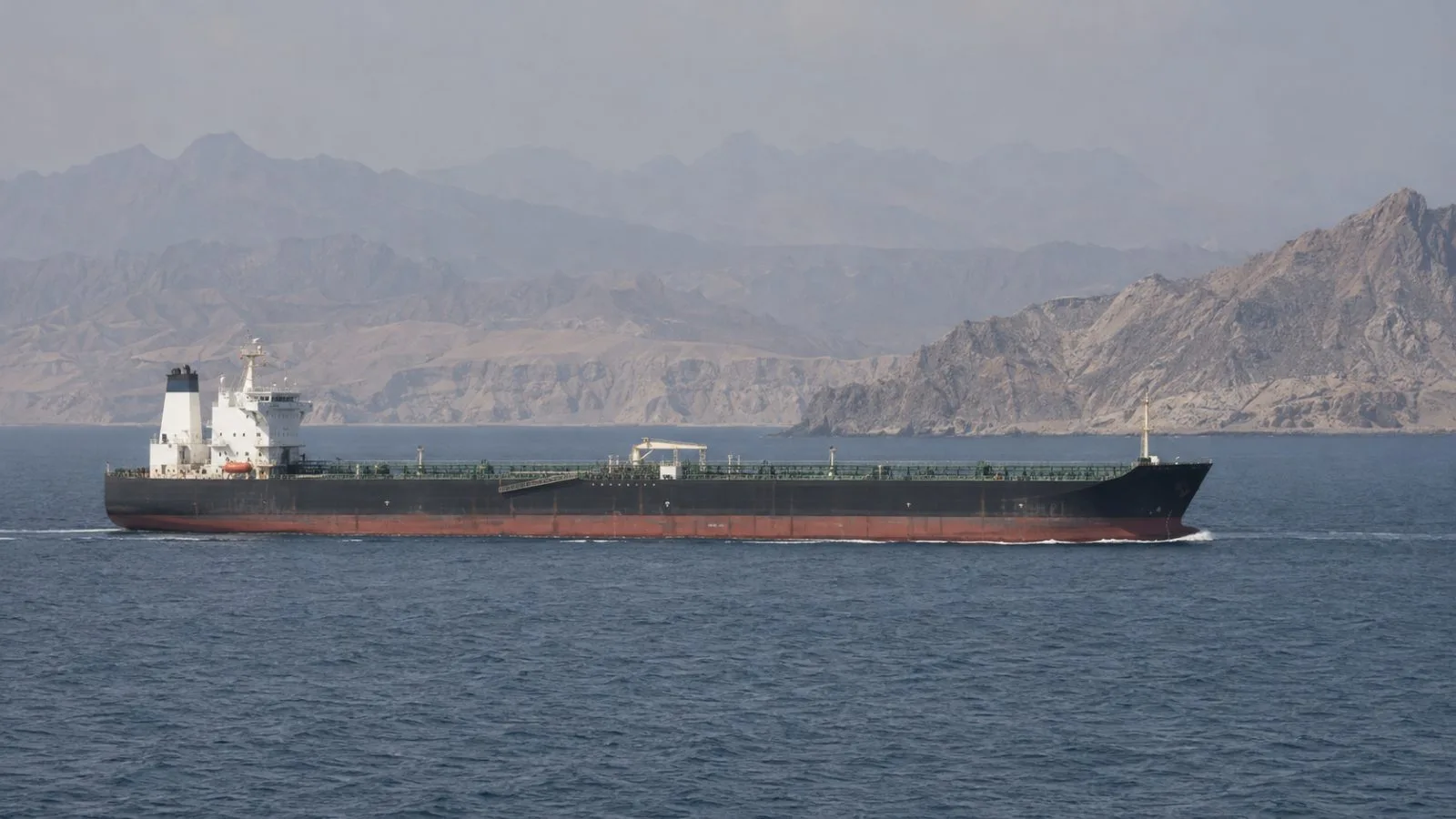
Oil markets remained elevated, with crude prices hovering above the $100-per-barrel mark. Though prices have eased from a near-$120 peak earlier in March, they remain significantly higher than pre-conflict levels from late February. A key concern continues to be the Strait of Hormuz, which handles roughly one-fifth of global oil and natural gas shipments and has remained effectively closed for weeks due to the threat of Iranian naval attacks. Israeli officials reported that a senior Iranian naval commander was killed in overnight strikes, further complicating the situation.
The ongoing energy price shock is stoking inflation fears worldwide. Analysts now widely expect central banks, including the U.S. Federal Reserve, to respond with interest rate hikes in the coming months. Europe is already grappling with surging gas prices, while Asian economies are feeling acute pressure from supply disruptions tied to the strait closure.
Currency strategists at ING noted that markets would need clearer signs of de-escalation before the dollar sees any meaningful decline. Meanwhile, the euro, British pound, and Japanese yen all saw limited movement against the dollar.