The U.S. dollar is on track for its strongest monthly performance since July, emerging as the dominant safe-haven asset amid escalating Middle East tensions that have sent oil prices soaring past $100 per barrel and triggered widespread risk aversion across global financial markets.
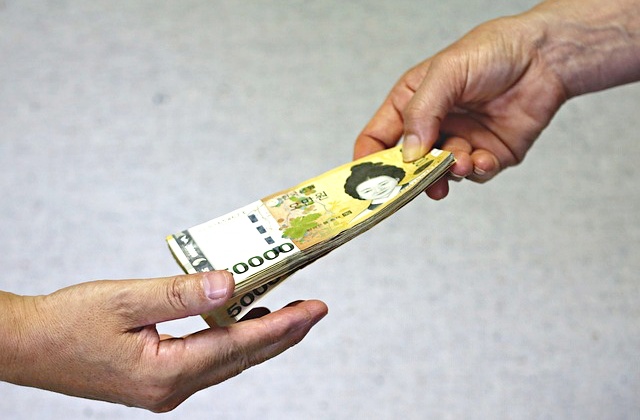
As conflict disrupts regional stability, investors have increasingly flocked to the greenback, driving it higher against nearly every major currency. The dollar climbed roughly 1% against the South Korean won, pushing the exchange rate to 1,534 — levels not seen since the aftermath of the 1997–98 Asian financial crisis and the 2008 global financial meltdown. The euro remained pinned below $1.15, while the British pound, Australian dollar, and New Zealand dollar all hovered near multi-month lows.
A Wall Street Journal report suggesting President Trump may be open to ending strikes on Iran without forcing access through the Strait of Hormuz offered minimal relief to markets. Oil prices dipped slightly on the news, but the dollar barely moved, signaling how entrenched bullish sentiment has become. The yen, despite verbal intervention warnings from Tokyo officials, weakened to its lowest point since July 2024, trading around 159.52 per dollar.
Several factors are fueling dollar strength: America's position as a net energy exporter insulates it from oil price shocks, rising U.S. Treasury yields are attracting capital inflows, and a broad flight to cash has pressured riskier assets worldwide. Traditional safe havens like gold, the Swiss franc, and Japanese yen have all declined through March as the energy shock exposed underlying vulnerabilities.
The dollar index climbed nearly 2.9% this month, touching 100.61 — its highest level since May of the previous year. Looking ahead, traders are watching U.S. labor data due on Good Friday and European inflation figures, both of which could introduce fresh volatility into currency markets if results surprise expectations.