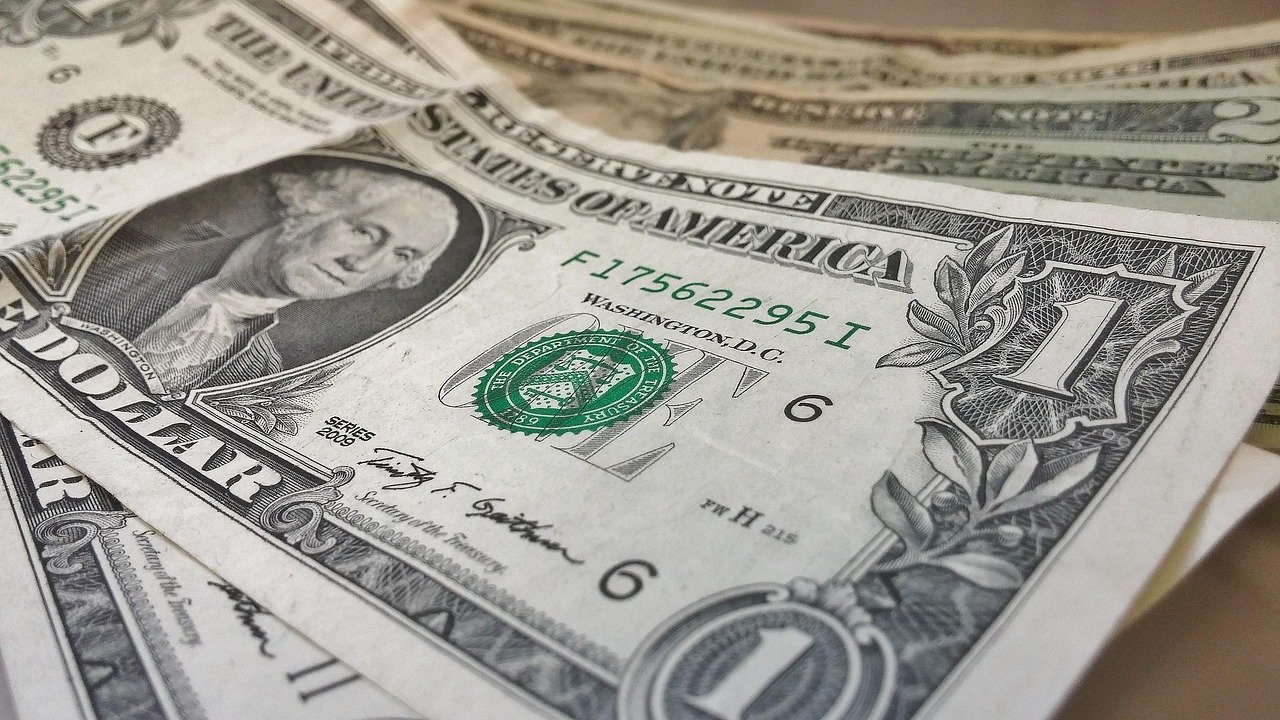
The U.S. dollar softened on Friday as reports of potential peace talks between the United States and Iran lifted market sentiment, though it still remained on track for its first weekly gain in nearly a month. Ongoing uncertainty in the Middle East continues to drive cautious investor behavior, supporting the dollar’s safe-haven appeal.
During early trading, the dollar held steady before declining later in the European session, falling 0.23% to 98.595. Oil markets also reacted to geopolitical developments, with Brent crude futures turning negative after reports that Iran’s Foreign Minister Abbas Araqchi may travel to Pakistan for discussions that could pave the way for negotiations with the U.S.
Despite a temporary ceasefire extension between Lebanon and Israel, tensions remain elevated. Iran recently demonstrated its strategic control over the Strait of Hormuz, raising concerns about global shipping routes and keeping oil prices volatile. These developments continue to influence currency markets and investor sentiment.
The euro rose 0.3% to $1.1172, while the British pound gained 0.2% despite stronger-than-expected UK retail sales data having limited impact. Analysts note that markets are struggling with the lack of clear progress or timelines in peace negotiations, adding to overall uncertainty.
Meanwhile, the Japanese yen strengthened by 0.2% to 159.4 per dollar after several days of losses. Commodity-linked currencies also saw gains, with the Australian dollar rising to $0.7143 and the New Zealand dollar reaching $0.5871. Bitcoin remained stable at around $78,260.
Investors are now focusing on a crucial week ahead, with major central banks—including the Federal Reserve, European Central Bank, Bank of England, and Bank of Japan—set to announce policy decisions. Market expectations suggest a cautious “wait-and-see” approach, as policymakers assess the impact of rising energy prices and inflation risks linked to geopolitical tensions.
Overall, global markets remain highly sensitive to both geopolitical developments and monetary policy signals, making the outlook for currencies and commodities increasingly complex.