


 Iran Faces Rising Pressure as U.S. Builds Military Presence
  Marco Rubio to Visit Iceland, Greece and Portugal
  TRUMP Memecoin Launches New Dinner Contest
  Trump Says Iran War Could End Soon After Midterms
  Iran Plans Stronger Response if US Attacks Resume
  Israeli Settler Attack in West Bank Kills Palestinian
  South Korea Warns Ukraine Over North Korean POW Dispute
  Tsai Ing-wen to Visit US for Stanford Security Conference
  Lula Leads Flavio Bolsonaro 48%-45% in Datafolha Poll
  Flydubai Co-Pilot Tried to Crash Israel-Bound Jet, Netanyahu Says
  Trump Heads to Ohio to Boost Husted in Tight Senate Race
  Ukraine Deploys FP-7 Ballistic Missile in Combat for First Time
  Japan Protests to US After Marine Arrested in Okinawa Murder Case
  Netanyahu Vows Probe Into Foiled Flydubai Crash Attempt
  Merz to Meet ECB Frontrunners Knot and De Cos
  Russia Strikes Kyiv Bridge as Ukraine Infrastructure Attacks Escalate


 Add as a preferred source on Google
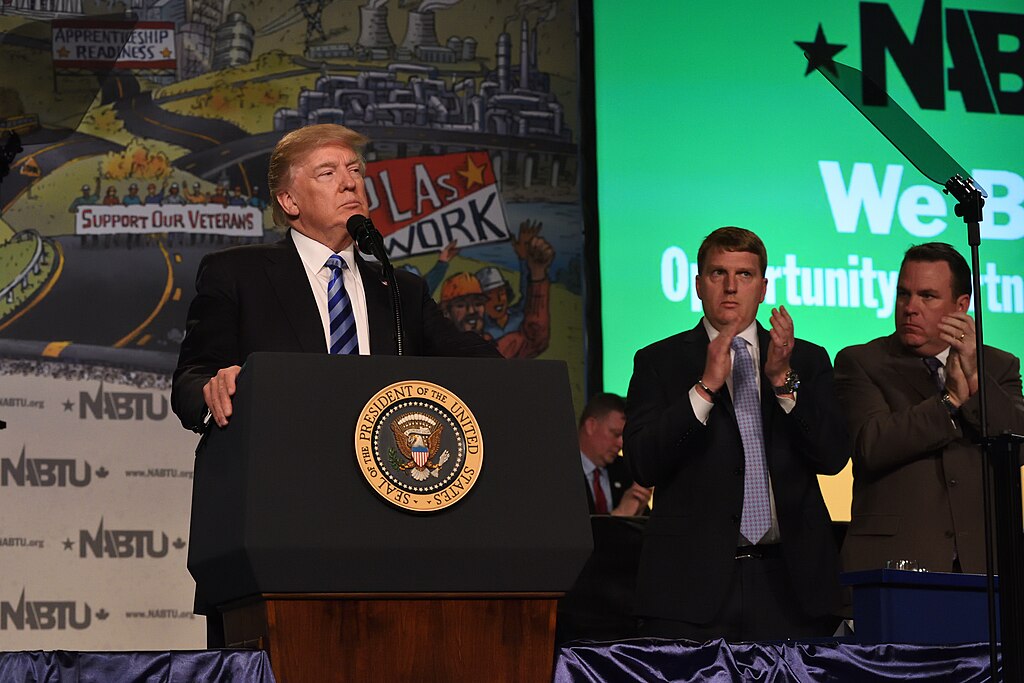
In a bold policy announcement, former President Donald Trump unveiled his latest plan to address crime related to illegal immigration and border security. Speaking at a press conference at his Mar-a-Lago residence, Trump vowed to seize assets from criminal organizations, including cartels and migrant gangs, to establish a compensation fund specifically for U.S. victims affected by migrant-related crimes. Trump declared, “We are going to take every last dollar from these cartels and gangs and use it to help the families who’ve suffered because of their criminal activity.”
The announcement comes as Trump intensifies his campaign rhetoric, particularly on issues of crime and border security, which have consistently ranked as focal points for his supporters. His pledge to target cartel finances has stirred discussion among experts and politicians alike, particularly as the former president emphasized that his administration would pursue this policy aggressively.
"Under my administration, we will not only secure our border but also seize the resources of those who profit from lawlessness and violence," Trump told supporters. "This fund will be a direct payment to families whose lives have been forever altered by the horrific crimes of these criminals who’ve been allowed to cross into our country unchecked."
This new proposal would involve coordinated efforts between federal law enforcement agencies, including the Department of Justice, to intercept financial flows of organized crime syndicates operating in Mexico and other parts of Latin America. Trump explained that the proposed compensation fund would be directed toward providing relief for families who have lost loved ones or suffered personal injury and property damage due to criminal activities linked to these groups. According to Trump, the administration would work to pass legislation empowering authorities to seize these assets upon arrival in the United States or through international cooperation.
Trump’s proposed approach to address crime linked to illegal immigration has ignited a debate among policymakers, with supporters lauding it as a proactive measure to support victims. Critics, however, argue that the plan could face significant challenges, especially in coordinating international asset seizures and creating a legal framework for the fund. Legal experts have also pointed out potential diplomatic challenges in collaborating with foreign governments to seize assets associated with their citizens.
“Going after the money is one thing, but managing international and domestic cooperation on this scale is a formidable task,” commented immigration analyst Jeremy Lock. “However, Trump’s proposal resonates with many who feel previous administrations have not gone far enough to address the financial backbones of these criminal organizations.”
Despite these concerns, Trump supporters view the proposal as another example of his hardline stance on crime and immigration. For many, it echoes Trump’s promises from his 2016 campaign, which heavily focused on border security and reducing immigration-related crime.
Trump’s critics, on the other hand, argue that his rhetoric could heighten tensions at the border without necessarily producing effective results. Some advocacy groups have also voiced concerns that focusing on migrant-related crime could distract from broader efforts to address crime across the country.
As Trump’s campaign continues to take shape, his renewed pledge to seize cartel assets has already garnered national attention. Whether the proposal will resonate broadly remains to be seen, but Trump’s latest policy announcement has undoubtedly reignited one of the most polarizing topics in American politics today.







